

Mastering the Wardrobe: Why Folding Matters
Managing an Indian household often feels like a balancing act, especially when it involves shared wardrobes and the ever-growing collection of ethnic wear, daily formals, and casuals. We have all experienced the frustration of a messy almirah where pulling out one single kurta leads to a landslide of t-shirts. Learning how to fold every type of clothing is not just about aesthetics; it is about reclaiming your time and making your clothes last longer. In a country where humidity and dust are constant battles, a well-folded wardrobe protects your fabric from unnecessary wrinkles and damage.
When you know how to fold every type of garment properly, you maximize the limited shelf space available in standard Indian cupboards. Whether you are dealing with heavy silk sarees, delicate dupattas, or bulky denim, the right technique changes everything. This guide provides a comprehensive breakdown of folding methods tailored for the modern Indian home, ensuring that your clothes stay fresh, visible, and ready to wear at a moment notice.
The Golden Rule of Folding: The Flat Surface
Before diving into specific items, the most important tip is to always use a clean, flat surface. Folding on the bed is common, but a dining table or a clean floor mat provides the tension needed to get crisp edges. Smooth out every garment with your hands to remove micro-wrinkles before you start the first fold. This small step acts like a manual iron, keeping the fabric fibers aligned.
How to Fold Every Type of Top: T-shirts and Kurtas
T-shirts are the most common items in our drawers. To fold a t-shirt efficiently, lay it face down. Fold one side toward the center, then fold the sleeve back. Repeat on the other side so you have a long rectangle. From the top, fold the shirt into halves or thirds depending on your shelf height. For those using drawers, the vertical folding method (where the shirt stands upright) is a game-changer as it allows you to see every color without digging through a stack.
For Kurtas, the process is slightly different due to the length and side slits. Lay the kurta flat and fold the sides inward, including the sleeves, to create a long, narrow rectangle. Because kurtas are longer than t-shirts, you should fold them into quarters. Start by folding the bottom hem up to the waist, then fold again until it forms a neat square. This prevents the side slits from crumpling or tearing over time.
Formal Shirts and Office Wear
In India, formal cotton shirts are a staple for office goers. Folding these requires care to keep the collar stiff. Button the shirt all the way to the top. Lay it face down and fold the sleeves across the back in a straight line. Bring the sides in to the center, then fold the bottom half up once. This classic boutique fold is perfect for stacking and ensures that the collar remains protected under the weight of other shirts.
Perfecting the Bottoms: Jeans, Trousers, and Leggings
Bottoms take up the most weight in an Indian almirah. Jeans are durable but bulky. To save space, fold them in half lengthwise, tucking the crotch area in to form a straight line. Then, fold them into thirds. If you are traveling or have deep shelves, rolling your jeans is an excellent alternative that prevents deep creases and saves significant space.
For formal trousers, always follow the natural crease of the leg. Hold them by the hem and let the creases fall into place. Fold them in half and then in half again. For leggings and gym wear, which are often made of slippery synthetic fabrics, the best method is the 'tuck and roll.' Fold them in half, roll tightly from the waistband, and tuck the end into the ankle opening to prevent them from unravelling.
The Art of Folding Indian Ethnic Wear
Ethnic wear requires a different level of respect due to the intricate embroidery, zari work, and delicate fabrics like chiffon or organza. Understanding how to fold every type of ethnic garment is crucial for preservation.
Sarees: Protection and Precision
A saree is six to nine yards of fabric that can easily become a tangled mess. For daily wear cotton or georgette sarees, a standard rectangular fold works best. Fold the saree in half repeatedly until it matches the width of your hanger or shelf. However, for heavy silk or Banarasi sarees, avoid folding the zari work directly against itself as it can blacken or break. Use a sheet of acid-free tissue paper or a thin cotton muslin cloth between the folds. Change the folding lines every few months to prevent the silk from tearing at the creases.
Dupattas and Stoles
Dupattas often get neglected and thrown over a chair. To organize them, fold them into long strips and then roll them. You can store these rolls in a basket or a shoe box. This not only keeps them wrinkle-free but also makes it easy to pick the right color to match your outfit in the morning rush.
Managing Intimates and Small Items
Small items like socks and undergarments often create the most visual clutter. For socks, stop the habit of 'balling' them up by stretching the elastic. Instead, lay one sock over the other and fold them into thirds. For undergarments, fold the sides into the center and roll from the bottom up. Using small drawer dividers or even repurposed cardboard boxes helps keep these small items separated and easy to find.
Folding Bed Linens and Towels
Linens are the largest items you will deal with. In most Indian homes, we use flat sheets. To fold a flat sheet, you need a partner or a very wide table. Fold it into a manageable rectangle. A great trick is to store the folded bedsheet inside one of its matching pillowcases. This keeps the entire set together so you never have to hunt for a missing pillowcase again.
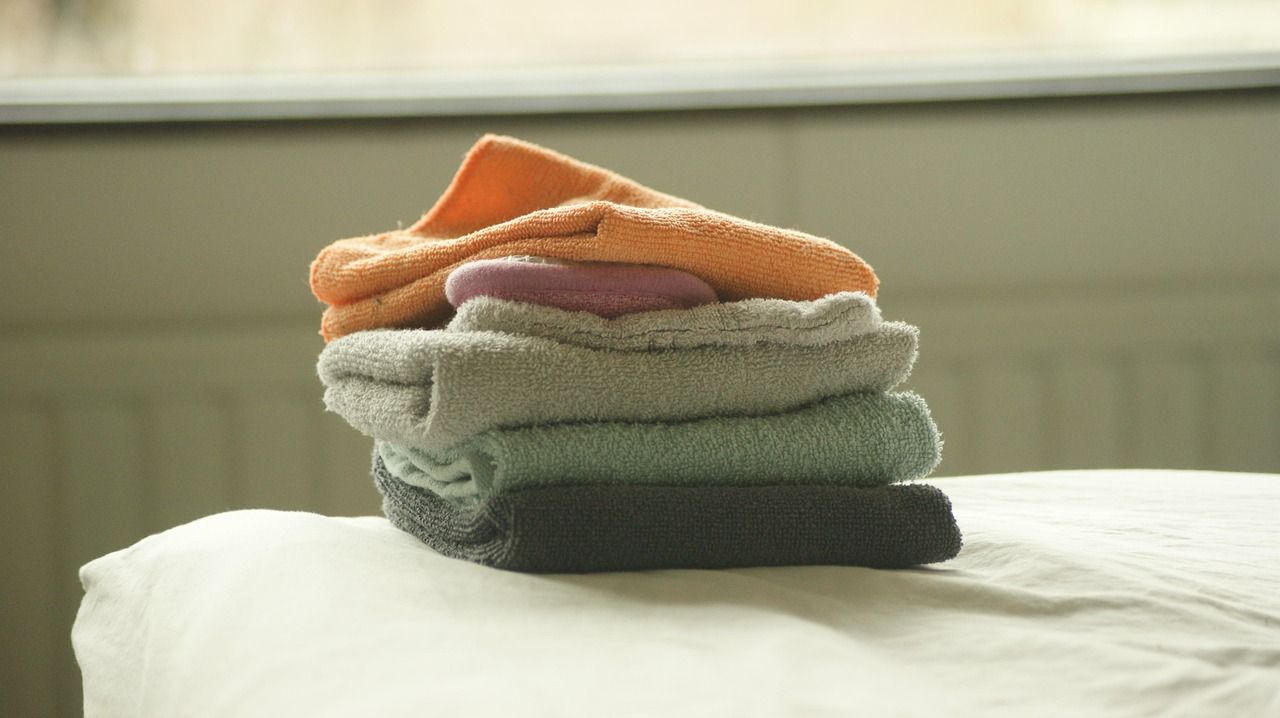
For towels, use the hotel-style fold. Fold the towel in half lengthwise, then fold the ends into the middle, and finally fold it in half again. This creates a thick, plush look that stands up well on bathroom shelves and resists falling over when you grab one from the bottom.
Maximizing Space in Small Indian Almirahs
Most Indian wardrobes are vertical and deep, which leads to the 'hidden clothes' syndrome. To combat this, use the depth of your shelf by placing seasonal items at the very back and daily essentials at the front. Use stackable bins for items that don't stay folded well, like heavy winter sweaters or shawls. Remember, the goal of learning how to fold every type of item is to ensure that everything has a home and everything is visible.
Conclusion
Mastering the art of folding is a simple lifestyle change that yields massive rewards. It reduces the time you spend ironing, protects your financial investment in your wardrobe, and brings a sense of calm to your daily routine. By applying these specific techniques for your kurtas, sarees, and daily wear, you can transform a chaotic cupboard into a functional, organized space. Consistency is key. Once you start folding with intention, you will find that maintaining a tidy home becomes second nature. Start today by reorganizing just one shelf, and soon you will be a master of your entire wardrobe.
How do I prevent deep creases in my cotton clothes?
The best way to prevent deep creases is to fold the garment while it is still slightly warm from the sun or the iron. Smooth the fabric with your palms as you fold to press out any air and minor wrinkles.
Is rolling clothes better than folding?
Rolling is ideal for casual wear like t-shirts, jeans, and gym clothes as it saves more space and prevents wrinkles. However, for formal wear like shirts and delicate ethnic wear like sarees, traditional flat folding is better to maintain the garment structure.
How should I store heavy embroidered lehengas?
Heavy lehengas should ideally be folded with the embroidery facing inward and a layer of soft muslin cloth or tissue paper protecting the work. Store them in a breathable fabric bag rather than plastic to prevent moisture buildup.
How often should I refold my stored sarees?
For expensive silk sarees that are not used frequently, you should take them out and refold them every 3 to 4 months. This changes the pressure points on the fabric and prevents the silk from splitting along the fold lines.


