

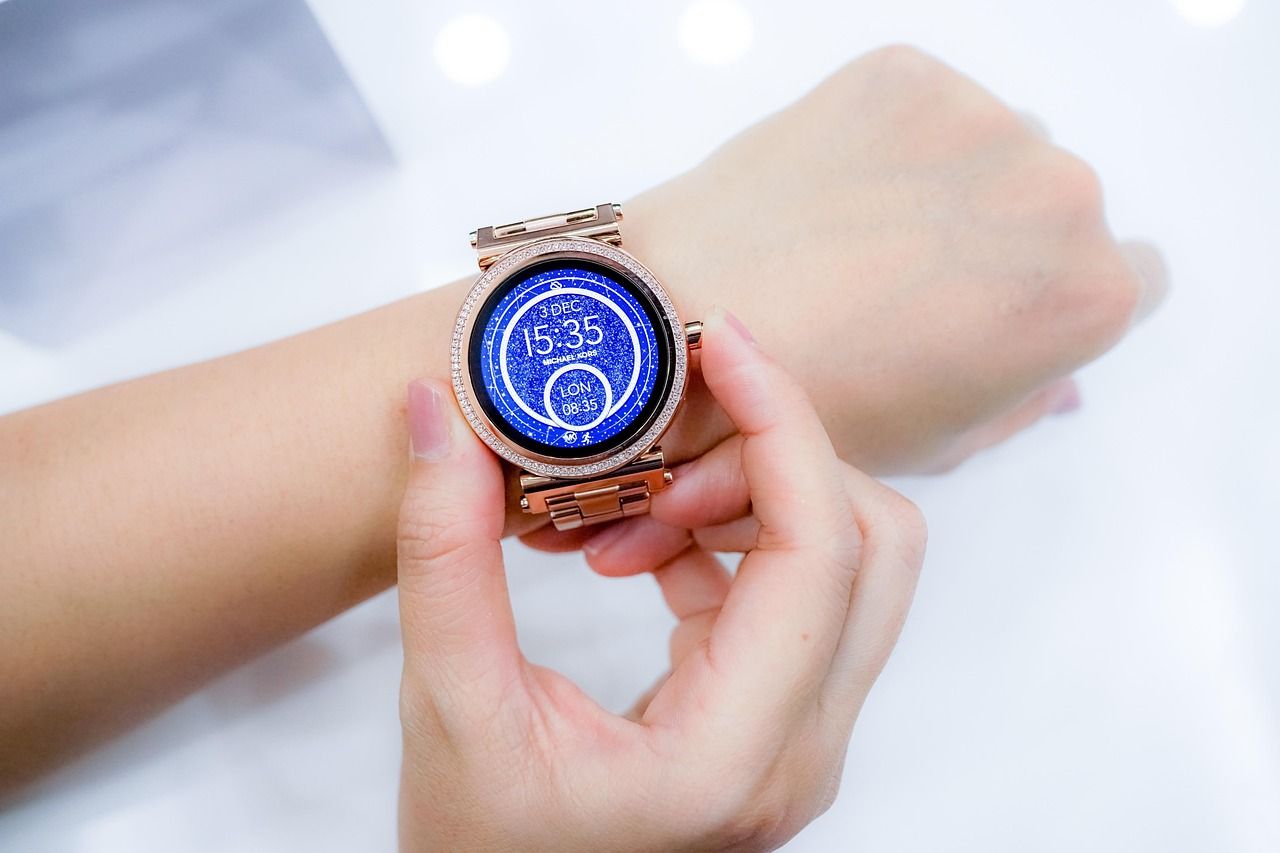
Introduction to the Smart Revolution in India
In the last few years, the Indian tech landscape has undergone a massive transformation. From bustling metro cities like Mumbai and Bangalore to smaller towns, smart gadgets have become an essential part of our daily routines. Whether you have just purchased a sleek new wearable or a large-screen television, understanding how to use your smart device effectively can significantly enhance your lifestyle. Technology is no longer just about luxury; it is about convenience, health, and connectivity.
Many people buy these devices but only use a fraction of their capabilities. This guide is designed to walk you through the essential steps and advanced tips on how to use your smart electronics to their full potential. We will focus on the two most popular categories in India: smartwatches and smart TVs, ensuring you get the best value for your hard-earned money.
Setting Up Your Smartwatch for the First Time
Unboxing and Charging
The first step in learning how to use your smart wearable is proper initialization. Most budget and mid-range brands popular in India, such as Noise, Fire-Boltt, and boAt, require you to charge the device to 100 percent before the first use. Use the magnetic charging dock or cable provided in the box. Avoid using high-wattage fast chargers meant for smartphones, as these can sometimes degrade the smaller batteries found in smartwatches. A standard 5V/1A adapter or a laptop USB port is usually the safest bet.
Pairing with the Companion App
Your smartwatch is only as good as the app it connects to. To understand how to use your smart device efficiently, you must download the official companion app from the Google Play Store or Apple App Store. Common apps include Da Fit, NoiseFit, or the boAt Crest app. Once installed, turn on your phone Bluetooth and Location services. Follow the on-screen instructions to pair the device. Once paired, your watch will automatically sync the date and time, which is crucial for accurate data logging.
Mastering Daily Features and Notifications
Managing WhatsApp and Call Alerts
In India, WhatsApp is the primary mode of communication for both personal and professional use. One of the most practical ways to use your smart watch is to enable notifications for this app. Go to the notification settings in your companion app and toggle on WhatsApp, SMS, and incoming calls. This allows you to stay updated while traveling in a crowded metro or during a busy meeting without having to pull out your phone. For watches with Bluetooth calling features, you can even answer calls directly from your wrist, which is incredibly useful when your hands are busy.
Customizing Watch Faces
Personalization is a big part of the user experience. Most smart devices offer a library of cloud-based watch faces. You can choose a formal analog look for office hours or a data-heavy digital face for your workout sessions. Many Indian users prefer setting their own photos as wallpapers; this can usually be done under the DIY or Custom Watch Face section of the app.
Health and Fitness Tracking in the Indian Context
Monitoring Steps and Physical Activity
Health consciousness is on the rise across the country. To use your smart device as a fitness coach, you should start by setting a daily step goal. While the global standard is 10,000 steps, you can start with 6,000 and gradually increase it. The pedometer tracks your movement throughout the day, whether you are walking to the local grocery store or taking a morning stroll in the park. These devices are also capable of tracking specific sports like cricket, badminton, and yoga, which are very popular in India.
Heart Rate and SpO2 Monitoring
Since the pandemic, monitoring blood oxygen levels (SpO2) and heart rate has become a priority for many families. Learning how to use your smart watch for health monitoring involves understanding that these are not medical-grade devices, but they provide excellent baseline data. Ensure the watch is snug on your wrist, about one finger-width away from the wrist bone, to get the most accurate readings. Check your heart rate during different times of the day to understand your resting heart rate and how your body reacts to stress or physical exertion.
Optimizing Your Smart TV Experience
Connecting to High-Speed Internet
If you are looking at how to use your smart TV, the first requirement is a stable internet connection. Most Indian households now have fiber broadband. Connect your TV to the 5GHz Wi-Fi band if your router supports it, as this offers faster speeds for streaming high-definition content on platforms like JioCinema, Disney+ Hotstar, and Netflix. If your Wi-Fi signal is weak in the living room, consider using an Ethernet cable for a lag-free experience.
Setting Up Local OTT Apps
The beauty of a smart TV in India is the access to local content. Ensure you sign in to your accounts on apps that provide regional movies and cricket matches. Use the Google Play Store on your Android TV to download apps like Zee5 or SonyLIV. If your TV uses a different operating system like Tizen or webOS, look for the built-in app store to find these services.
Advanced Tips for Power Users
Using Voice Assistants
Whether it is Google Assistant or Alexa, using voice commands is a game-changer. You can ask your smart device to set reminders for bill payments, check the weather in Delhi, or even control other smart home devices like bulbs and plugs. Just press the mic button on your remote or long-press the side button on your watch to start giving commands in English or even Hinglish in some cases.
Screen Mirroring and Casting
If you want to show photos from a recent wedding or a trip to your family, learn how to use your smart TV casting feature. Use the Cast icon on your smartphone or the Miracast feature to mirror your phone screen to the big screen. This works seamlessly with YouTube and Google Photos, making it easy to share memories with the whole family sitting together.
Battery Maintenance and Device Longevity
To ensure your gadgets last for years, you must follow some basic maintenance rules. For smartwatches, try not to let the battery drop to zero percent frequently. Charging it when it hits 20 percent is ideal. For smart TVs, always use a voltage stabilizer or a spike guard, as power fluctuations are common in many parts of India and can damage sensitive electronic circuits. Keep your software updated to the latest version to enjoy new features and security patches.
Conclusion
Knowing how to use your smart devices correctly transforms them from simple screens into life-enhancing tools. By taking the time to set up notifications, track your health metrics, and explore the vast world of OTT content and voice assistants, you can make your daily life much more organized and entertaining. Technology is meant to serve you, so don't be afraid to dive into the settings and customize your experience. With the right configuration, your smart gadgets will become your most reliable companions in this fast-paced digital era.
How do I connect my smart watch to my phone?
To connect your smart watch, download the specific companion app mentioned in your user manual from the Play Store or App Store. Turn on Bluetooth on your phone, open the app, and select the Add Device option to pair it with your watch.
Can I use my smart TV without a Wi-Fi connection?
Yes, you can use a smart TV without Wi-Fi by connecting it to a set-top box via HDMI or by using a USB drive to play offline media. However, you will not be able to use streaming apps or voice assistants without an internet connection.
Why is my smart watch battery draining so fast?
High battery drain is often caused by having the brightness at maximum, enabling Always-On Display, or having continuous heart rate monitoring turned on. Reducing screen timeout and turning off unnecessary notifications can help extend battery life.
How do I update the software on my smart device?
For smartwatches, updates are usually handled through the companion app on your phone under the Firmware Update section. For smart TVs, go to Settings, then About or System, and select Software Update while connected to the internet.


