

Introduction
Imagine a typical Indian afternoon in the middle of May. The sun is blazing, the temperature is hovering around 45 degrees Celsius, and you are sitting in your living room relying on the cool breeze of the air conditioner to stay productive. Suddenly, the hum of the AC stops, the lights flicker out, and the ceiling fan grinds to a halt. The silence that follows is heavy. This scenario is a reality for millions across India during the peak summer months. Whether it is a scheduled load shedding or an unexpected grid failure, knowing how to survive an energy shortage is no longer just a luxury—it is a survival skill.
As India grows, the demand for power is skyrocketing. Despite massive strides in renewable energy, the gap between supply and demand often leads to localized energy crises. For a regular household, surviving an energy crisis means more than just sitting in the dark; it involves managing your finances against rising electricity bills, ensuring your home remains cool without constant power, and adopting technology that makes you self-reliant. This guide will walk you through the practical, India-centric steps to navigate the complexities of energy shortages and high costs.
Preparing for Power Outages and Load Shedding
In many parts of India, power cuts are a seasonal certainty. Preparation is the key to maintaining a sense of normalcy when the grid goes down. The first step for any Indian household is to invest in a reliable backup system. While diesel generators were popular in the past, they are noisy, polluting, and expensive to run. The modern standard is the Sine Wave Inverter.
Choosing the Right Inverter and Battery
When selecting an inverter, do not just look at the price. Look at the VA rating and the battery capacity. For a standard 2BHK flat, an 850VA to 1100VA inverter paired with a 150Ah tubular battery is usually sufficient to run 3-4 fans, several LED bulbs, and a television for 4 to 5 hours. If you need to run heavy appliances like a refrigerator or a washing machine during an outage, you will need a higher capacity system, potentially a 2kVA or 3kVA setup with multiple batteries. Tubular batteries are generally preferred over flat-plate batteries in India because they handle long and frequent power cuts much better.
Portable Power Solutions
For those living in rented apartments or for students in hostels where large inverters might not be feasible, portable power banks and rechargeable LED lanterns are lifesavers. Modern power banks now come with high capacities capable of charging a laptop multiple times, ensuring that your work-from-home schedule remains uninterrupted even when the power grid fails.
Mastering Energy Efficiency to Lower Bills
Surviving an energy crisis also means surviving the financial hit of rising electricity tariffs. In several Indian states, electricity prices have seen a steady climb. The most effective way to combat this is to reduce your baseline consumption without sacrificing comfort.
The Power of BEE Star Ratings
The Bureau of Energy Efficiency (BEE) star rating system is your best friend when shopping for appliances. A 5-star rated inverter AC might cost more upfront than a 3-star model, but in the context of Indian summers where the AC might run for 10-12 hours a day, the 5-star model can save you thousands of rupees annually. Over three years, the energy savings often cover the initial price difference. Always check the ISEER (Indian Seasonal Energy Efficiency Ratio) on the label; the higher the number, the more efficient the unit.
Switching to BLDC Fans
Ceiling fans are the most used appliance in Indian homes. Traditional induction motor fans consume about 75-80 watts. Modern BLDC (Brushless Direct Current) fans, however, consume only 28-35 watts at the highest speed. If you replace four traditional fans in your home with BLDC models, you essentially cut your fan-related energy consumption by more than half. This is a simple, high-impact change that significantly reduces monthly bills.
Optimizing Air Conditioning
Air conditioners are the biggest energy consumers. To survive high energy costs, set your AC to 24 or 26 degrees Celsius. The Indian government recommends 24 degrees as the ideal balance between comfort and efficiency. Every degree you increase below 24 adds roughly 6 percent to your electricity consumption. Additionally, ensure that your AC filters are cleaned every 15 days. Dust-clogged filters force the compressor to work harder, consuming more power.
Natural Ways to Keep Your Home Cool
Historical Indian architecture focused on keeping homes cool without electricity. Reclaiming some of these traditional methods can help you survive power cuts comfortably. Cross-ventilation is the most basic yet effective technique. Keep windows on opposite sides of the room open during the early morning and late evening to let the cool air circulate.
Using Traditional Cooling Materials
The use of 'Khus' (vetiver) curtains or thick cotton curtains soaked in water can dramatically drop the temperature of a room. As the air passes through the wet fabric, it cools down significantly before entering the living space. This is a low-tech version of an evaporative cooler that works exceptionally well in dry heat zones like Delhi, Rajasthan, and Madhya Pradesh.
The Role of Indoor Plants
Plants like Aloe Vera, Snake Plant, and Areca Palm are not just for aesthetics. Through a process called transpiration, they release moisture into the air, which helps in slightly lowering the room temperature. Placing these plants near windows can act as a natural heat barrier.
Transitioning to Solar Power for Independence
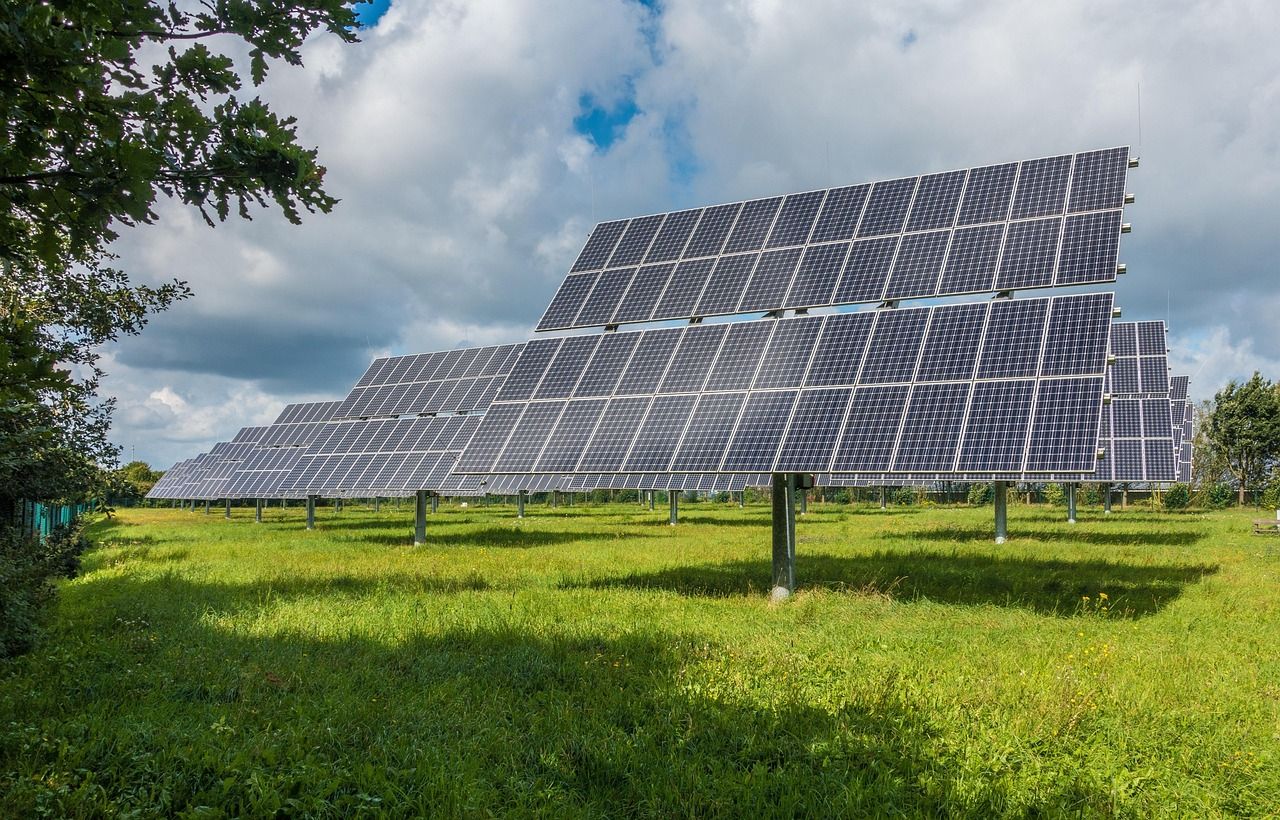
True survival in an energy-uncertain world comes from energy independence. India is blessed with abundant sunlight for nearly 300 days a year, making solar energy a highly viable option. The Indian government’s 'PM Surya Ghar: Muft Bijli Yojana' provides substantial subsidies for residential solar rooftop installations.
Grid-Tied vs. Off-Grid Systems
For urban dwellers, a grid-tied system is often the best choice. It allows you to feed excess electricity back into the main grid through net-metering, which can result in zero or even negative electricity bills. However, if you face frequent power cuts, a hybrid system—which combines solar panels with battery storage—is the most robust solution. While the initial investment for a 3kW solar system might range between 1.5 to 2 lakh rupees, the payback period is usually 4 to 5 years, after which your electricity is essentially free for the next two decades.
Lifestyle Adjustments for Energy Scarcity
Surviving an energy crisis requires a shift in mindset. It involves being mindful of every watt consumed. Simple habits like switching off lights when leaving a room, unplugging chargers when not in use (as they draw phantom power), and using heavy appliances like washing machines and dishwashers during off-peak hours can collectively make a difference. In many Indian cities, 'Time of Day' (ToD) metering is being introduced, where electricity is cheaper during certain hours. Shifting your heavy usage to these windows can lead to significant financial savings.
Conclusion
Surviving an energy crisis in India is a multi-layered challenge that involves preparation, efficiency, and a transition to sustainable practices. By upgrading to energy-efficient appliances like BLDC fans and 5-star ACs, maintaining your equipment, utilizing traditional cooling methods, and exploring solar energy, you can protect your household from both the heat and the rising costs of power. The goal is to move from being a passive consumer of energy to an active, informed manager of your home’s power needs. Start small, perhaps by changing your bulbs to LEDs or adjusting your AC settings, and gradually build toward energy independence. In an era of climate uncertainty, being energy-resilient is the smartest move you can make for your home and your pocket.
How can I reduce my electricity bill without replacing all my appliances?
The fastest way to reduce your bill is to set your AC to 24 degrees Celsius, clean its filters regularly, and ensure that no appliances are left on standby mode. Additionally, using natural light during the day and ensuring your home is well-ventilated can reduce the need for artificial lighting and heavy cooling.
Is a solar rooftop system worth the investment in India?
Yes, especially with the current government subsidies. A solar rooftop system can reduce your electricity bills by 70 to 100 percent. Given the rising cost of grid power, most households recover their investment within 4 to 5 years, while the panels have a lifespan of over 25 years.
What should I do if my area has frequent voltage fluctuations?
Voltage fluctuations can damage sensitive electronics. It is highly recommended to install a main-line voltage stabilizer or individual stabilizers for expensive appliances like refrigerators and ACs. For computers and routers, a small UPS (Uninterruptible Power Supply) is essential to prevent data loss and hardware damage.
How do I stay cool during a power cut if I do not have an inverter?
Use traditional methods like cross-ventilation during cooler hours. You can also hang wet curtains over open windows or use a hand fan. Staying hydrated and wearing light, breathable cotton clothing is also crucial for managing body temperature during outages.


