

Navigating the Age of Uncertainty in India
Open any news app or scroll through your social media feed, and it is easy to feel like the world is on the brink. Between fluctuating economies, extreme weather patterns across the Indian subcontinent, and the rapid pace of technological change, a sense of collective anxiety has taken hold. Many people are searching for answers on how to survive our doomed outlook on the future. However, survival is not just about preparing for a worst-case scenario; it is about building resilience, finding community, and adapting to a world that looks very different from the one our parents grew up in.
For the average Indian resident, the challenges are unique. We deal with specific pressures like high population density, rising urban temperatures, and an intensely competitive job market. To navigate these times, we need a strategy that is grounded in reality rather than fear. This guide explores practical ways to thrive even when the narrative surrounding us feels bleak.
Securing Your Financial Future
One of the primary reasons people feel a sense of doom is financial instability. Inflation in India can eat away at savings quickly if they are not managed wisely. To understand how to survive our doomed economic forecasts, one must look beyond traditional savings accounts.
Build a robust emergency fund
In the Indian context, an emergency fund should ideally cover at least six to twelve months of your essential expenses. This includes rent or EMI, groceries, children’s school fees, and insurance premiums. Keep this money in a liquid fund or a separate savings account that you do not touch for daily expenses. This cushion is your first line of defense against job losses or unexpected medical emergencies.
Diversify beyond gold and real estate
While Indians have a historical affinity for gold and property, surviving a modern crisis requires a more balanced portfolio. Consider diversifying into low-cost index funds, diversified mutual funds, and even international equities if possible. This ensures that your entire net worth is not tied to the performance of a single sector or geographical location.
The rise of the side hustle
Dependency on a single source of income is a risk in an era of rapid automation and corporate restructuring. Whether it is freelance consulting, teaching online, or starting a small home-based business, having a secondary income stream provides both financial security and a sense of purpose.
Adapting to Environmental Changes
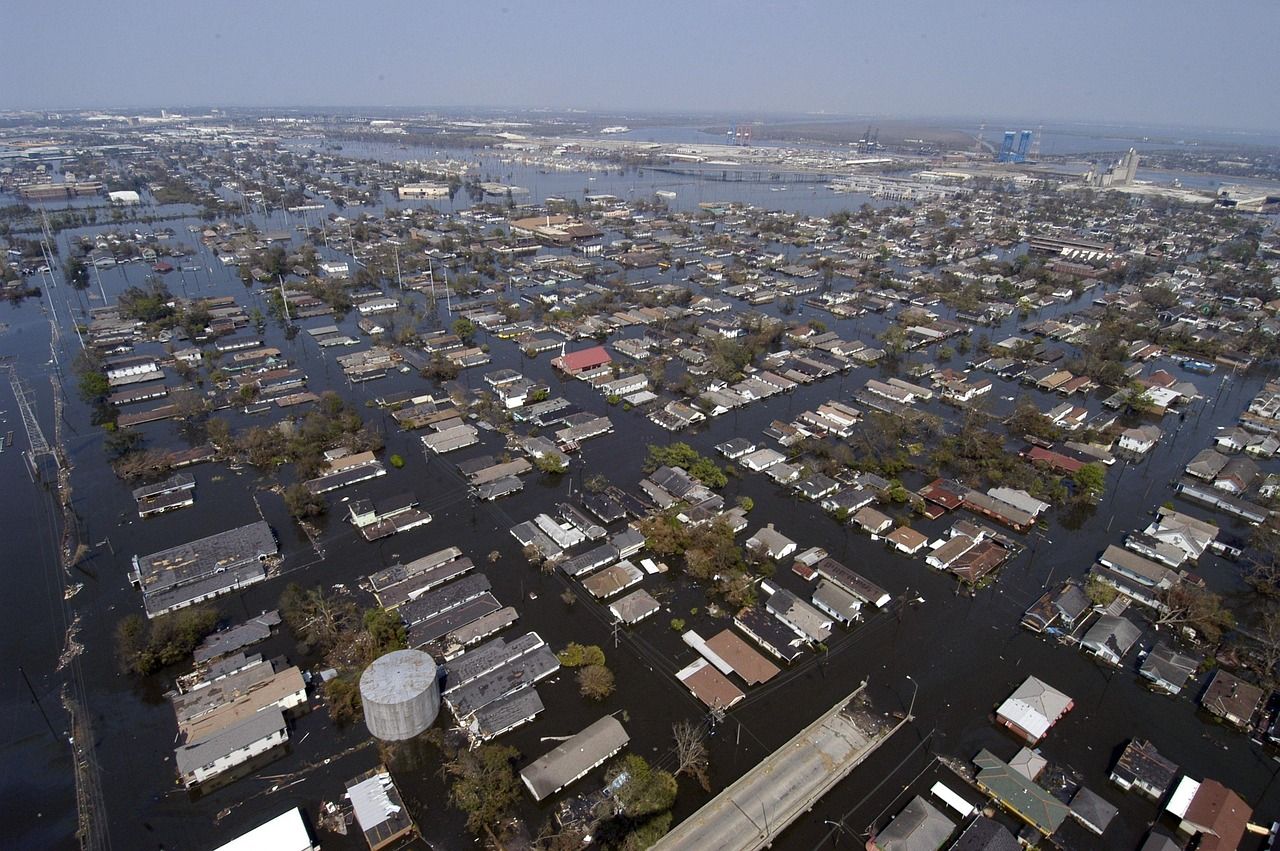
From the heatwaves in Delhi to the flooding in Chennai and Bengaluru, environmental stress is a reality we face every year. Learning how to survive our doomed climate trajectory involves making personal and community-level adjustments to stay safe and healthy.
Water conservation and management
Water scarcity is a looming crisis in most Indian metros. Installing rainwater harvesting systems in your apartment complex or using greywater recycling for plants are no longer just eco-friendly choices; they are survival skills. On a personal level, investing in high-quality water filtration ensures you are protected even when local supply chains are compromised.
Sustainable urban living
As cities get hotter, the cost of cooling rises. Think about passive cooling techniques for your home. Using white reflective paint on roofs, installing heavy curtains, and maintaining indoor plants can significantly lower indoor temperatures. Additionally, learning to grow even a small portion of your own food, such as herbs or microgreens on a balcony, builds a connection with nature and provides a tiny bit of self-sufficiency.
Mastering Mental Resilience and Digital Health
The term doom-scrolling has become a part of our daily vocabulary. Constantly consuming negative news creates a feedback loop of despair. If you want to know how to survive our doomed headlines, the answer often lies in your digital habits.
Filtering your information intake
It is important to stay informed, but there is a fine line between awareness and obsession. Limit your news consumption to specific times of the day and rely on credible, long-form journalism rather than sensationalist social media snippets. Understanding the context of global events helps reduce the knee-jerk anxiety caused by breaking news alerts.
The power of the Indian community
One of India's greatest strengths is its social fabric. In times of crisis, it is the neighborhood network, the local kirana store owner, and the apartment WhatsApp group that provide immediate support. Cultivate these relationships. Check in on your neighbors and build a circle of trust. Survival is a team sport, and isolation only amplifies fear.
Building a Practical Skill Set
In a world where everything is outsourced to apps, we have lost many basic life skills. True resilience comes from knowing how to do things yourself. This is a core part of how to survive our doomed reliance on fragile modern systems.
Basic first aid and medical knowledge
Every Indian household should have a well-stocked first aid kit and at least one person trained in basic CPR and wound care. Given the pressure on our healthcare infrastructure during peak crisis times, knowing how to manage minor illnesses or injuries at home can be life-saving.
Cooking and nutrition
Moving away from highly processed delivery food toward home-cooked, seasonal meals is essential for long-term health. Understanding nutrition allows you to stay healthy and maintain a strong immune system, which is your best defense against the various health scares that circulate in high-density environments.
Repair and maintenance
Learn to fix basic things around the house. Whether it is a leaky tap, a fused bulb, or a minor glitch in an appliance, being handy reduces your dependence on external service providers who may not always be available during lockdowns or extreme weather events.
Preparing for Job Market Shifts
The fear of obsolescence is a major contributor to the feeling of being doomed. With the rise of advanced technologies, the Indian job market is undergoing a massive shift. Surviving this change requires a mindset of continuous learning.
Upskilling and reskilling
Identify the skills that are becoming more valuable in your industry. This could be data literacy, emotional intelligence, or specialized technical knowledge. Use online platforms to get certified and stay ahead of the curve. The goal is to be someone who can solve problems that machines cannot.
Soft skills and networking
In an increasingly digital world, human-centric skills like empathy, negotiation, and leadership become more valuable. Networking within your industry in India—attending seminars, joining professional bodies—ensures that you have access to opportunities that are never advertised publicly.
The Philosophy of Hopeful Realism
Finally, surviving a sense of doom requires a shift in perspective. We must move from a state of paralysis to a state of action. While we cannot control global geopolitics or the global climate on our own, we can control our response to them. This is how to survive our doomed thoughts: by focusing on the small, manageable areas of our lives where we have agency.
India has a long history of resilience. We have survived colonial rule, economic shifts, and numerous natural disasters. That resilience is in our DNA. By securing your finances, protecting your mental health, connecting with your community, and learning new skills, you transform from a passive observer of a changing world into an active participant in your own survival.
The future may look uncertain, but uncertainty also contains the possibility of change and growth. Stay prepared, stay connected, and most importantly, stay proactive. Resilience is not just about surviving; it is about finding a way to live a meaningful life regardless of the challenges that come our way.
Is it actually possible to prepare for everything?
No, it is impossible to prepare for every single scenario. The goal of survival and resilience is to build a flexible foundation—financial, physical, and mental—that allows you to adapt to various challenges as they arise.
How can I stop feeling overwhelmed by the news?
Practice a digital fast. Set specific times for checking the news, avoid looking at your phone immediately after waking up, and focus on local news where you can actually take helpful action in your own community.
Why is community so important for survival in India?
In high-density environments like Indian cities, formal infrastructure can become overwhelmed during a crisis. Local communities and neighbors often provide the fastest assistance, shared resources, and emotional support during difficult times.
What is the most important skill to learn for the future?
Adaptability. The ability to unlearn old habits and quickly learn new ways of working, living, and problem-solving is the most valuable asset in an unpredictable world.


