

Introduction to Baseball in India
In a country where cricket is a religion, the idea of stepping onto a diamond-shaped field instead of a rectangular pitch is becoming increasingly popular. Baseball is gaining significant traction in India, thanks to international leagues and a growing grassroots movement. Whether you are a cricketer looking to transition or a complete beginner inspired by the fast-paced nature of the game, knowing how to prepare for baseball is the first step toward success. This guide is designed specifically for Indian athletes who want to master the fundamentals and build the physical and mental stamina required for this challenging sport.
The Transition: From Cricket to Baseball
Many Indian players come to baseball from a cricket background. While both sports involve a bat and a ball, the mechanics are vastly different. In cricket, the swing is often vertical and defensive; in baseball, the swing is horizontal and aggressive. Preparing for baseball requires unlearning certain habits and developing a new set of muscle memories. You need to adapt to the weight of a baseball glove, the roundness of the bat, and the explosive nature of the movements. Understanding these differences early on will help you focus your training on the areas that matter most.
Physical Conditioning and Fitness
Baseball is a game of explosive bursts. You are either sprinting to a base, throwing a high-velocity ball, or swinging a bat with maximum force. Your fitness routine must reflect these requirements.
Lower Body Strength
Power in baseball starts from the ground up. Pitchers and hitters alike rely on their legs and glutes to generate force. Incorporate squats, lunges, and deadlifts into your weekly routine. Since many Indian athletes have access to local gyms or can perform bodyweight exercises at home, focusing on explosive movements like box jumps can significantly improve your base-running speed and hitting power.
Core Stability
The rotational movement involved in swinging a bat or throwing a ball puts immense pressure on the core. A strong core prevents injuries and increases the speed of your swing. Planks, Russian twists, and medicine ball throws are excellent for building the rotational strength necessary for baseball.
Arm Care and Flexibility
Indian weather can be harsh, and playing in the heat requires your muscles to be incredibly flexible to avoid strains. Focus on shoulder mobility and forearm strength. However, be careful not to overtrain your throwing arm. Long toss programs, where you gradually increase the distance of your throws, are standard for building arm strength without causing injury.
Mastering the Fundamental Skills
You cannot play baseball without mastering the three pillars: hitting, throwing, and fielding.
Hitting Mechanics
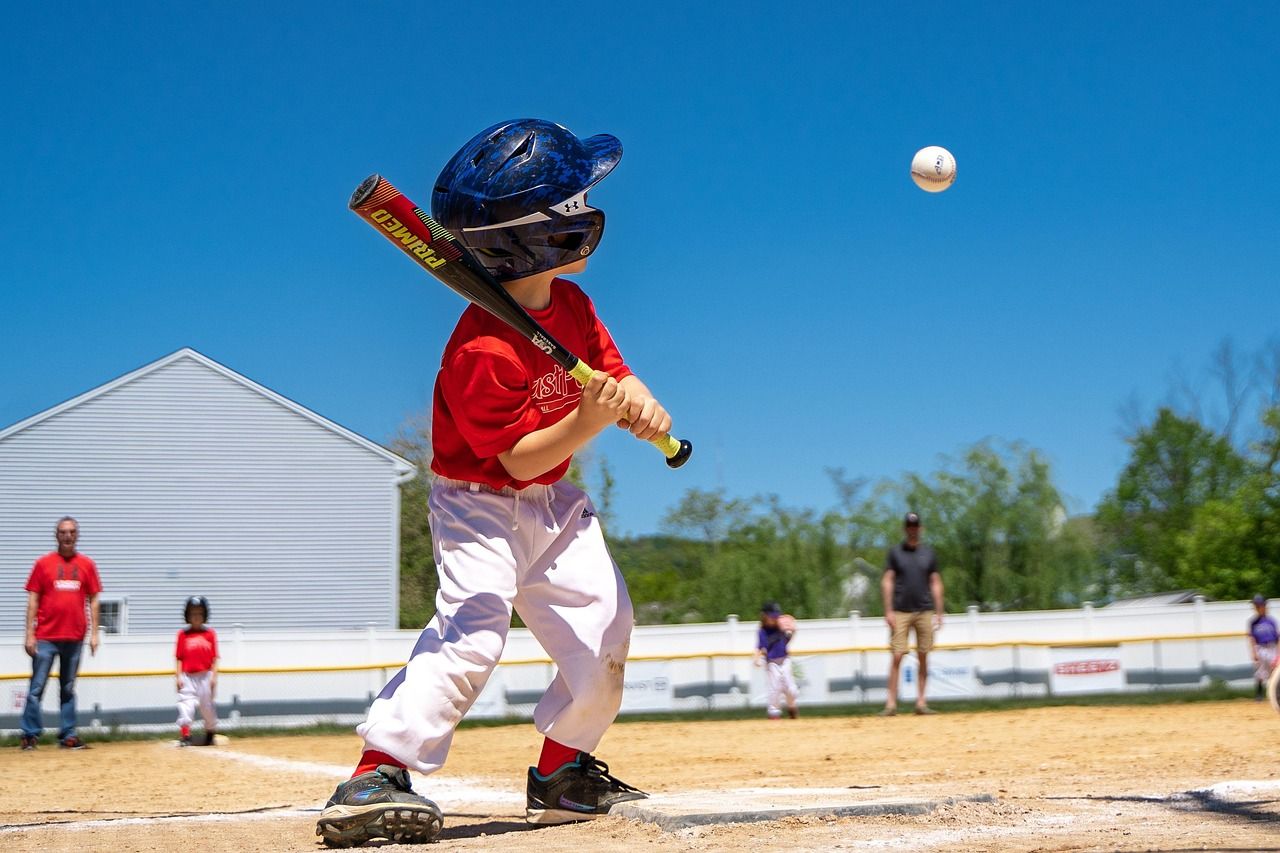
In baseball, the ball can reach you at incredible speeds with unpredictable movement. To prepare, you need to work on your hand-eye coordination. Use a batting tee to practice your swing path. Unlike the cricket 'V', a baseball swing requires a level or slightly upward path through the strike zone. Practice keeping your weight on your back leg and transferring it forward as you swing. If you are in a city like Delhi, Mumbai, or Bangalore, look for local academies that offer batting cages to get used to the speed of a pitching machine.
Throwing and Pitching
Throwing a baseball is an art. It involves the entire body, not just the arm. Focus on your footwork; the 'crow hop' is a basic move every outfielder must learn to generate power in their throw. If you want to pitch, start by mastering the four-seam fastball. Accuracy is more important than speed when you are just starting. Ensure you are using the correct grip and following through with your entire body to protect your elbow.
Fielding with a Glove
One of the biggest adjustments for Indian players is using a baseball glove. It feels heavy and stiff at first. Spend time 'breaking in' your glove. Practice ground balls by staying low to the ground and keeping your eyes on the ball until it enters the glove. Work on your 'soft hands' to ensure the ball doesn't bounce out. Fielding drills should also include 'pop-up' practice, where you learn to track high fly balls while navigating the sun or stadium lights.
Mental Preparation and Strategy
Baseball is often called a game of inches and a game of chess. The mental side is just as important as the physical side.
Understanding the Rules
Spend time watching Major League Baseball (MLB) or local tournaments organized by the Amateur Baseball Federation of India (ABFI). Understand the strike zone, the force-out rules, and the importance of 'outs' versus 'runs'. Knowing the situation—how many runners are on base and how many outs there are—dictates every move you make on the field.
Focus and Resilience
Baseball involves a lot of waiting followed by seconds of intense action. Staying focused for nine innings is difficult. Moreover, baseball is a game of failure; even the best hitters fail seven out of ten times. Developing a resilient mindset where you can move past a mistake or a strikeout is crucial for long-term success.
Sourcing Equipment in India
Finding quality baseball gear in India used to be difficult, but it is becoming easier. Brands like Decathlon offer basic baseball kits including bats, balls, and gloves. For more professional-grade equipment, many Indian athletes use online platforms to import gloves from brands like Rawlings or Wilson. Ensure you have the right footwear; while cricket spikes can work on some surfaces, baseball-specific cleats provide better traction for the dirt infield and grass outfield. A well-fitting helmet and a protective cup are also non-negotiable safety items.
Finding a Community
You cannot prepare for baseball in isolation. Look for local clubs or university teams. Many Indian states now have active baseball associations. Joining a team provides you with the coaching necessary to correct your form and the opportunity to play in competitive matches. Participating in local 'catch' sessions in public parks is also a great way to meet fellow enthusiasts and build your skills through social play.
Nutrition and Hydration
The Indian climate demands a strict hydration strategy. Baseball games can last several hours under the sun. Drink plenty of water and electrolyte-rich fluids. Your diet should be rich in proteins for muscle repair and complex carbohydrates for sustained energy. Traditional Indian foods like dal, paneer, eggs, and lean meats are excellent protein sources, while oats and brown rice can provide the necessary fuel for long training sessions.
Conclusion
Preparing for baseball in India is an exciting journey that combines physical discipline with mental sharpness. By focusing on your core strength, mastering the unique mechanics of the swing, and immersing yourself in the rules of the game, you can excel in this sport. Remember that every great player started with a simple game of catch. Stay consistent, stay patient, and soon you will find yourself confident and ready when you step onto the diamond. The growth of baseball in India is just beginning, and with the right preparation, you can be a part of this rising sporting revolution.
Is it hard to switch from cricket to baseball?
The transition has its challenges, particularly in changing your batting swing from vertical to horizontal and learning to throw with a glove. However, the hand-eye coordination developed in cricket gives Indian players a significant head start.
What equipment do I need to start playing baseball in India?
At a minimum, you need a baseball glove, a bat, and a baseball. As you progress, you should invest in a helmet, baseball cleats, and proper athletic attire to ensure safety and performance.
Where can I play baseball in India?
Baseball is played in many universities and through state associations affiliated with the Amateur Baseball Federation of India (ABFI). Major cities like Delhi, Manipur, and Maharashtra have active baseball communities and training facilities.
How can I improve my pitching speed at home?
Focus on building lower body power and core stability through exercises like squats and planks. You can also use resistance bands to strengthen your rotator cuff and perform 'towel drills' to perfect your pitching mechanics without putting too much strain on your arm.


