

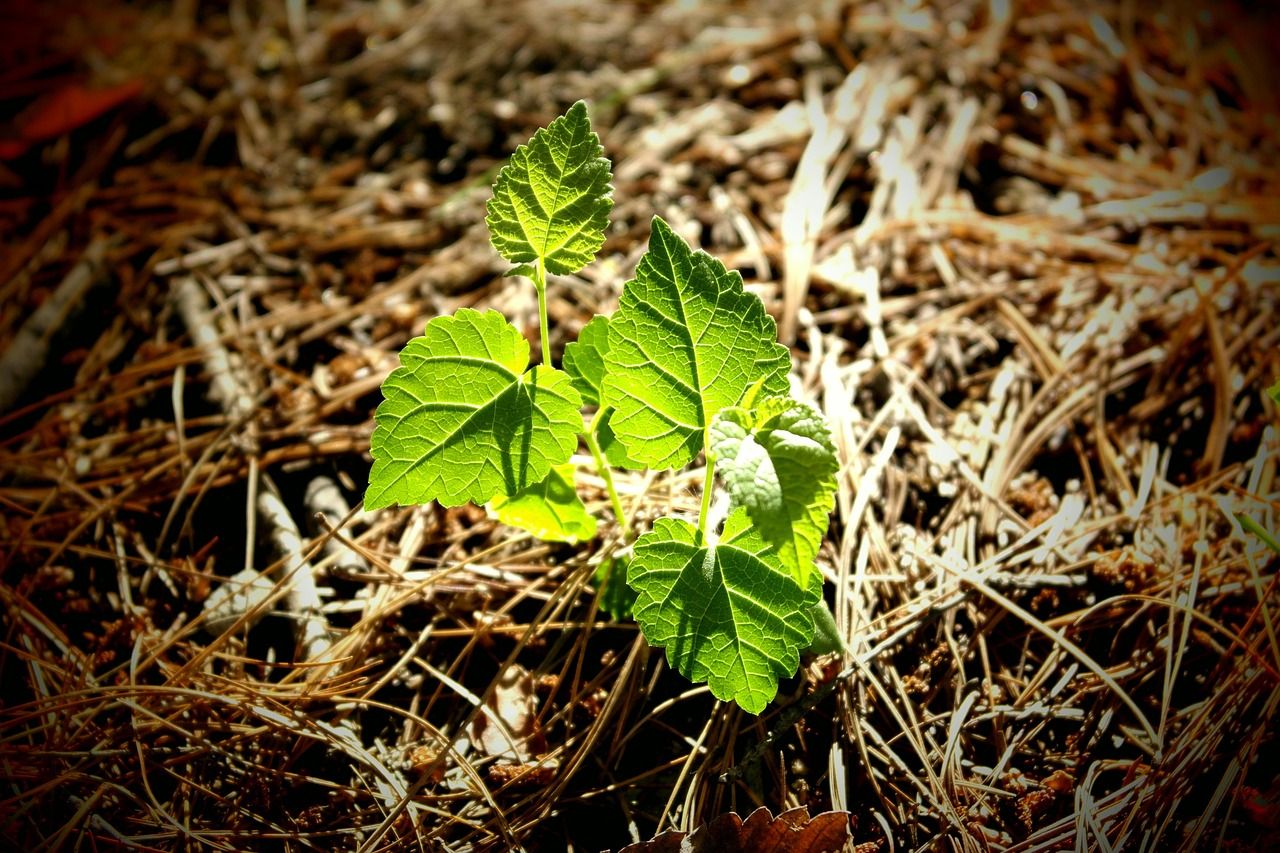
Bringing Your Green Friends Back to Life
Gardening in India is a journey filled with both joy and occasional heartbreak. We have all been there: you buy a lush, green Hibiscus or a vibrant Peace Lily from the local nursery, only to find it drooping and yellowing a few weeks later. Whether it is the scorching 45-degree heat of a Delhi summer or the humid, fungus-prone monsoons of Mumbai, our plants go through a lot. The first thing you should know is that a wilting plant is not always a dead plant. Most of the time, it is simply a cry for help. Understanding how to revive plants and when to accept that they are gone is a skill that every plant parent must develop.
Is My Plant Actually Dead? The Scratch Test
Before you decide to throw a plant away, you need to perform a simple diagnostic check known as the scratch test. Use your fingernail or a small knife to gently scratch a tiny bit of the outer bark on the main stem. If the tissue underneath is green and moist, your plant is still alive and has a fighting chance. If it is brown, dry, and brittle, that specific part of the stem is dead. However, do not stop there. Test several spots, moving closer to the base of the plant near the soil. Even if the top is dead, the roots might still be healthy enough to send up new shoots.
Understanding the When: Timing Your Revival Efforts
Timing is everything when it comes to plant recovery. If you notice your Money Plant or Snake Plant looking dull, the best time to intervene is immediately. Plants do not have a voice, so their leaves are their only way of communicating distress. If you wait until the stems are completely shriveled, the chances of recovery drop significantly. In the Indian climate, plants often enter a state of dormancy during the peak of winter or the extreme heat of mid-May. During these times, growth slows down naturally. It is important to distinguish between a plant that is resting and one that is dying. A dying plant will show signs of rot, pest infestation, or sudden leaf drop, whereas a dormant plant just looks stagnant.
Identifying the Cause of Distress
You cannot fix a problem if you do not know what it is. In India, the three most common killers of indoor and outdoor plants are improper watering, light stress, and pests. Overwatering is surprisingly more common than underwatering, especially during the monsoon season when humidity is high and the soil stays wet for longer. If the leaves are yellow and mushy, you are likely overwatering. If they are crispy and brown at the edges, the plant is thirsty. Light stress usually manifests as faded leaves or leggy, thin growth as the plant stretches toward the nearest window. Pests like mealybugs, which look like tiny bits of white cotton on your Hibiscus or Crotons, can also drain the life out of your greenery.
How to Revive Plants: A Step-by-Step Recovery Plan
Step 1: Pruning for Progress
The first step in reviving a struggling plant is to remove the dead weight. Use a pair of clean, sharp scissors or pruning shears to cut away all dead, brown, or yellowing leaves. This might feel counterintuitive, but it helps the plant focus its remaining energy on its healthy parts rather than trying to sustain dying foliage. If the stems are dead at the tips, trim them back until you see the green interior mentioned in the scratch test.
Step 2: Correcting the Watering Cycle
If your plant is suffering from underwatering, do not just pour a bucket of water on it. The soil might have become hydrophobic, meaning it is so dry that it repels water. Instead, use the bottom-watering method. Place the pot in a tub of water and let it soak for about 30 to 60 minutes until the top of the soil feels moist. For overwatered plants, the solution is the opposite. Remove the plant from its pot, gently shake off the soggy soil, and let the roots air out for a few hours. Check for root rot—mushy, black, or foul-smelling roots. Trim these away before repotting in fresh, well-draining soil.
Step 3: Soil Nutrition and Aeration
Often, plants in Indian households struggle because the soil has become compacted and depleted of nutrients. Use a small fork to gently loosen the top inch of the soil, being careful not to damage the roots. This allows oxygen to reach the root system. If the plant has been in the same pot for over a year, it might need a boost. Mix in some high-quality vermicompost or well-rotted cow manure (gobar khaad). For Indian plants like Tulsi, adding a little bit of Neem cake powder (Neem Khali) can help prevent soil-born fungi that are common during humid months.
Step 4: Humidity and Temperature Control
Many popular house plants in India, such as the Areca Palm or Ferns, are tropical in nature and thrive in high humidity. During the dry summer months, our air conditioners strip the moisture from the air, causing these plants to wilt. You can revive them by misting the leaves regularly or placing the pots on a tray filled with pebbles and a little water. Ensure the pot is not sitting directly in the water, as this causes root rot. Conversely, if your plant is suffering from heat stress, move it to a cooler, shaded spot away from direct afternoon sunlight.
Reviving Common Indian Household Plants
The Holy Basil (Tulsi)
Tulsi is prone to drying out in winter or getting attacked by black aphids. To revive a dying Tulsi, prune it back significantly, reduce watering during the cold months, and ensure it gets at least 4 hours of morning sunlight. A spray of diluted neem oil can clear up pest issues quickly.
The Money Plant (Pothos)
Money plants are incredibly resilient. If yours is looking thin, take cuttings from the healthy sections and place them in a jar of water. Once they develop roots, you can replant them. For the main plant, check if it is root-bound. If roots are circling the bottom of the pot, it is time to move it to a larger container with fresh soil.
Hibiscus and Flowering Plants
Hibiscus plants are heavy feeders. If your Hibiscus is not blooming or the leaves are turning yellow, it likely needs more phosphorus and potassium. Revive it by adding banana peel fertilizer or a balanced NPK supplement. Ensure it is not being attacked by mealybugs, which are the primary reason for Hibiscus decline in India.
When to Give Up: Knowing When the Battle is Lost
As much as we want to save every plant, sometimes it is better to let go. If you perform the scratch test all the way down to the base of the plant and find nothing but dry, brown wood, the plant is likely dead. Another sign of no return is complete root rot. If you pull the plant out and the entire root system falls apart into a smelly, black mush, the vascular system is destroyed, and the plant cannot take up water or nutrients anymore. Finally, if a plant has been completely leafless and showing no signs of life for more than an entire growing season, it is time to compost it and start fresh with a new green companion.
Conclusion
Reviving a plant is a lesson in patience and observation. It forces us to slow down and pay attention to the subtle shifts in nature. By understanding the specific needs of your plants and responding to their distress signals early, you can turn a dying leaf into a flourishing garden. Remember that every gardener loses plants occasionally; it is simply part of the learning process. Use these tips to assess your green space today, and do not be afraid to experiment with different revival techniques to see what works best in your local climate.
How do I know if I am overwatering or underwatering?
Underwatered plants usually have dry, crispy, brown leaves that crumble when touched. Overwatered plants have yellowing, soft, and limp leaves, and the soil may have a sour smell or visible mold on the surface.
Can a plant with no leaves be revived?
Yes, as long as the stem is still green inside and the roots are healthy. Prune the dead branches, provide indirect light, and water sparingly until new buds appear.
How long does it take for a plant to show signs of recovery?
Recovery depends on the plant species and the extent of the damage. Generally, you should see new growth or improved leaf turgidity within 2 to 4 weeks after correcting the care routine.
Is it okay to fertilize a dying plant?
No, you should never fertilize a plant that is severely stressed or dying. Fertilizer is for healthy plants to grow; adding it to a struggling plant can burn the weakened roots and worsen the situation. Wait until the plant shows signs of new growth before feeding it.


