

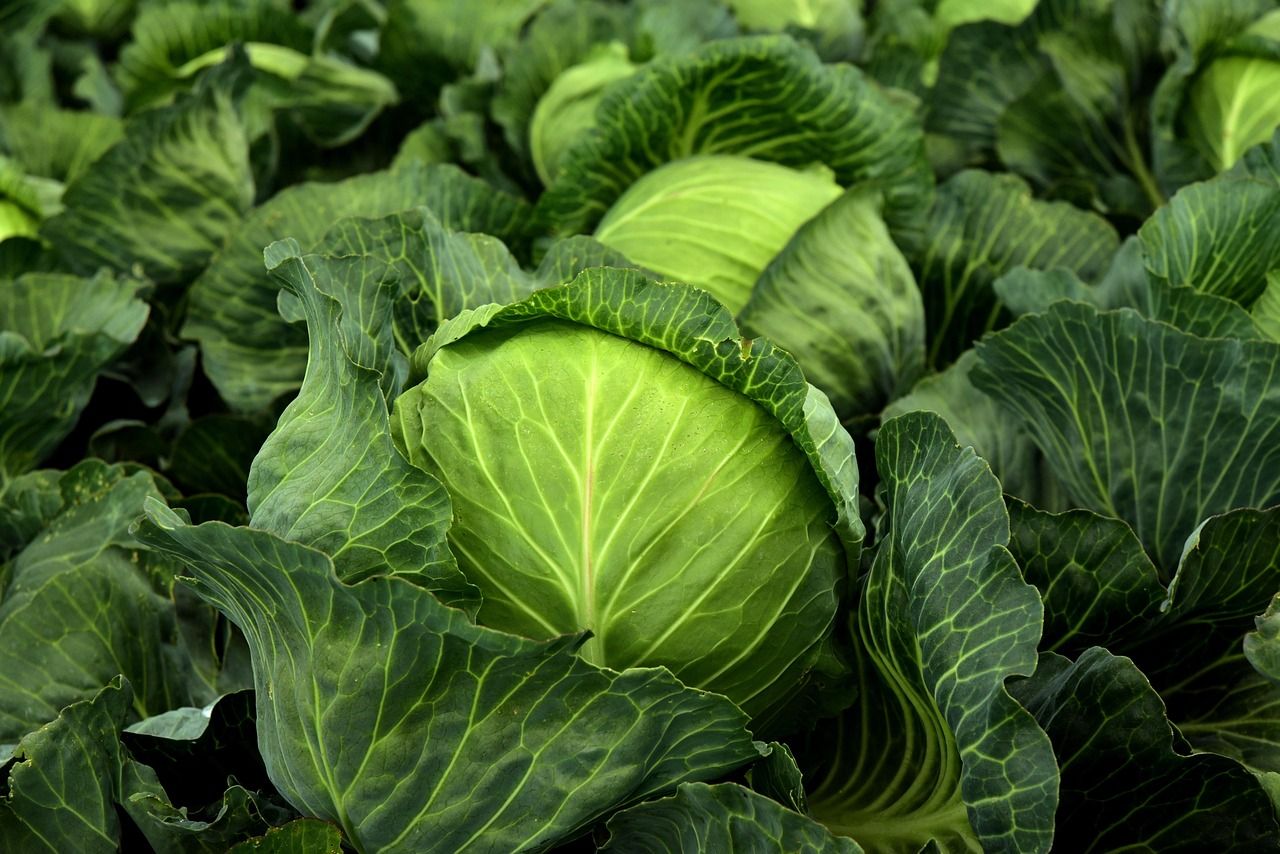
The Great Indian Misunderstanding of Patta Gobhi
In almost every Indian household, the humble cabbage, or Patta Gobhi, often gets a bad reputation. We have all seen it—the overcooked, mushy, and slightly pale yellow side dish served in school tiffins or at roadside dhabas. Because of this, many of us have grown up trying to avoid it at all costs. However, if you have been pushing this vegetable to the corner of your plate, you are missing out on one of the most versatile, affordable, and nutrient-dense ingredients available in the local sabzi mandi. If you want to transform your health and your meals, dont skip cabbageheres how to integrate it properly into your lifestyle.
Cabbage is not just a filler vegetable for chowmein or a cheap ingredient to bulk up a curry. It is a nutritional powerhouse that has been a staple in global cuisines for centuries. In India, we have a unique relationship with it, using it in everything from crunchy salads to stuffed parathas. But to truly appreciate it, we need to move past the soggy preparations and understand how to handle this leafy globe with the respect it deserves. This guide will take you through why this vegetable is essential and how you can cook it so that your family actually asks for seconds.
Why You Should Never Skip Cabbage
Before we dive into the cooking techniques, it is important to understand the biological benefits. Cabbage belongs to the cruciferous vegetable family, which includes broccoli, cauliflower, and kale. For the Indian body, which is often prone to digestive issues and inflammatory conditions due to our spice-heavy and sometimes oil-rich diets, cabbage acts as a natural balm. It is incredibly high in Vitamin C and Vitamin K. In fact, a small serving can provide more than half of your daily requirement of Vitamin C, which is crucial for immunity and skin health in our tropical climate.
Furthermore, cabbage is an excellent source of dietary fiber. If you struggle with sluggish digestion or want to manage your weight without feeling hungry, cabbage is your best friend. It is very low in calories but very high in volume, meaning you can eat a large portion and feel completely satisfied. For those looking to manage blood sugar levels, the low glycemic index of cabbage makes it a safe and healthy choice for daily consumption. When you consider these benefits, the phrase dont skip cabbageheres how to becomes a mantra for better living.
The Secret to Removing the Infamous Smell
One of the biggest reasons people skip cabbage is the sulfurous smell that often fills the kitchen when it is being cooked. This smell is actually a result of overcooking. Cabbage contains sulfur compounds that are released when the cell walls are broken down by heat for too long. If you boil cabbage or cook it on a low flame for forty minutes, it will inevitably smell unpleasant and taste bitter.
To avoid this, the secret is quick cooking. High heat and short cooking times are the golden rules for cabbage. Whether you are making a dry stir-fry or adding it to a soup, you want to retain a bit of that structural integrity. If you are making a traditional Indian sabzi, try adding a pinch of turmeric and a squeeze of lemon juice at the end; this not only brightens the flavor but also neutralizes those heavy sulfur notes.
Preparation 101: How to Clean and Cut
In India, we are often concerned about the cleanliness of leafy vegetables, and rightly so. To prepare cabbage safely, always remove the tough outer leaves which might have been exposed to dust or bruising during transport. Cut the cabbage into halves or quarters and soak them in a bowl of water with a teaspoon of salt or vinegar for about ten minutes. This helps in removing any hidden grit or small insects that might be tucked between the tight layers.
When it comes to cutting, the texture defines the dish. For a Maharashtrian Koshimbir or a South Indian Poriyal, a fine shred is essential. Use a sharp knife or a mandoline slicer to get long, thin ribbons. If you are making a North Indian style Patta Gobhi Matar, a slightly thicker chop works better as it holds up against the moisture of the peas and tomatoes. Remember, the way you cut it dictates how fast it cooks, so keep your pieces uniform.
Indian Style Cabbage: Regional Classics
The beauty of Indian cuisine is that every state has found a way to make cabbage delicious. If you are bored of the standard preparation, look to other regions for inspiration. In South India, the Cabbage Poriyal is a masterpiece of simplicity. By tempering mustard seeds, curry leaves, and dried red chilies in coconut oil, and then tossing the cabbage with fresh grated coconut, the vegetable transforms into something sweet, nutty, and incredibly fresh.
In the West, particularly in Gujarat and Maharashtra, cabbage is often used in 'Sambharo' or 'Koshimbir'. This is essentially a warm salad where the cabbage is flash-fried with green chilies and mustard seeds. It stays crunchy and acts as a perfect palate cleanser alongside a heavy meal of dal and rotis. By exploring these regional variations, you will realize that you dont skip cabbageheres how to make it a gourmet experience at home.
The Indo-Chinese Connection
We cannot talk about cabbage in India without mentioning Indo-Chinese food. This is perhaps where cabbage shines the most. The high-heat wok tossing method used in making Hakka noodles or fried rice ensures the cabbage stays crisp. If you have picky eaters at home who refuse to eat 'sabzi', try making a healthy stir-fry with soy sauce, ginger, garlic, and plenty of shredded cabbage. It provides the bulk and the crunch that makes street food so addictive, but with the health benefits of home cooking.
Innovative Ways to Use Cabbage
If you have already tried the traditional recipes and still want more, consider using cabbage as a functional ingredient. Cabbage leaves can be used as a low-carb wrap for fillings like paneer bhurji or spicy minced chicken. Simply blanch the large outer leaves in hot water for a minute to make them pliable, and you have a gluten-free alternative to rotis.
Another great way to use it is in 'Muthiya' or 'Kebab' form. Grated cabbage, when mixed with besan (gram flour), spices, and a bit of yogurt, can be steamed or shallow-fried to make delicious evening snacks. This is an excellent way to sneak vegetables into the diets of children who might otherwise avoid anything green on their plate.
Buying and Storing Tips
To get the best results, you must start with the right produce. When at the market, look for cabbage heads that feel heavy for their size. A heavy cabbage means it is dense and full of moisture, not dried out. The leaves should be tightly packed; if the cabbage feels light or the leaves are starting to separate from the stem, it is likely old and will have a bitter taste. For red cabbage, look for a deep, vibrant purple color and a shiny exterior.
Storing cabbage is easy. It is one of the longest-lasting vegetables in the fridge. Keep it whole in the crisper drawer, and it can stay fresh for up to two weeks. Once you cut into it, make sure to wrap the remaining part tightly in cloth or a reusable bag to prevent the edges from drying out and turning brown. If you find yourself with half a cabbage left over, shred it immediately and keep it in a container; it makes it much easier to toss into your morning omelet or poha the next day.
Conclusion: Embracing the Crunch
Cabbage is a humble hero of the vegetable world. It is cheap, stays fresh for a long time, and is packed with the kind of nutrition that our modern lifestyles desperately need. Whether you are using it to lose weight, improve your digestion, or simply to add more variety to your dinner table, there is no reason to overlook this leafy green. By understanding the importance of quick cooking, proper cleaning, and regional seasoning, you can turn a boring vegetable into a culinary highlight. So, the next time you see that round green head at the vegetable stall, dont skip cabbageheres how to make it the star of your next meal.
How do I stop cabbage from becoming soggy when cooking?
The key to avoiding soggy cabbage is to cook it quickly over medium-high heat. Do not cover the pan with a lid for a long time, as the steam will soften the cabbage too much. Add salt only towards the end of the cooking process to prevent the vegetable from releasing all its water too early.
Can cabbage be eaten raw in Indian salads?
Yes, cabbage is excellent when eaten raw. However, due to concerns regarding hygiene and pesticides, ensure you wash it thoroughly in salt water or vinegar water first. Finely shredded raw cabbage adds a great crunch to salads like Koshimbir or as a topping for chaats.
Is purple cabbage healthier than green cabbage?
Both are very healthy, but purple (or red) cabbage contains anthocyanins, which are powerful antioxidants not found in green cabbage. It also has higher levels of Vitamin A. However, green cabbage is generally milder in flavor and more versatile for traditional Indian cooking.
Does cabbage cause gas and bloating?
For some people, the complex sugars in cruciferous vegetables can cause gas. To minimize this, you can steam the cabbage slightly or cook it with digestive spices like hing (asafoetida), ginger, and ajwain (carom seeds), which are commonly used in Indian kitchens to aid digestion.


