

The Philosophy of Eating Well in the Indian Context
In India, food is more than just fuel; it is a celebration of culture, a gesture of love, and a cornerstone of traditional medicine. However, with the rise of processed foods and sedentary lifestyles, many find themselves struggling with the fundamentals of nutrition. Learning how to eat well and maintain a vibrant lifestyle does not require you to switch to expensive exotic superfoods like kale or quinoa. Instead, the secret lies in rediscovering the balance within our traditional Indian kitchens. Whether you are a busy professional in Bangalore or a home chef in Delhi, understanding how to harmonize your daily meals can transform your health journey. This guide explores the practical steps to achieve a balanced diet using locally available, affordable, and culturally familiar ingredients.
The Anatomy of a Balanced Indian Thali
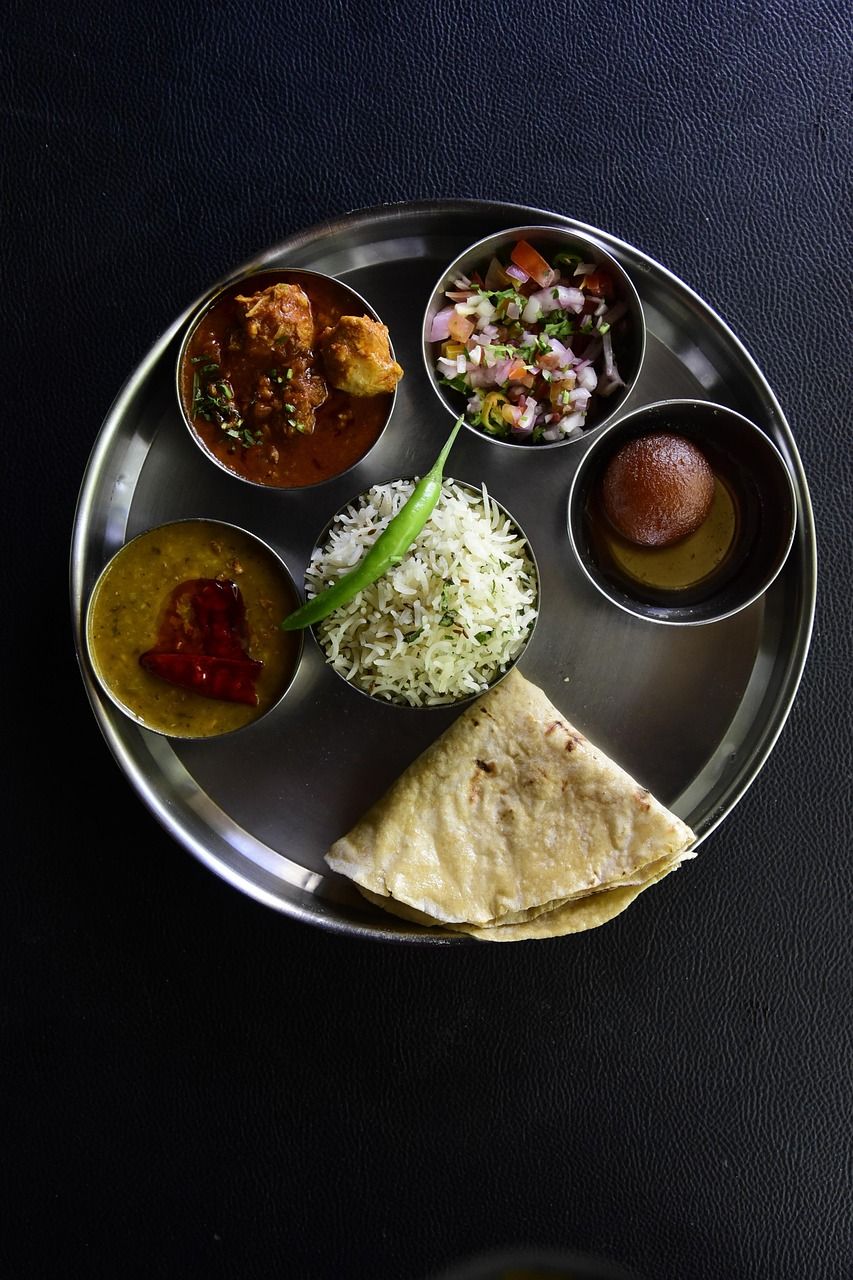
The traditional Indian thali is perhaps one of the most scientifically designed meal structures in the world. It naturally incorporates all the essential macronutrients and micronutrients required by the body. To understand how to eat well and stay energized throughout the day, we must look at the proportions on our plate. A balanced meal should ideally consist of a small portion of complex carbohydrates, a significant amount of fiber, a reliable source of protein, and a healthy dose of fats.
Prioritizing Complex Carbohydrates
While white rice and refined flour rotis are staples, they can lead to energy spikes and crashes. To eat well, consider incorporating ancient grains or millets such as Ragi, Jowar, and Bajra. These grains are high in fiber, which aids digestion and keeps you full for longer. If you prefer rice, opt for hand-pounded or brown rice versions that retain their nutritional husk.
The Power of Plant-Based Proteins
For many Indians, lentils (dal) and legumes are the primary sources of protein. However, simply having a small bowl of watery dal may not meet your daily protein requirements. To optimize your intake, combine different types of pulses like Moong, Masoor, and Rajma. Including Paneer, Soy, or curd in your meals also ensures you get a complete amino acid profile. If you are non-vegetarian, lean sources like eggs and grilled fish are excellent additions to a balanced diet.
Smart Swaps for a Healthier Kitchen
Small changes in the kitchen can lead to significant health benefits over time. Often, we consume hidden calories through cooking oils and sweeteners without even realizing it. Knowing how to eat well and reduce systemic inflammation starts with choosing the right ingredients for your tadka.
- Switch to Cold-Pressed Oils: Instead of refined vegetable oils, use mustard oil, coconut oil, or groundnut oil. These traditional oils are extracted without chemicals and contain beneficial fatty acids.
- Replace Refined Sugar: Indian sweets are legendary, but the refined sugar content is a concern. Use small amounts of jaggery (gur) or dates to sweeten your dishes naturally.
- Embrace Seasonal Vegetables: Instead of buying imported produce, eat what is grown locally. Seasonal vegetables like bitter gourd (karela), bottle gourd (lauki), and spinach (palak) are packed with vitamins that your body needs during specific times of the year.
The Role of Spices in Digestion and Immunity
Indian spices are not just for flavor; they are potent medicinal tools. Turmeric (haldi) contains curcumin, which is known for its anti-inflammatory properties. Cumin (jeera) and carom seeds (ajwain) are exceptional for digestive health. When you focus on how to eat well and boost your immunity, you should ensure these spices are toasted in healthy fats to increase their bioavailability. A pinch of black pepper with turmeric, for instance, enhances the absorption of curcumin significantly.
Mindful Eating and Portion Control
It is not just about what you eat, but how you eat. In the hustle of modern life, many Indians have adopted the habit of eating while watching television or scrolling through their phones. This leads to overeating because the brain does not receive the signal of fullness in time. To eat well, try to practice mindful eating. Sit down, chew your food thoroughly, and appreciate the textures and flavors. This simple habit can reduce bloating and improve nutrient absorption.
The Rule of Thirds
An easy way to manage portions without counting calories is the visual plate method. Fill half of your plate with vegetables (sabzi or salad), one-quarter with protein (dal, paneer, or lean meat), and the remaining quarter with carbohydrates (one or two rotis or a small portion of rice). This ensures you get enough fiber to prevent overeating.
Hydration and Traditional Indian Drinks
Maintaining hydration is a key component of how to eat well and keep your metabolism functioning optimally. However, hydration should not come from sugary sodas or packaged juices. India has a rich variety of natural rehydrating drinks. Buttermilk (chaas) with a dash of roasted cumin is excellent for gut health. Coconut water provides essential electrolytes, and lemon water (nimbu paani) offers a Vitamin C boost without the extra calories. Drinking water 30 minutes before a meal can also help in weight management by preventing thirst-induced hunger.
Navigating Social Gatherings and Festivals
Indian culture is synonymous with festivals and grand weddings where heavy food is the norm. Learning how to eat well and enjoy these occasions requires a strategy. Instead of depriving yourself, try the one-sweet rule. Choose your favorite dessert and enjoy a small portion rather than sampling everything. Focus on the protein-rich appetizers like tikkas and kebabs rather than the deep-fried snacks. Most importantly, do not skip meals earlier in the day to save room for a feast; this usually leads to binge-eating at night.
The Importance of Gut Health
A healthy gut is the foundation of overall wellness. Traditional Indian diets are naturally rich in probiotics. Homemade curd (dahi) is a staple that should be included in at least one meal a day. It provides the beneficial bacteria needed for a healthy microbiome. Fermented foods like idli and dosa also offer similar benefits. When your gut is healthy, your body can better extract nutrients from the food you eat, making your efforts to eat well even more effective.
Consistency Over Perfection
The journey to health is a marathon, not a sprint. You do not need to follow a rigid, joyless diet to be healthy. The goal is to make sustainable choices that fit into your lifestyle. If you have a day where you indulge in a heavy paratha or a plate of samosas, do not be discouraged. Simply return to your balanced routine for the next meal. Learning how to eat well and stay consistent is about finding a 80/20 balance—eating nutritious whole foods 80 percent of the time and allowing for occasional treats the other 20 percent.
Conclusion
Eating well in India is not about adopting Western trends; it is about reclaiming the wisdom of our ancestors while adapting to modern nutritional science. By focusing on whole grains, adequate protein, seasonal vegetables, and mindful eating, you can significantly improve your quality of life. Remember that every small choice, from choosing water over soda to adding a side of salad to your lunch, adds up to long-term health. Start today by making your next plate a colorful, balanced representation of the rich diversity our cuisine offers.
Can I eat white rice every day and still be healthy?
Yes, you can eat white rice daily, provided you control the portion size and pair it with a high amount of fiber and protein. Adding a large serving of vegetables and a bowl of dal helps lower the overall glycemic index of the meal.
Is desi ghee good for weight loss?
Desi ghee contains healthy fats and fat-soluble vitamins. In moderation (about 1-2 teaspoons a day), it can aid digestion and satiety. However, it is calorie-dense, so it should be consumed within your daily caloric needs.
How can I stop sugar cravings after a meal?
Cravings often occur if your meal was too high in simple carbs or too low in protein. Try having a small piece of dark chocolate, a date, or a cup of herbal tea. Staying hydrated throughout the day also reduces the frequency of sugar cravings.
What is a healthy Indian breakfast option?
Opt for fiber-rich and protein-packed options like Moong Dal Chilla, Vegetable Poha with peanuts, or Ragi Malt. These provide sustained energy compared to sugary cereals or plain white bread toast.


