

Introduction to Growing Asparagus in India
If you have ever walked through the aisles of a high-end grocery store in Delhi or Bangalore, you have likely seen the steep prices of fresh green asparagus. Often considered a gourmet vegetable, asparagus is packed with vitamins A, C, and K, as well as essential minerals. While it is often associated with temperate Western climates, many gardeners are now discovering how to grow asparagus and maintain a thriving patch right here in India. This perennial vegetable is unique because once established, it can continue to provide a healthy harvest for fifteen to twenty years. For an Indian gardener, this means a one-time effort yields two decades of organic, fresh produce.
Why You Should Consider Asparagus
Asparagus is a member of the lily family and is closely related to the medicinal herb Shatavari, which is native to the Indian subcontinent. While Shatavari is grown primarily for its roots, the edible asparagus (Asparagus officinalis) is grown for its tender young shoots, known as spears. Growing this at home ensures that you get the freshest possible stalks, as the natural sugars in asparagus begin to turn into starch immediately after harvest, causing it to lose flavor in transport. By learning how to grow asparagus and incorporating it into your kitchen garden, you are investing in a long-term source of high-quality nutrition.
Understanding the Ideal Climate for Asparagus in India
In India, the primary challenge for asparagus is the intense heat and the monsoon season. Asparagus prefers regions with a distinct dormant period, usually triggered by cold weather. However, it can be grown successfully in the cooler hilly regions of the North, as well as in parts of Maharashtra, Karnataka, and Tamil Nadu where the winters are mild. In hotter regions like Rajasthan or the plains of Uttar Pradesh, you must provide partial shade during the peak summer months of May and June. The plant needs a period of rest to build up energy in its root system, which typically happens during the winter months in North India.
Choosing the Right Varieties
Success starts with choosing the right seeds or crowns. For Indian conditions, the most popular varieties include Mary Washington and Martha Washington. These are heirloom varieties known for their rust resistance and ability to handle varying temperatures. If you can find F1 hybrids like UC 157, these are often better suited for warmer climates because they do not require a deep winter freeze to produce well. When looking at how to grow asparagus and selecting a variety, always prioritize disease-resistant options to minimize the need for chemical interventions in your home garden.
Soil Preparation and Site Selection
Asparagus is a permanent resident of your garden, so you cannot change its location easily once planted. You must choose a spot that receives at least six to eight hours of direct sunlight. The soil must be exceptionally well-draining. Asparagus roots, known as crowns, will rot quickly if they sit in waterlogged soil during the heavy Indian monsoon.
Testing and Amending the Soil
Ideally, the soil should be a sandy loam with a pH between 6.5 and 7.5. If your soil is heavy clay, common in parts of Central India, you must incorporate large amounts of river sand and organic matter like vermicompost or well-rotted cow manure (Gobar ki khad). Dig a trench about 12 inches deep and 12 inches wide. Mix the soil you removed with equal parts organic compost and a handful of neem cake to prevent soil-borne pests. This preparation is the foundation of how to grow asparagus and ensure it survives the first critical years.
How to Grow Asparagus and Plant the Crowns
While you can start asparagus from seeds, it is a slow process that adds an extra year to your waiting time. Most Indian gardeners prefer starting with one-year-old crowns. These look like a cluster of fleshy roots with a central bud.
The Trench Method
Inside your prepared trench, create a small mound of soil every 12 to 18 inches. Place the asparagus crown on top of the mound, spreading the roots out like the legs of a spider. Cover the crown with about 2 to 3 inches of soil. As the spears begin to emerge and grow throughout the first season, gradually fill in the rest of the trench with soil until it is level with the surrounding ground. This method protects the crown and encourages deep root development. Understanding this step is vital for anyone learning how to grow asparagus and wanting a sturdy, resilient plant.
Watering and Feeding Requirements
In the Indian climate, watering is a delicate balance. During the dry summer months, asparagus needs regular watering to keep the soil moist but not soggy. A deep watering once or twice a week is better than frequent light sprinkles. During the monsoon, you may need to ensure that the drainage channels are clear to prevent water from pooling around the crowns.
Fertilization Strategy
Asparagus is a heavy feeder. In early spring, before the spears emerge, apply a thick layer of compost or a balanced organic fertilizer. In India, using fermented seaweed liquid or mustard cake water (Sarson ki khali) every month during the growing season can provide the micronutrients necessary for robust growth. Avoid high-nitrogen fertilizers late in the season, as this can encourage soft growth that is susceptible to pests during the humid months.
Ongoing Care and Maintenance
Once your asparagus is growing, you must keep the area completely free of weeds. Asparagus does not like competition, especially when it is young. Use a thick layer of mulch, such as dried grass clippings or sugarcane bagasse, to suppress weeds and retain soil moisture. This is a key part of how to grow asparagus and manage the extreme temperature fluctuations of the Indian subcontinent.
Managing the Ferns
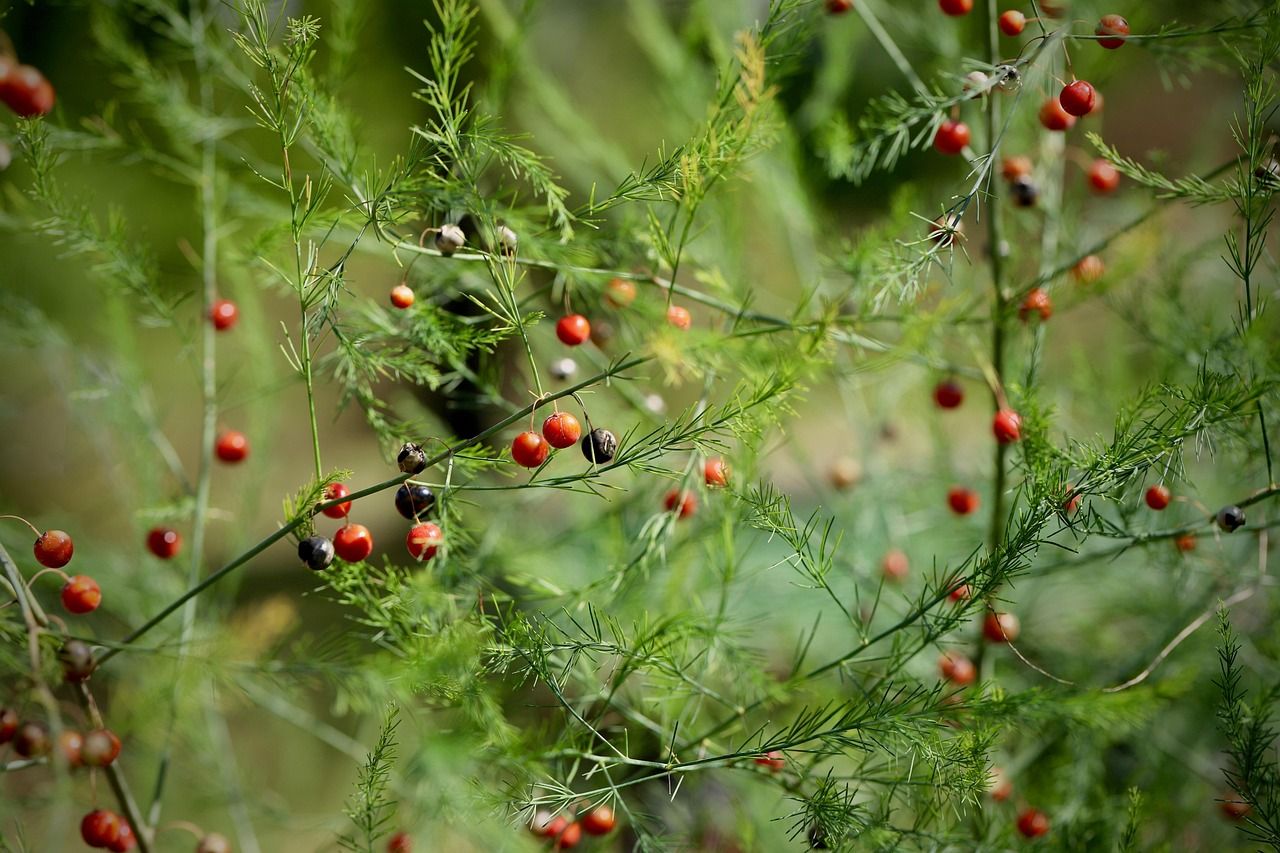
After the harvest season (or during the first two years when you aren't harvesting), the spears will grow into tall, feathery ferns. Do not cut these down! These ferns are essential for photosynthesis, sending energy back down to the roots for next year's crop. Only cut the ferns back to the ground once they have turned yellow or brown in the winter. In tropical parts of India where the plant might not go fully dormant, you may need to manually prune them back in December to force a short rest period.
Pest and Disease Control in India
Common pests include the asparagus beetle and aphids. In the Indian context, a simple spray of neem oil mixed with a little liquid soap is usually sufficient to handle these. Fungal diseases like rust can occur during the humid post-monsoon period. Ensure good air circulation by spacing your plants correctly and avoid overhead watering to keep the foliage dry. If you notice orange or black spots on the stems, prune the affected areas immediately and dispose of them away from your compost pile.
How to Grow Asparagus and Harvest Successfully
The hardest part of growing asparagus is the wait. You should not harvest any spears in the first year after planting the crowns. This allows the root system to become established. In the second year, you can harvest a few spears for about two weeks. By the third year, you can enjoy a full harvest season of six to eight weeks.
The Harvesting Technique
When the spears reach about 6 to 8 inches in height and are about as thick as your finger, they are ready. Use a sharp knife to cut the spear at the soil level or simply snap it off with your fingers. Be careful not to damage the emerging buds under the soil. Once the spears start becoming thinner (about the size of a pencil), stop harvesting and allow the remaining spears to grow into ferns. This ensures the plant remains healthy for the following year. Knowing how to grow asparagus and when to stop harvesting is the secret to a twenty-year lifespan for your patch.
Conclusion
Learning how to grow asparagus and integrating it into your Indian garden is a journey of patience and rewarding results. While the initial setup requires careful soil preparation and the first two years require restraint from harvesting, the eventual payoff is a consistent supply of a premium vegetable that is fresh, organic, and incredibly tasty. By following these steps and adapting them to your local climate, you can enjoy the luxury of homegrown asparagus right from your own backyard. Whether you stir-fry them with a bit of garlic or toss them in a traditional Indian salad, the satisfaction of eating something you have nurtured for years is incomparable.
Can asparagus grow in hot Indian climates?
Yes, asparagus can grow in hot climates if provided with afternoon shade and consistent moisture. In very hot areas, the harvest season may be shorter, and the plants require more mulching to keep the roots cool.
How long does it take to get the first harvest?
If starting from crowns, you should wait until the second year for a light harvest and the third year for a full harvest. If starting from seeds, it takes an additional year to establish the root system.
Is it better to grow from seeds or crowns?
For Indian gardeners, starting with one-year-old crowns is highly recommended. It saves a year of growth time and usually results in a higher success rate than starting from delicate seeds.
Can I grow asparagus in pots?
Asparagus can be grown in large containers that are at least 15-20 inches deep and wide. However, because it is a long-term perennial with a large root system, it usually performs much better when planted directly in the ground.


