

Introduction to Growing Strawberries in India
The thought of biting into a juicy, sun-ripened strawberry often evokes images of the cool hills of Mahabaleshwar or the valleys of Himachal Pradesh. For a long time, many Indian home gardeners believed that these ruby-red delights were exclusive to high-altitude regions with chilly climates. However, with the advent of heat-tolerant varieties and improved gardening techniques, learning how to grow strawberries for home consumption or small-scale local sale has become entirely possible across most parts of India. Whether you have a sprawling backyard in Bangalore or a compact balcony in Mumbai, you can successfully harvest your own organic strawberries.
Growing strawberries is a rewarding experience that offers more than just fresh fruit. It provides a sense of accomplishment and ensures that the berries you consume are free from the heavy pesticides often used in commercial strawberry farming. In this comprehensive guide, we will walk through every step required to master the art of strawberry cultivation in the Indian context, focusing on the specific climate cycles and soil conditions found in our subcontinent.
Choosing the Right Strawberry Varieties for Indian Weather
The first step in understanding how to grow strawberries for a successful harvest is selecting a variety that can withstand local temperatures. Not all strawberries are the same. In India, we generally categorize them based on their sensitivity to day length and heat. The most common varieties that have shown excellent results in Indian plains and plateaus include Sweet Charlie and Chandler.
Sweet Charlie
This is perhaps the most popular variety for Indian home gardeners and commercial farmers alike. It is known for its high resistance to heat and its ability to fruit earlier than other varieties. The berries are medium to large, very sweet, and have a firm texture, making them ideal for the Indian winter-spring transition.
Chandler
Chandler is a high-yielding variety that produces large, cone-shaped fruits. While it requires slightly more care regarding water and temperature than Sweet Charlie, the flavor profile is exceptional. It is widely grown in the northern plains of India during the winter months.
Camarosa
If you live in a region that stays relatively cool for a longer period, Camarosa is an excellent choice. It produces large, dark red berries that are quite firm and have a long shelf life. Other notable mentions for Indian climates include Tioga and Ofra, both of which are robust and produce reliable yields.
The Ideal Planting Season in India
In most parts of India, strawberries are grown as an annual winter crop. The timing is crucial because the plant needs a period of cool weather to flower and set fruit, but it also requires bright sunlight to ripen the berries. For the northern and central plains, the ideal time to plant is between late September and early November. This allows the plants to establish themselves before the peak winter chill sets in.
In southern India or coastal regions where winters are mild, planting can occur in October. The goal is to ensure the fruiting period coincides with the months of January to March, when the temperatures are moderate. If you plant too late, the scorching heat of April and May will arrive before the plant finishes its production cycle, leading to stunted fruit and plant exhaustion.
Soil Preparation and Potting Mix
Strawberries are heavy feeders and require well-drained, nutrient-rich soil. They have a relatively shallow root system, which makes them susceptible to root rot if the water becomes stagnant. The ideal soil pH for strawberries is slightly acidic, ranging between 5.5 and 6.5.
The Perfect Potting Mix Recipe
If you are growing strawberries in pots or grow bags on a terrace, use a mix of 40 percent garden soil, 30 percent organic compost or well-rotted cow dung (gobar khaad), 20 percent cocopeat for moisture retention, and 10 percent sand or perlite for drainage. Adding a handful of neem cake powder is highly recommended to protect the roots from soil-borne pests and fungi, which are common in tropical climates.
Ground Planting
For those planting in the ground, ensure the site receives at least 6 to 8 hours of direct sunlight. Work the soil to a depth of at least 12 inches, removing any rocks or weeds. Incorporate a generous amount of organic matter to improve soil structure. Creating raised beds is a standard practice in strawberry farming as it ensures excellent drainage and prevents the fruit from sitting directly on damp soil.
How to Plant Strawberries: Seeds vs. Runners
While you can grow strawberries from seeds, it is a slow and often frustrating process for beginners. Strawberry seeds are tiny and require specific cold stratification to germinate. For the best results, most Indian gardeners prefer using runners or saplings. You can easily find these at local nurseries or online gardening stores during the autumn season.
The Importance of the Crown
The most critical aspect of planting a strawberry sapling is the placement of the crown. The crown is the thick, central part of the plant where the leaves and roots meet. If you bury the crown too deep, it will rot. If you plant it too high, the roots will dry out. Ensure the soil level is exactly at the midpoint of the crown. Firm the soil gently around the plant and water immediately to settle the roots.
Watering and Sunlight Requirements
Strawberries love the sun but dislike extreme heat. During the Indian winter, placing your plants in a spot that receives full morning sun and partial afternoon shade can be beneficial. In terms of watering, the soil should be kept consistently moist but never waterlogged.
In India, the frequency of watering will depend on your location. In drier regions like Rajasthan or Delhi, you might need to water every day or every other day. In more humid areas, watering twice a week might suffice. Always water at the base of the plant. Avoid getting water on the leaves or the ripening fruit, as this can lead to fungal infections like powdery mildew or grey mold.
The Role of Mulching
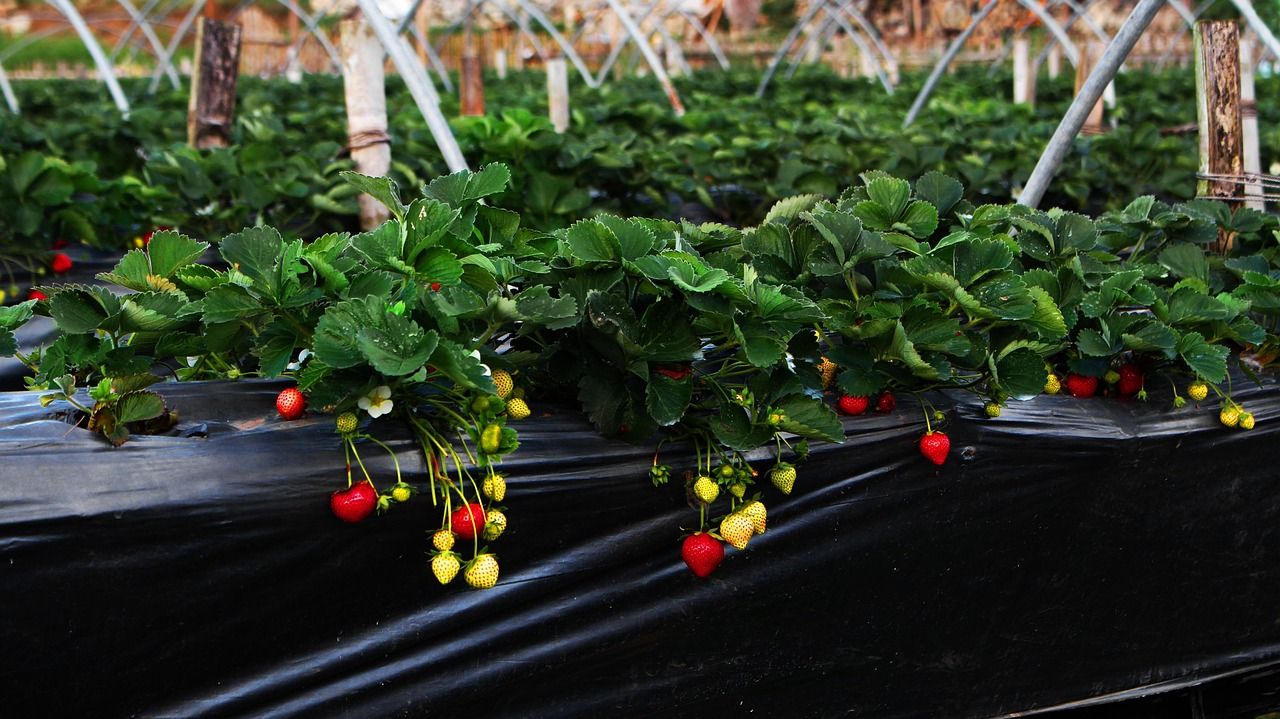
Mulching is a non-negotiable step when learning how to grow strawberries for high-quality yields. The name strawberry itself is thought to have come from the practice of placing straw under the berries. Mulching serves three main purposes: it keeps the soil moist and cool, it prevents weeds from competing with your plants, and most importantly, it keeps the delicate fruit off the soil.
When the fruit touches the soil, it is prone to rotting and attacks from soil insects. In India, you can use dried grass, rice straw, or even black plastic mulch. Apply the mulch once the plant starts showing its first few flowers. Gently tuck the material under the leaves so that the developing berries rest on the mulch rather than the bare earth.
Fertilization for Maximum Yield
Since strawberries produce a lot of fruit in a short window, they require a steady supply of nutrients. Start with a soil rich in organic matter. Once the plants begin their active growth phase, you can apply a balanced liquid fertilizer every 15 days. Seaweed extract or fermented compost tea works wonders for strawberry plants in Indian conditions.
As the plant starts flowering, shift to a fertilizer higher in potassium to encourage fruit development and sweetness. Avoid excessive nitrogen at this stage, as it will lead to lush green leaves but very few berries. Natural wood ash is a great organic source of potassium that can be sprinkled sparingly around the base of the plants.
Managing Pests and Diseases in the Indian Garden
The most common pests you will encounter are aphids, spider mites, and birds. Birds, in particular, love the bright red color of the berries. To protect your harvest, you can use bird netting or place shiny objects like old CDs around your garden to deter them.
For insect pests, a simple spray of neem oil mixed with a few drops of liquid soap is usually sufficient. Always apply this in the evening to avoid leaf burn. If you notice dark spots on the leaves or a fuzzy growth on the berries, reduce watering and ensure better air circulation around the plants, as these are signs of fungal issues common during the humid Indian spring.
Harvesting Your Home-Grown Strawberries
The moment of truth arrives when the berries turn from green to white and finally to a deep, vibrant red. Strawberries do not ripen much after being picked, so it is vital to leave them on the plant until they are fully colored. To harvest, use a pair of scissors to snip the stem about half an inch above the fruit. Pulling the berry by hand can damage the delicate plant and the crown.
In India, the peak harvest usually happens between February and April. Early morning is the best time to pick the berries when they are still cool from the night air. These home-grown fruits will have a much more intense aroma and flavor compared to the store-bought ones, which are often picked under-ripe for transport.
Conclusion
Learning how to grow strawberries for your family is a journey of patience and care. While the Indian climate presents unique challenges like sudden heatwaves or soil pests, the joy of harvesting a bowl of fresh berries from your own terrace is unparalleled. By choosing the right variety, timing your planting with the winter cycle, and being diligent with mulching and watering, you can turn your garden into a productive strawberry patch. Start small this season, and you will soon find that these beautiful red gems are easier to grow than you ever imagined.
What is the best month to plant strawberries in India?
The best time to plant strawberries in most parts of India is from late September to early November. This ensures that the plants grow during the cool winter months and provide fruit before the intense summer heat begins in April.
Can I grow strawberries in pots on my balcony?
Yes, strawberries are excellent candidates for container gardening. Because of their shallow root systems, they can thrive in pots that are at least 8 to 10 inches deep. Ensure the balcony receives at least 6 hours of sunlight and use a well-draining potting mix.
How long does it take for a strawberry plant to produce fruit?
When grown from saplings or runners, strawberry plants usually start flowering within 45 to 60 days of planting. You can expect to start harvesting ripe berries approximately 30 days after the flowers appear, depending on the weather and variety.
Do strawberry plants survive the Indian summer?
It is difficult for strawberry plants to survive the harsh Indian summer in the plains. While the plants might live if kept in complete shade and high humidity, their productivity drops significantly. Most gardeners in India treat them as an annual crop and replant fresh saplings every October.
Why are my strawberries not sweet?
Lack of sweetness is often due to insufficient sunlight or overwatering during the ripening stage. Ensure your plants get plenty of direct sun and reduce watering slightly once the berries start turning red to help concentrate the natural sugars.


