

Introduction to Planning the Perfect Indian Celebration
Planning a wedding in India is not just about organizing an event; it is about managing a festival of emotions, traditions, and massive logistical requirements. When you search for how to plan the ultimate wedding, you are looking for a way to balance the grandeur of Indian culture with the efficiency of modern project management. From the vibrant colors of the Mehendi ceremony to the solemn vows of the Pheras, every detail requires careful consideration. This guide is designed to help Indian couples and families navigate the complexities of wedding planning without losing their peace of mind. Whether you are dreaming of a destination wedding in Udaipur or a traditional ceremony in a metropolitan banquet hall, the principles of planning remain the same. The goal is to create an experience that is memorable for the couple and comfortable for the guests.
Establishing a Realistic Budget and Vision
The first step in understanding how to plan the ultimate celebration is to sit down with all stakeholders and define the budget. In the Indian context, weddings often involve financial contributions from parents and extended family, making it essential to have a transparent conversation early on. Start by categorizing your expenses into fixed and variable costs. Fixed costs include the venue and decor, while variable costs change based on the number of guests, such as catering and invitations. It is wise to set aside a contingency fund of at least ten percent of your total budget for unexpected expenses like last-minute transport or additional floral arrangements. Once the budget is clear, define the vision. Are you looking for a minimalist, eco-friendly wedding, or a high-glitz Bollywood-style production? Having a clear theme helps in making consistent decisions regarding everything from the invitation cards to the table settings.
Choosing the Right Date and Venue
In India, wedding dates are often dictated by the lunar calendar or specific Muhurats. However, choosing a date also involves considering the weather and guest availability. If you are planning an outdoor wedding in Delhi or Rajasthan, the winter months from November to February are ideal. Conversely, a wedding in Kerala or Goa might require avoiding the monsoon season. Once the date is narrowed down, the venue becomes the most critical decision. When thinking about how to plan the ultimate event space, consider the flow of different ceremonies. Does the venue have separate areas for the Haldi, Sangeet, and the main wedding? Ensure there is adequate parking, clean restrooms, and air conditioning or heating facilities as required. If it is a destination wedding, check the proximity to the nearest airport or railway station to make travel easy for your guests.
The Art of Curating the Guest List
Managing an Indian guest list is perhaps the most challenging part of the entire process. The pressure to invite distant relatives, colleagues, and neighbors can quickly lead to an unmanageable number of attendees. To master how to plan the ultimate guest list, categorize your list into three tiers: immediate family and close friends, extended relatives, and formal acquaintances. If the budget or venue capacity becomes an issue, you can prioritize the first two tiers. In the digital age, using online RSVP tools can significantly reduce the stress of tracking who is coming. Sending out Save the Date notifications at least six months in advance is crucial, especially for outstation guests who need to book travel and take leave from work.
Catering: The Heart of the Indian Wedding
If there is one thing guests remember about an Indian wedding, it is the food. To understand how to plan the ultimate menu, you must cater to a wide range of palates. Indian weddings usually require a mix of traditional regional dishes and international favorites. Consider having live counters for street food like Chaat, Pasta, or Dim Sums to keep the energy high during the Sangeet or Cocktail night. For the main wedding dinner, a balance of vegetarian and non-vegetarian options is standard in many communities. Don't forget to pay attention to food presentation and hygiene. A well-organized buffet with clear signage for allergens and dietary preferences (like Jain or Vegan options) shows that you care about your guests' experience.
Photography and Cinematography: Preserving Memories
Your wedding photos will last a lifetime, so choosing the right team is paramount. When looking at how to plan the ultimate photography session, look for professionals who specialize in candid shots as well as traditional portraits. Review their previous work to see if their style aligns with your vision. It is common practice in India to have a pre-wedding shoot, which serves as a great way to get comfortable with the photographer before the main events. Discuss the deliverables clearly, including the timeline for the edited photos and the wedding film. Ensure the team knows the key family members so no important moment or person is missed during the rush of the ceremonies.
Outfits, Jewelry, and Styling
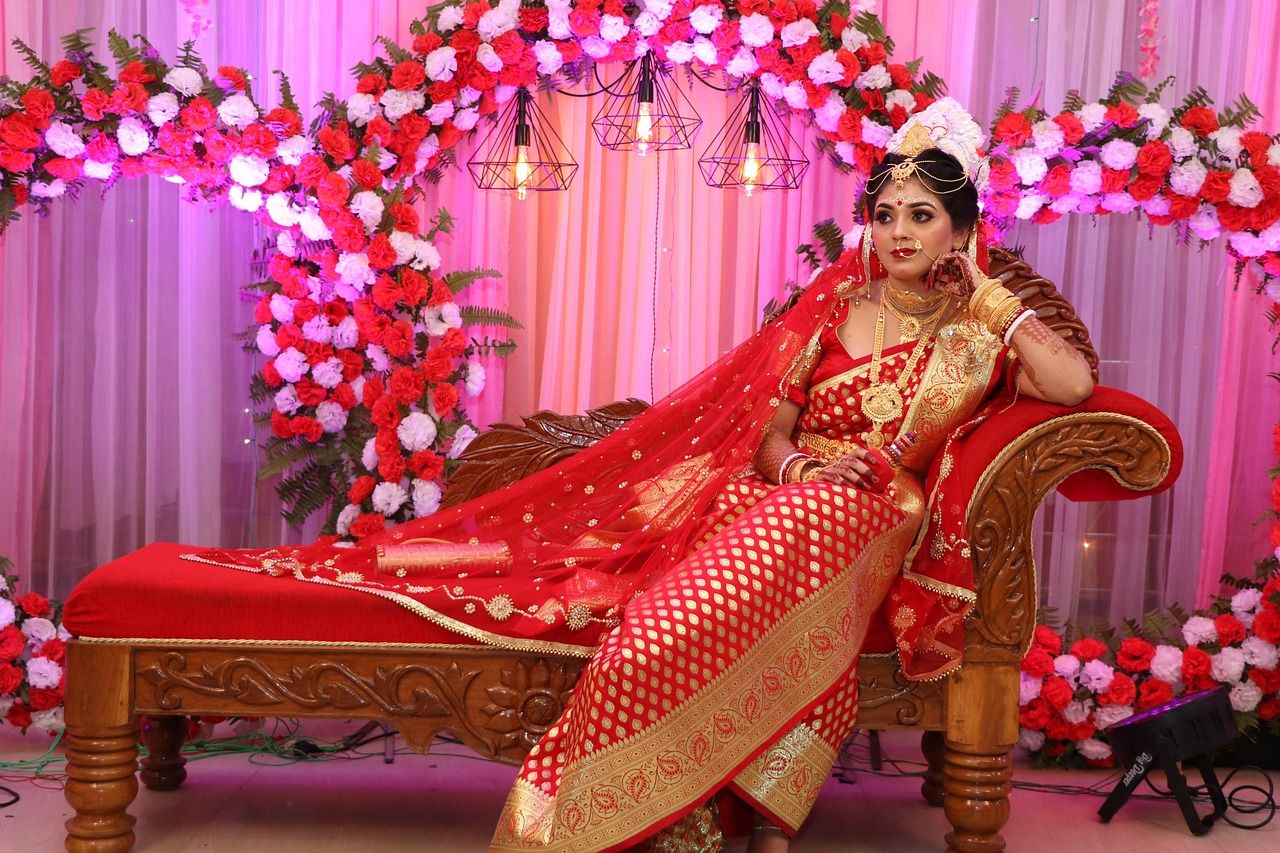
For the bride and groom, the wedding outfits are a reflection of their personality and heritage. Planning the ultimate wardrobe involves multiple outfits for different functions. While the heavy lehenga or sherwani is for the main day, the outfits for the Mehendi and Sangeet should be comfortable enough to move and dance in. Shopping in traditional hubs like Chandni Chowk in Delhi, Crawford Market in Mumbai, or T. Nagar in Chennai can offer a variety of options ranging from designer replicas to authentic handlooms. Remember to factor in time for multiple trials and alterations. Similarly, jewelry should complement the outfit without being too heavy to wear for several hours. Professional makeup artists should be booked months in advance, and a trial session is highly recommended to finalize the look.
Logistics and Guest Hospitality
Hospitality is a cornerstone of Indian culture. How to plan the ultimate guest experience depends largely on logistics. If you have guests coming from other cities, arrange for their pickup and drop-off. Create a 'welcome kit' for their hotel rooms containing snacks, a bottle of water, a copy of the wedding itinerary, and perhaps a small souvenir. Assign a dedicated hospitality team or a group of cousins to look after the needs of the elders. Effective communication is key; using a dedicated WhatsApp group or a wedding website to share location pins, timing updates, and dress codes can prevent a lot of confusion on the day of the event.
Entertainment and Atmosphere
An Indian wedding is incomplete without music and dance. For the Sangeet, you might want to hire a professional choreographer to help family members prepare their performances. When planning the ultimate entertainment lineup, consider a mix of a professional DJ, a live band, or even traditional folk performers to add a local touch. The decor plays a massive role in setting the atmosphere. Floral arrangements, lighting, and thematic elements should be cohesive across all events. Use lighting strategically to transform a simple hall into a magical space during the evening functions.
Final Checklist and Coordination
As the wedding date approaches, the focus shifts from planning to execution. How to plan the ultimate final week involves delegating tasks. The bride and groom should not be the ones coordinating with the florist or the caterer on the wedding day. Appoint a wedding coordinator or a trusted family member to be the point of contact for all vendors. Conduct a final walkthrough of the venue, confirm all timings, and ensure that the payments are organized in marked envelopes. Most importantly, remember to take moments to breathe and enjoy the process. The ultimate wedding is not just about perfection; it is about the joy of starting a new chapter with your partner surrounded by loved ones.
How far in advance should I start planning an Indian wedding?
It is ideal to start planning at least 9 to 12 months in advance. This gives you enough time to book popular venues and vendors who are often reserved a year ahead during the peak wedding season.
How do I manage a wedding budget without overspending?
Create a detailed spreadsheet and track every expense. Prioritize the elements that matter most to you, such as food or photography, and look for ways to save on secondary items like expensive physical invitations by using digital ones.
What are some ways to make a large Indian wedding feel personal?
You can personalize the event by including handwritten notes for guests, incorporating family heirlooms into your decor, or creating a menu that features dishes from the couple's favorite travel destinations or childhood memories.
Is hiring a wedding planner necessary for an Indian wedding?
While not strictly necessary, a wedding planner can be very helpful if you have a large guest list or are planning a destination wedding. They handle vendor negotiations and day-of coordination, allowing the family to enjoy the festivities.


