

Introduction to Your Yosemite Adventure
For many Indian travelers, a trip to the United States often begins with the bright lights of New York or the tech hubs of San Francisco. However, if you truly want to experience the soul of the American West, you must venture into the heart of the Sierra Nevada mountains. Yosemite National Park is not just a park; it is a sprawling masterpiece of granite cliffs, ancient giant sequoias, and waterfalls that drop from the heavens. Understanding how to see the yosemite effectively requires a bit of planning, especially when you are traveling from thousands of miles away. This guide is designed to help you navigate the logistics, the sights, and the unique cultural nuances of visiting one of the world's most famous natural wonders.
Understanding the Logistics: From India to California
The journey to Yosemite begins long before you set foot on a trail. For Indian citizens, the first step is securing a B1/B2 visitor visa. Once your paperwork is in order, your best bet is to fly into San Francisco International Airport (SFO) or San Jose International Airport (SJC). These hubs offer the most frequent connections from major Indian cities like Delhi, Mumbai, and Bengaluru, often with a single layover in cities like Dubai, London, or Tokyo.
From the airport, Yosemite is roughly a 4 to 5-hour drive. While public transport like the YARTS bus system exists, renting a car is the most practical way to see the park at your own pace. Remember that in the US, people drive on the right side of the road, which can be a bit of a transition for those used to Indian traffic. However, the highways are well-marked and generally much more organized than what you might be accustomed to back home.
Securing Your Entry: The Reservation System
A crucial part of learning how to see the yosemite in the modern era is understanding the reservation system. Due to extreme popularity, the National Park Service often implements a 'Peak Hours Plus' reservation system during the summer months and late spring. This means you cannot simply show up at the gate and expect to enter between 5:00 AM and 4:00 PM. You must book your entry ticket months in advance via the official government website. For Indian travelers who usually plan their international trips well ahead of time, this fits perfectly into the itinerary, but it is a step you cannot afford to skip.
The Best Time to Visit Yosemite
When you are deciding how to see the yosemite, timing is everything. Each season offers a vastly different experience. For Indian tourists who may be sensitive to extreme cold, late spring (May to June) is the absolute best time. This is when the snow melts from the high peaks, turning the waterfalls into thundering giants. The weather is pleasant, and the valley is lush and green.
Summer (July to August) is the busiest time. It can get quite hot, and the crowds can be overwhelming, reminiscent of a busy day at a hill station like Shimla or Ooty. Fall (September to October) offers a quieter experience with beautiful golden hues, though the waterfalls may dry up to a trickle. Winter is magical but requires experience driving in snow and the use of tire chains, which might be challenging for first-time visitors from warmer climates.
Must-See Landmarks in Yosemite Valley
The Valley floor is the heart of the park and where you will find the most iconic sights. Here is how to see the yosemite highlights in a structured way:
Tunnel View
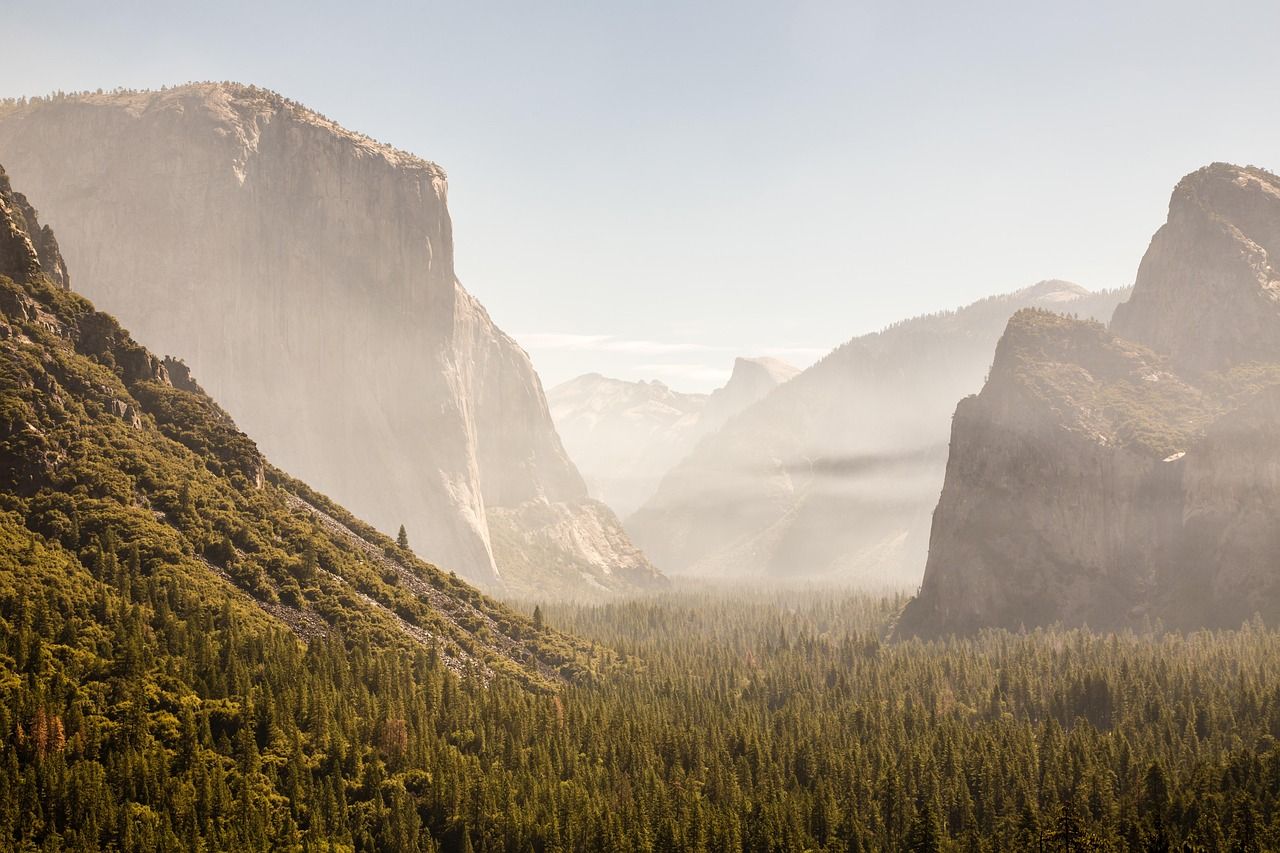
This is the classic postcard view. As you emerge from the Wawona Tunnel, the entire valley opens up before you. You will see El Capitan on the left, Half Dome in the center, and Bridalveil Fall on the right. It is a great spot for a family photograph and requires no hiking at all.
Yosemite Falls
As one of the tallest waterfalls in the world, this is a sight to behold. There is a very easy, paved loop trail to the base of Lower Yosemite Fall which is accessible for elders and children. The mist from the falling water is incredibly refreshing on a warm afternoon.
El Capitan
This massive granite monolith is a mecca for rock climbers. Even if you aren't a climber, sitting in the meadow at the base of El Capitan with a pair of binoculars to spot the tiny figures scaling the wall is a fascinating way to spend an hour.
Glacier Point
For the best aerial view of the park, drive up to Glacier Point. It offers a commanding view of Half Dome and the high country. It is particularly beautiful at sunset, as the granite glows with a pinkish hue known as 'alpenglow.'
Practical Tips for Indian Travelers
Traveling in the US wilderness is different from traveling in India. Here are some specific tips to make your trip smoother:
- Food and Dining: While there are food courts in Yosemite Village, the options are mostly American (burgers, pizzas, sandwiches). If you prefer vegetarian or Indian food, it is wise to carry ready-to-eat packets or dry snacks like thepla, khakhra, or biscuits. There are very few Indian restaurants within a 50-mile radius of the park entrance.
- Hydration and Altitude: Yosemite Valley is at a high elevation. Drink plenty of water to avoid altitude sickness. The air is much drier than in coastal Indian cities, so keep a lip balm and moisturizer handy.
- Wildlife Safety: You are in bear country. Never leave food in your car, as bears have a keen sense of smell and can easily break into vehicles. Use the bear-proof lockers provided at trailheads and campsites.
- Connectivity: Mobile network coverage is extremely spotty inside the park. Download offline maps (Google Maps) and print out your reservation confirmations before you leave your hotel in the city.
Accommodation: Where to Stay
Deciding where to stay is a big part of how to see the yosemite comfortably. Staying inside the park is the gold standard, but lodges like the Yosemite Valley Lodge or The Ahwahnee are very expensive and book out a year in advance. For a more budget-friendly option, look for hotels in 'gateway towns' like Mariposa, Oakhurst, or Groveland. These towns offer a variety of hotels and vacation rentals, and they provide a bit more in terms of dining options and grocery stores.
Conclusion
Seeing Yosemite is a transformative experience that stays with you long after you have returned to the busy streets of India. It is a place that humbles you with its scale and rejuvenates you with its pristine beauty. By planning your reservations early, choosing the right season, and preparing for the logistical differences of American travel, you can ensure that your journey to this natural cathedral is seamless and spectacular. Whether you are standing at the base of a giant sequoia or watching the sunset over Half Dome, Yosemite promises a connection with nature that is truly universal.
Do I need a separate permit to hike in Yosemite?
While a general entry reservation is needed to enter the park, most day hikes do not require a separate permit. However, if you plan to hike to the top of Half Dome or do any overnight backpacking, you must apply for a specific permit through a lottery system well in advance.
Are there vegetarian food options available in the park?
Yes, most cafeterias and restaurants in Yosemite Valley offer vegetarian options like veggie burgers, pasta, and salads. However, true Indian vegetarian food is rare, so bringing your own snacks or 'heat-and-eat' meals is highly recommended for those with strict dietary preferences.
How many days are enough to see Yosemite?
To see the main highlights of the Valley and Glacier Point, a minimum of two full days is recommended. If you want to include the Mariposa Grove of Giant Sequoias and some longer hikes, three to four days would be ideal to avoid rushing.
Can I visit Yosemite using public transport?
Yes, you can take the Amtrak train or Greyhound bus to Merced, and from there, take the YARTS (Yosemite Area Regional Transportation System) bus into the park. Once inside the valley, there is a free shuttle bus that stops at all the major sights and trailheads.


