

The Fragility and Strength of Democracy
In the heart of every Indian citizen lies a deep-rooted respect for the democratic process. From the long queues at polling booths in the heat of summer to the vibrant debates in local chai shops, democracy is more than just a system of governance; it is a shared identity. However, history teaches us that no democracy is immune to the rise of authoritarianism. Whether it happens through a sudden power grab or the slow erosion of institutional checks and balances, the question of how to stop a dictator is not just a theoretical exercise. It is a necessary survival manual for any free society. For those of us in India, a land that has seen the rigors of colonial rule and the challenges of the Emergency, understanding the mechanisms of resistance is part of our civic duty.
A dictator does not usually appear overnight with a crown. Often, they rise through the very systems they eventually seek to dismantle. They use the language of the people, promise security over liberty, and slowly turn the machinery of the state against its own citizens. To stop such a trajectory, one must understand both the psychology of power and the practical tools of democratic preservation. This guide explores how citizens can organize, utilize legal frameworks, and leverage the power of collective action to ensure that the will of the people remains supreme.
Identifying the Early Warning Signs
The first step in stopping a dictator is recognizing one before they have consolidated absolute power. Political scientists often speak of the boiling frog syndrome, where the heat is turned up so slowly that the public does not realize the danger until it is too late. In an Indian context, we must be vigilant about the health of our local and national institutions. One major sign is the systematic targeting of the media. When journalists are intimidated or when the state takes over the narrative, the truth becomes a casualty. Without an informed public, a dictator thrives.
Another warning sign is the cult of personality. When a political leader is portrayed as the sole savior of the nation, above the law and beyond criticism, the foundations of equality are shaken. This is often accompanied by the marginalization of minorities or the creation of an internal enemy. By dividing the population, an aspiring autocrat ensures that the people are too busy fighting each other to notice the loss of their collective rights. Recognizing these patterns early allows civil society to react before the legal and social costs of protest become prohibitively high.
The Power of Satyagraha: Non-Violent Resistance
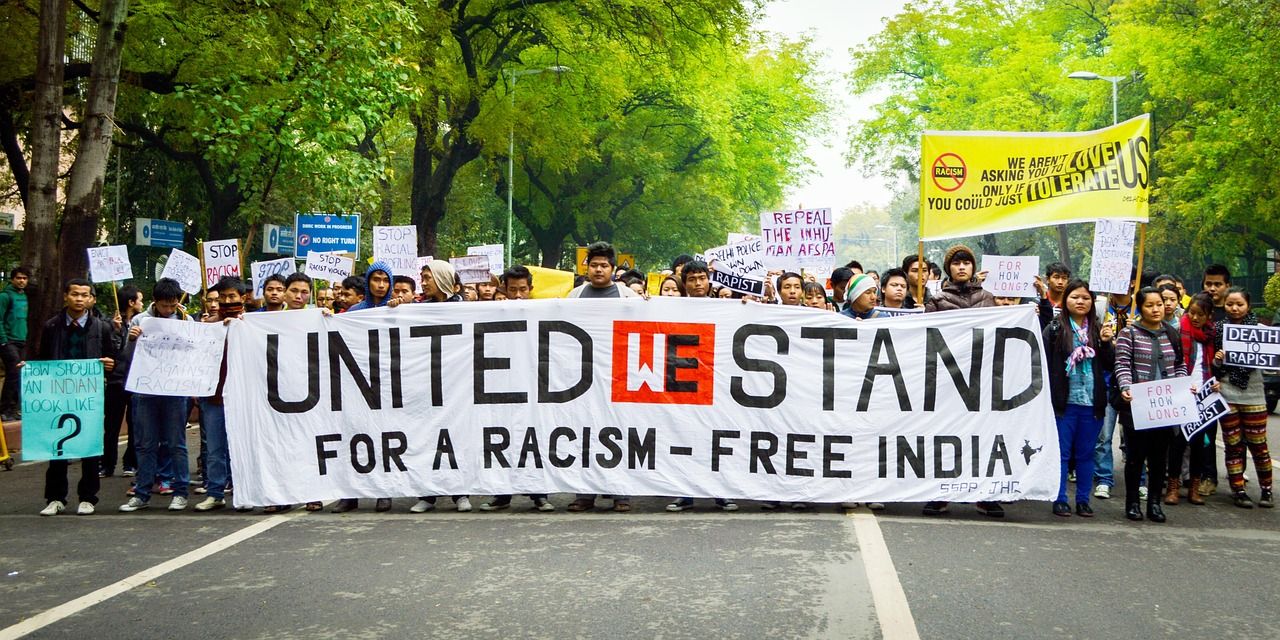
India has a unique and powerful legacy when it comes to resisting oppression. The principle of Satyagraha, or truth-force, championed by Mahatma Gandhi, remains the most effective blueprint for stopping a dictator. Non-violent resistance is not passive; it is an active, strategic, and courageous refusal to cooperate with injustice. History shows that non-violent movements are twice as likely to succeed as armed conflicts because they allow for broader participation. Grandparents, students, and workers can all participate in a peaceful march, whereas only a few can take up arms.
To stop a dictator, one must withdraw the pillars of support that keep them in power. No leader can rule alone; they require the cooperation of the police, the bureaucracy, the business elite, and the general public. When citizens engage in civil disobedience—such as boycotts, strikes, or peaceful sit-ins—they demonstrate that the leader’s power is an illusion that depends on the consent of the governed. In India, we have seen the power of peaceful protest in various movements, from the freedom struggle to modern-day environmental and social causes. These movements work because they claim the moral high ground and make the cost of repression too high for the regime to sustain.
Strengthening Institutional Safeguards
While the streets are a place for protest, the courtrooms and assembly halls are the fortifications of democracy. To stop a dictator, the independence of the judiciary is paramount. In India, the Supreme Court has often acted as the final arbiter of the Constitution, particularly through the Basic Structure Doctrine, which prevents the government from altering the core democratic essence of the nation. Supporting judicial independence means advocating for transparent appointments and standing against any attempts to intimidate judges.
Furthermore, the Election Commission must remain an impartial referee. A dictator’s favorite tool is the rigged election, which provides a veneer of legitimacy to an illegitimate rule. Citizens must demand absolute transparency in electoral processes, from the functioning of voting machines to the regulation of campaign finance. Protecting the right to vote and ensuring every vote is counted is the most direct way to stop an autocrat at the ballot box. We must also support the Right to Information (RTI), which acts as a flashlight in the dark corridors of power, exposing the corruption that often fuels authoritarian regimes.
The Digital Battlefield and Media Literacy
In the 21st century, the battle for democracy is fought as much on smartphones as it is in the streets. Dictators use misinformation and algorithms to flood the public square with lies, creating a state of confusion where people give up on finding the truth. To stop a dictator, we must become sophisticated consumers of information. This means verifying sources, supporting independent digital news outlets, and refusing to share unverified rumors that incite hatred.
Digital activism also allows for rapid mobilization. Social media can be used to document human rights abuses in real-time, making it harder for a regime to hide its actions from the global community. However, we must also be aware of the risks of digital surveillance. Using encrypted communication and protecting our digital privacy are essential skills for activists. In a country like India, with a massive youth population online, the ability to build digital communities based on facts and constitutional values is a potent weapon against authoritarian narratives.
Building Grassroots Coalitions and Local Resilience
Dictators thrive on the isolation of individuals. They want you to feel that you are alone in your dissent. To counter this, we must build broad-based coalitions that cross the lines of caste, religion, and geography. In India, our diversity is our greatest strength against a monolithic dictatorship. When farmers, laborers, tech professionals, and students stand together, they create a force that is impossible to ignore. Local governance, such as Panchayati Raj institutions, also plays a crucial role. By strengthening democracy at the village and municipal levels, we create multiple layers of resistance that a centralizing dictator cannot easily crush.
Education is another long-term strategy. We must teach the next generation not just how to follow rules, but how to think critically and value the rights of others. A dictator wants a population of followers; a democracy needs a population of leaders. Civic education that emphasizes the values of the Indian Constitution—justice, liberty, equality, and fraternity—is the best inoculation against the virus of authoritarianism.
The Role of the International Community
While the primary struggle against a dictator happens within the country, international pressure can provide vital support. Dictators often care about their global image and their access to international markets. Diaspora communities, like the vast Indian diaspora abroad, can play a significant role by lobbying foreign governments to hold the regime accountable for human rights violations. International organizations and sanctions can also squeeze the financial resources that a dictator uses to pay their enforcers. However, external help should always be secondary to the internal movement; the most sustainable change is that which is won by the people themselves.
Conclusion: The Eternal Vigilance
Stopping a dictator is not a one-time event but a continuous process of vigilance. As the saying goes, the price of liberty is eternal vigilance. We must be prepared to stand up for our neighbor’s rights even when our own are not yet under threat. In India, we have a long history of resilience and a Constitution that provides us with the tools to defend our freedom. By staying informed, organizing locally, and remaining committed to the principles of non-violence and truth, we can ensure that democracy remains the heartbeat of our nation. Power belongs to the people, and as long as we remember that, no dictator can truly win.
Can a single person really help stop a dictator?
Yes. Every movement starts with individuals who refuse to stay silent. Whether it is through writing, participating in a peaceful march, or simply educating one's own family, individual actions create the collective momentum needed to challenge authoritarian power.
What is the most effective way to protest without violence?
Non-cooperation is the most effective tool. This includes boycotting state-controlled media, peaceful strikes, and using legal channels like Public Interest Litigations (PILs) to challenge unconstitutional laws in court.
How do dictators usually gain control over a democracy?
They often exploit existing social divisions, discredit the independent press, and slowly weaken institutions like the judiciary and election commissions until there are no checks left on their power.
How can digital media be used to protect democracy?
Digital media allows for the rapid spread of suppressed information and the coordination of peaceful movements. It also provides a platform for independent journalists to report on issues that state-run media might ignore.
Why is institutional independence so important?
Institutions like the Supreme Court and the Election Commission act as the rules of the game. If they lose independence, the dictator can change the rules to ensure they never lose power, making it much harder for the public to effect change through regular means.


