

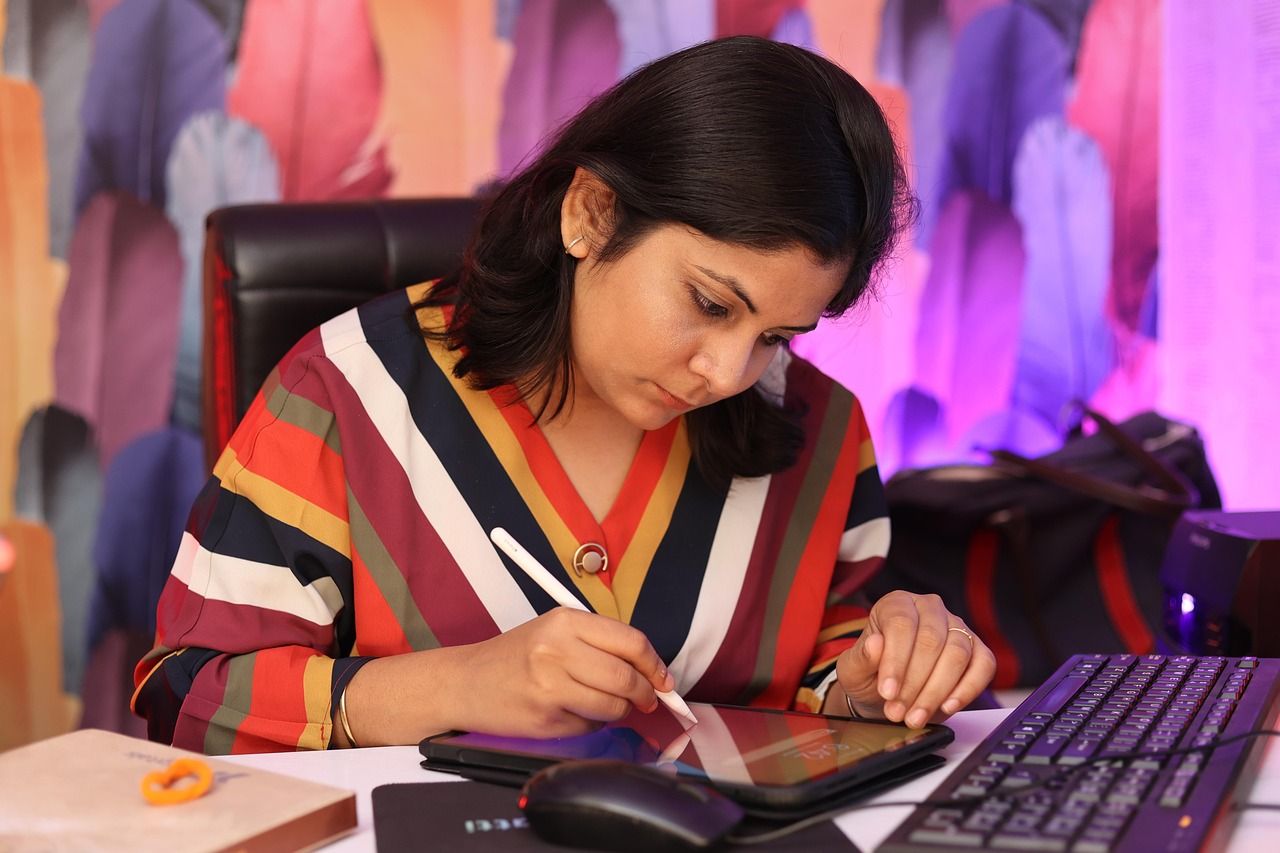
The Rise of the Indian Side Hustle Culture
In recent years, the Indian professional landscape has undergone a massive transformation. From the bustling tech hubs of Bangalore to the creative corners of Jaipur, people are no longer satisfied with a singular source of income. The desire for creative fulfillment and financial independence has led many to wonder how they can monetize their hobbies. If you have a skill or a hobby that you love, here’s how to turn your passion into a full-scale profitable venture in the Indian market.
The journey from a hobbyist to a business owner is often perceived as a daunting task, especially with the complexities of the Indian regulatory environment and the sheer competitiveness of the market. However, with the digital revolution and the widespread adoption of UPI and affordable internet, there has never been a better time to start. Whether you are a home baker, a freelance designer, or a fitness enthusiast, the opportunity to scale is immense if you follow a structured approach.
Step 1: Identifying the Market Gap in India
Before you dive headfirst into your business, you need to understand where your passion meets market demand. India is a diverse country with varying consumer behaviors across different states and tiers of cities. Here’s how to turn your initial idea into a validated concept: you must identify a specific problem you are solving for the Indian consumer.
Focus on Tier 2 and Tier 3 Cities
While the metros are saturated, much of India’s growth is coming from Tier 2 and Tier 3 cities. If your passion involves teaching, crafting, or providing a service, consider how you can cater to these growing markets. Localized content and services often perform better than generic, one-size-fits-all solutions. Researching local competitors on platforms like Justdial or Google Business Profile can give you insights into what is missing in your specific region.
Analyzing the Consumer Persona
Who is your ideal Indian customer? Are they a budget-conscious student, a busy working professional in Gurgaon, or a homemaker looking for organic products? Understanding the price sensitivity and value expectations of your target audience is crucial. In India, providing value-for-money is often more important than just offering a low price.
Step 2: Validating Your Idea with Minimal Investment
One of the biggest mistakes aspiring entrepreneurs make is investing too much capital upfront. In the Indian context, it is wiser to start lean. Here’s how to turn your vision into a reality without breaking the bank: use social media as your testing ground. Instagram and WhatsApp are not just communication tools in India; they are powerful business platforms.
- Create a dedicated business profile on Instagram and showcase your work.
- Use WhatsApp Business to interact directly with potential leads.
- Run small, targeted Facebook ads for as low as fifty or one hundred rupees a day to gauge interest.
- Join local Facebook groups and community forums relevant to your niche.
By getting your first few orders or clients through these low-cost channels, you validate that there is a genuine interest in what you are offering. This initial feedback loop allows you to refine your product or service based on real-world Indian customer preferences before you scale up.
Step 3: Navigating Legalities and Business Registration
To be taken seriously and to scale your business, you need to get your paperwork in order. The Indian government has made this significantly easier through various digital initiatives. Here’s how to turn your informal setup into a legitimate legal entity. Most small businesses in India start as a Sole Proprietorship, which is the easiest form to manage.
Udyam Registration for MSMEs
The first step for any small business owner should be registering on the Udyam portal. This MSME registration is free and provides several benefits, including easier access to bank loans, subsidies, and protection against delayed payments. It serves as a formal recognition of your business by the Ministry of Micro, Small and Medium Enterprises.
Understanding GST Requirements
Many beginners are afraid of GST, but it is not always mandatory from day one. Currently, if your annual turnover is below forty lakh rupees for goods or twenty lakh rupees for services, you may not be required to register for GST (subject to state-specific rules and inter-state trade regulations). However, having a GST number can make you look more professional to corporate clients and allow you to claim input tax credit.
Step 4: Building a Digital Presence and Brand Identity
In a country with over seven hundred million internet users, your digital identity is your storefront. Here’s how to turn your brand into a household name: focus on storytelling that resonates with Indian values. People in India buy from people they trust. Share the journey of how you started, the challenges you faced, and the local materials or talent you use.
Leveraging Local SEO
If your business has a physical location or serves a specific area, local SEO is vital. Ensure your business is listed on Google Maps. Encourage your early customers to leave reviews. In India, word-of-mouth is digital, and a high rating on Google can significantly drive footfall and inquiries.
The Power of Content Marketing
Content is king, but context is queen. Create content that addresses the specific needs of the Indian audience. For example, if you are selling skincare, talk about how your products handle the Indian humidity or pollution. Use a mix of English and regional languages (Hinglish) to create a more personal connection with your audience.
Step 5: Streamlining Payments and Logistics
Smooth operations are the backbone of any successful business. In India, the payment landscape is dominated by UPI. Here’s how to turn your payment collection into a seamless experience: integrate payment gateways like Razorpay or Instamojo. These platforms allow you to accept payments via credit cards, debit cards, net banking, and various UPI apps like PhonePe and Google Pay.
Managing Logistics within India
If you are selling physical products, logistics can be a challenge. Fortunately, aggregators like Shiprocket or Delhivery offer specialized services for small businesses. They provide pick-up services from your doorstep and deliver to the remotest pin codes in India. Offering Cash on Delivery (COD) is still very important in the Indian market to build trust with new customers, so ensure your logistics partner supports this feature.
Step 6: Scaling and Long-term Growth
Once the foundation is set, it is time to think about growth. Here’s how to turn your steady income into a scalable business: reinvest your profits into marketing and talent. You cannot do everything yourself. Consider hiring freelancers for tasks like social media management, accounting, or customer service. This allows you to focus on the core strategy and product development.
Network with other Indian entrepreneurs. Attending startup meetups or joining digital communities like LinkedIn can provide mentorship and partnership opportunities. The Indian startup ecosystem is very supportive of new entrants, and a single right connection can open doors to distributors, investors, or large-scale clients.
Conclusion
Turning a passion into a business in India is a journey of persistence and adaptation. The market is vast, the tools are accessible, and the audience is eager for quality and authenticity. By starting small, validating your ideas, handling legalities early, and leveraging the power of digital India, you can build something that not only provides financial rewards but also creates a lasting impact. Remember, every major Indian brand started as a small idea. With the right approach, your passion can be the next big success story in the Indian entrepreneurial landscape.
Do I need a large amount of capital to start a business in India?
No, many successful Indian businesses start as lean operations with minimal investment. By using social media for marketing and starting from home, you can keep initial costs very low and reinvest profits as you grow.
Is it necessary to have an office space immediately?
For most service-based or digital product businesses, a physical office is not necessary at the start. You can operate as a home-based business and use co-working spaces in cities like Delhi, Mumbai, or Bangalore if you need a professional meeting environment occasionally.
How can I protect my brand name in India?
You should consider filing for a Trademark through the Controller General of Patents, Designs and Trademarks. This ensures that no one else can use your brand name or logo in the same industry, providing you with legal protection as your business grows.
What are the most effective ways to market to Indian consumers?
Social media marketing via Instagram and Facebook is highly effective. Additionally, leveraging WhatsApp for direct communication and building a community around your brand can create high customer loyalty in the Indian market.


