

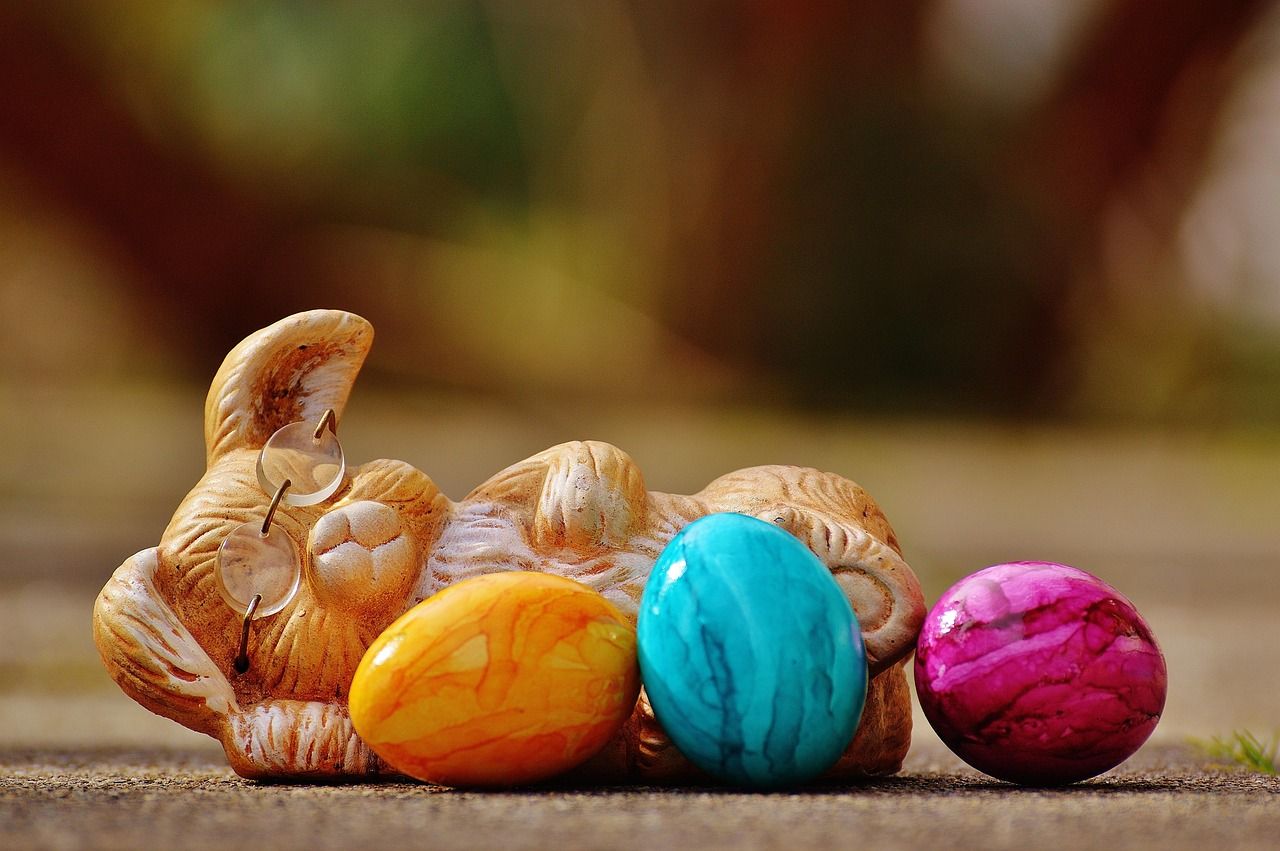
The Joy of Easter Traditions in India
Easter in India is a vibrant celebration that brings families together across various states, from the coastal regions of Kerala and Goa to the bustling streets of Mumbai and the Northeast. While the day is marked by solemn prayers and delicious feasts featuring appam and stew or vindaloo, the tradition of decorating eggs remains a beloved activity for children and adults alike. Learning how to dye your easter eggs is not just a craft project; it is a way to create memories and add a personalized touch to your festive decor. Whether you are a parent looking to engage your kids or someone who wants to create a beautiful centerpiece for your Sunday brunch, this guide will walk you through the entire process using items easily found in your Indian kitchen.
Preparation: What You Need to Get Started
Before you begin the process of dyeing, you need to gather your supplies. In India, most of us have access to both white eggs and brown eggs. For the most vibrant results, white eggs are preferred because they act as a blank canvas, allowing the colors to pop. However, do not dismiss brown eggs; they can produce deep, jewel-toned hues that look incredibly sophisticated. Here is a list of essential items you will need for your egg-dyeing session.
- Fresh white or brown eggs
- White vinegar (essential for setting the color)
- A variety of small bowls or glasses
- A slotted spoon or tongs
- Paper towels or an old cloth
- Coconut oil or vegetable oil for a finishing shine
- Natural or food-grade coloring agents
Choosing the Right Eggs
In many Indian local markets, you will find 'desi' eggs which are usually brown and 'farm' eggs which are white. If you want bright neon or pastel shades, head to your local supermarket to specifically look for white-shelled eggs. Ensure the eggs are at room temperature before you start boiling them to prevent cracking. Always check for any hairline fractures before beginning, as the dye will seep inside and stain the egg white if there is a crack.
Natural Dyeing: Using Your Indian Spice Box
One of the most sustainable and beautiful ways to approach the question of how to dye your easter eggs is by using natural ingredients. Your kitchen is already stocked with powerful pigments that can create a stunning palette of colors. Using natural dyes is also a safer option if you plan on eating the eggs later or if you have young children involved in the process.
Vibrant Yellow with Turmeric (Haldi)
Turmeric is perhaps the most effective natural dye available in Indian households. To achieve a bright, sun-kissed yellow, add two tablespoons of turmeric powder to a cup of boiling water. Add a teaspoon of vinegar and let it simmer for a few minutes. Once the liquid cools slightly, submerge your hard-boiled egg. The longer it stays in, the more intense the yellow will become.
Blushing Pink with Beetroot
Beetroot is readily available in Indian vegetable markets and produces a range of pinks to deep maroons. Grate one medium-sized beetroot and boil it with two cups of water. Strain the liquid, add vinegar, and soak your eggs. For a light pastel pink, a ten-minute soak is enough. For a deep magenta, leave the eggs in the refrigerator submerged in the liquid overnight.
Earthy Oranges with Onion Skins
Do not throw away those papery skins from your red onions. Boiling a handful of onion skins in water creates a rich, terracotta orange dye. This is a traditional European method that works wonderfully with the types of onions we use in India. It creates an organic, marbled look that is very trendy in modern home decor.
Serene Blues with Purple Cabbage
This is often the most surprising result for beginners. While the cabbage is purple, the dye it produces turns white eggs a beautiful shade of robin's egg blue. Simply chop half a head of red/purple cabbage, boil it, strain the liquid, and add the mandatory vinegar. This process takes a bit longer, so plan for at least four hours of soaking time to see the blue emerge.
Step-by-Step Instructions for Perfect Results
Once you have decided on your colors, follow these steps to ensure a smooth experience. The key to successful dyeing is patience and preparation.
Step 1: Hard-Boil the Eggs
Place your eggs in a single layer in a pot and cover them with water. Bring the water to a boil, then turn off the heat and cover the pot. Let them sit for about 12 minutes. Transfer the eggs to a bowl of ice water to stop the cooking process. This ensures the yolks stay yellow and do not develop that unappealing grey ring.
Step 2: Prepare the Dye Baths
In separate bowls, mix your dye. If you are using store-bought food coloring, use about 10 to 20 drops per cup of warm water, along with one tablespoon of white vinegar. If you are using the natural methods mentioned above, ensure the liquids have cooled to room temperature before adding the eggs.
Step 3: The Dyeing Process
Lower the eggs into the dye using a slotted spoon. Avoid dropping them in, as they might hit the bottom and crack. Let them sit undisturbed. You can check the color periodically by lifting them slightly. Remember that the color will look a shade or two lighter once the egg dries.
Step 4: Drying and Polishing
Once you are happy with the color, remove the eggs and place them in an egg carton or on a wire rack to dry. Avoid wiping them with a towel while wet, as this can smudge the dye. Once they are completely dry, take a drop of coconut oil on a soft cloth and gently rub it over the shell. This gives them a professional, glossy finish that makes the colors stand out.
Creative Indian-Inspired Patterns
Since you are learning how to dye your easter eggs at home, why not add some local flair? You can use common household items to create intricate patterns that mimic traditional Indian art forms.
Rubber Band Resist
Wrap several rubber bands around the egg in different directions before dipping it into the dye. The areas under the rubber bands will remain white (or the color of the previous dye bath), creating a cool geometric pattern that looks like batik work.
Rice Texture Method
Fill a small container with dry basmati rice and add a few drops of liquid food coloring. Place a hard-boiled egg inside, close the lid, and shake gently. The rice will create a speckled, mosaic effect on the shell that resembles fine stone work or traditional 'jali' patterns.
Leaf Prints
Find small, interestingly shaped leaves from your garden, such as coriander or mint leaves. Press the leaf against the egg and wrap the egg tightly in a piece of old nylon stocking or muslin cloth. Secure it with a thread and dip it into the dye. When you remove the cloth and the leaf, a beautiful white silhouette of the leaf will remain on the colored egg.
Tips for Success
If you find the colors are not sticking, it might be because the egg has a waxy coating. Washing the eggs with a little bit of mild soapy water before boiling can help the dye adhere better. Also, always remember that vinegar is your best friend in this process; it acts as a mordant that chemically bonds the dye to the calcium carbonate of the eggshell. Without vinegar, your colors will be pale and may wash off easily.
Conclusion
Learning how to dye your easter eggs is a rewarding experience that combines chemistry, art, and tradition. In an Indian context, using the natural dyes available in our kitchens not only makes the activity eco-friendly but also connects the celebration to our local environment. Whether you choose the bright yellow of turmeric or the deep blue of cabbage, these decorated eggs will surely bring a sense of joy and accomplishment to your Easter Sunday. Spend this time with your loved ones, experiment with different shades, and most importantly, have fun creating something beautiful for the festive season.
Which eggs are better for dyeing, white or brown?
White eggs are generally better if you want bright, vibrant, or pastel colors. Brown eggs work well for deep, earthy tones and jewel colors like dark red or forest green.
How long can I keep dyed eggs?
If you have used food-safe dyes and kept the eggs refrigerated, they are safe to eat for up to one week. If the eggs have been left at room temperature for more than two hours for decoration purposes, it is best not to consume them.
Can I use regular ink or acrylic paint?
While you can use acrylic paint for eggs that are purely for decoration, it is not recommended if you plan to eat the eggs. The shell is porous, and chemicals from non-food-grade paints can seep into the egg white.
What if I don't have white vinegar?
Vinegar is crucial for the dyeing process. If you do not have white vinegar, you can try using apple cider vinegar or lemon juice, though white vinegar typically yields the most consistent and vibrant results.


