

Introduction to Growing Edamame at Home
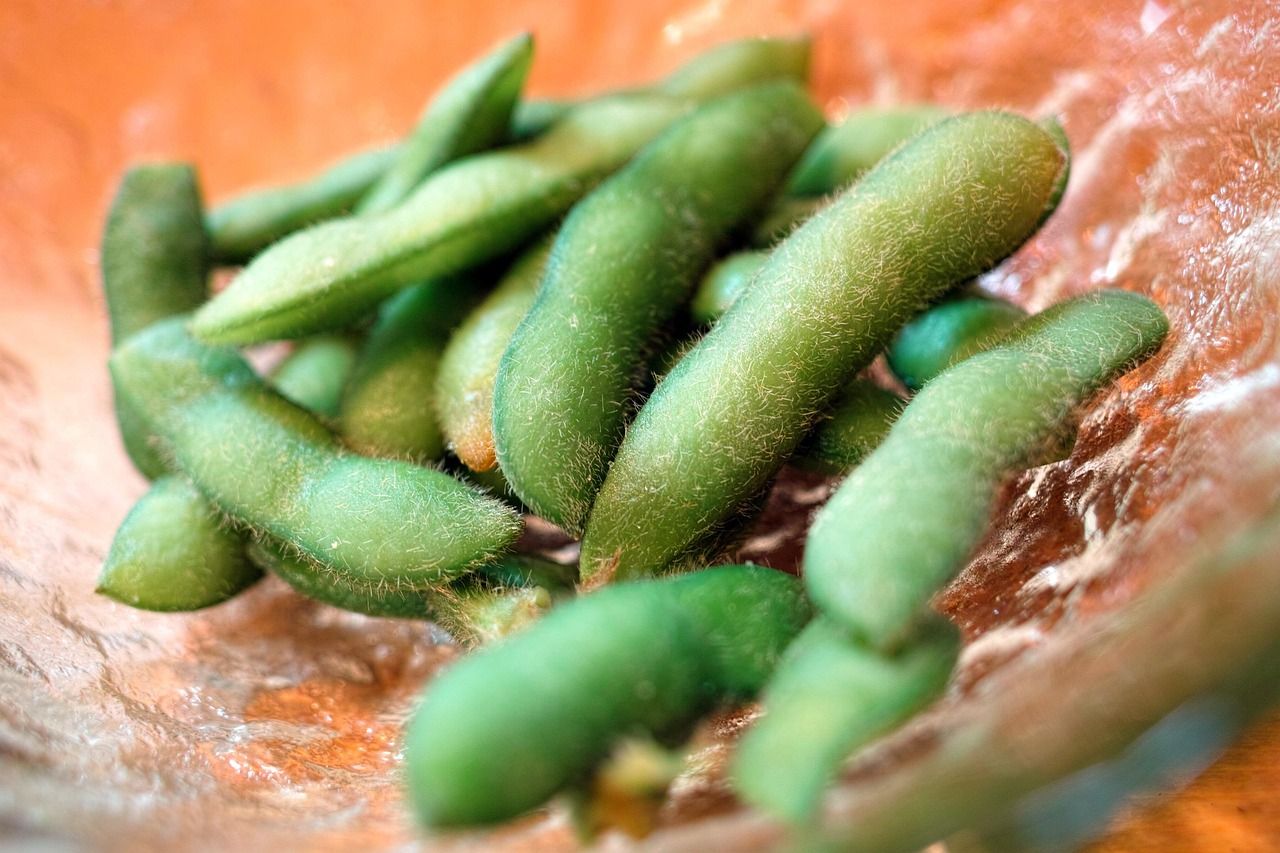
Edamame, the vibrant green pods often served as a nutritious snack in Japanese restaurants, has gained immense popularity across India. Whether you are in a bustling apartment in Mumbai or a cozy home in Bangalore, the desire for fresh, organic produce is at an all-time high. While edamame is traditionally grown in large agricultural fields, many Indian urban gardeners are discovering that these protein-rich legumes can actually thrive indoors. Growing edamame indoors allows you to bypass the challenges of unpredictable monsoons or the scorching summer heat that can often stress outdoor crops. In this guide, we will walk through every step required to successfully cultivate edamame within the four walls of your home.
Understanding Edamame: What is it Exactly?
For those new to the term, edamame is simply the name for immature soybeans harvested before they ripen and harden. In India, we are very familiar with dried soybeans used for chunks or flour, but edamame is the fresh, green version. Because they are harvested early, they maintain a sweet, nutty flavor and a buttery texture. Nutritionally, they are a powerhouse, offering high amounts of plant-based protein, fiber, and essential vitamins, making them an excellent addition to the Indian vegetarian diet.
Choosing the Right Variety for Indoor Growth
When you decide to grow edamame indoors, the variety you choose is the foundation of your success. Most soybean plants fall into two categories: determinate and indeterminate. For indoor gardening, especially in smaller Indian homes, determinate or bush varieties are the best choice. These plants grow to a specific height, usually between 12 to 24 inches, and produce their pods all at once. This compact growth habit makes them perfect for containers and windowsills. Look for varieties labeled as early-maturing, as these usually transition from seed to harvest in about 70 to 90 days, which is ideal for the impatient home gardener.
Essential Supplies for Your Indoor Edamame Garden
To start your journey, you will need a few basic supplies. First, secure a high-quality potting mix. Avoid using regular garden soil from outside, as it is often too heavy and may contain pests or pathogens. Instead, look for a well-draining organic potting mix available at local nurseries or online. You will also need containers that are at least 8 to 10 inches deep. These containers must have drainage holes at the bottom to prevent root rot, a common issue in humid Indian climates. Lastly, since edamame are legumes, they benefit from a specific bacteria called rhizobium. You can purchase a soybean inoculant to coat your seeds before planting, which helps the plant fix nitrogen and grow more vigorously.
Setting Up the Perfect Indoor Environment
Light Requirements
Light is the most critical factor when growing edamame indoors. These plants are sun-lovers. In an Indian home, a south-facing window that receives at least 6 to 8 hours of direct sunlight is ideal. However, if your apartment does not get enough natural light, you will need to invest in LED grow lights. Position the lights about 6 inches above the tops of the plants and keep them on for 12 to 14 hours a day to mimic a bright summer sun.
Temperature and Humidity
Soybeans are warm-weather crops. They prefer temperatures between 21 degrees Celsius and 30 degrees Celsius. Fortunately, most Indian households stay within this range naturally. However, if you use air conditioning frequently, ensure your plants are not directly in the path of the cold draft. For humidity, edamame is relatively adaptable, but if your indoor air becomes very dry during the Delhi winters, a simple pebble tray with water or a room humidifier can help maintain the moisture levels the plants enjoy.
The Step-by-Step Sowing Process
Once you have your supplies ready, it is time to plant. Start by soaking your seeds in room-temperature water for about 2 to 4 hours to kickstart the germination process, but do not leave them too long or they might rot. Fill your containers with the potting mix, leaving about an inch of space at the top. Poke a hole approximately 1 inch deep and place two seeds in each hole. Covering them with soil, gently firm it down and water lightly. In the warm Indian climate, you should see sprouts emerging within 7 to 10 days. Once the seedlings are about 3 inches tall, remove the weaker one to allow the stronger plant enough space and nutrients to thrive.
Watering and Feeding Your Edamame Plants
Proper watering is a balancing act. The soil should be kept consistently moist but never waterlogged. Stick your finger an inch into the soil; if it feels dry, it is time to water. During the flowering and pod-filling stages, the plant will require more water, so be vigilant. As for nutrition, edamame is unique. Because they are legumes, they fix their own nitrogen from the air. Therefore, you should avoid high-nitrogen fertilizers, which will lead to lots of leaves but very few pods. Instead, use a balanced organic liquid fertilizer or a phosphorus-rich bone meal once every three weeks to support pod development. Local Indian options like seaweed liquid fertilizer or well-composted vermicompost are excellent choices.
Managing Pests and Diseases Indoors
One of the perks of growing indoors is fewer pests, but you are not entirely immune. Common indoor pests in India include spider mites and aphids. These tiny insects can suck the sap from your plants, causing yellowing leaves. Regularly inspect the undersides of the leaves. If you spot any intruders, a simple spray of diluted neem oil or a mild soap solution usually does the trick. Ensure there is good air circulation around your plants by not crowding them; this prevents fungal issues like powdery mildew, which can thrive in stagnant, humid air.
The Joy of Harvesting
Knowing when to harvest is the key to that perfect edamame taste. The pods are ready when they are bright green, plump, and about 2 to 3 inches long. You should be able to feel the individual beans inside. If the pods start to turn yellow, you have waited too long, and the beans will become starchy rather than sweet. To harvest, use a pair of scissors to snip the pods from the stem rather than pulling them, as the root system is delicate. Most indoor edamame plants will give you a significant harvest over a period of two weeks.
Cooking and Enjoying Your Harvest
Once harvested, edamame should be consumed or frozen quickly to maintain its flavor. The simplest way to prepare them is to boil or steam the pods in salted water for about 5 minutes. In India, you can add a local twist by tossing the steamed pods in a bit of chaat masala or a tempering of mustard seeds and curry leaves. Remember, you eat the beans inside, not the fuzzy outer pod!
Conclusion
Growing edamame indoors is a rewarding experience that brings a touch of green into your living space and fresh, healthy food to your table. While it requires some attention to light and watering, the process is straightforward enough for even a beginner gardener in India. By following these steps, you can enjoy the satisfaction of harvesting your own protein-packed snack right from your windowsill. Start small, stay consistent, and soon you will be enjoying the unmatched taste of home-grown indoor edamame.
How long does it take for edamame to grow indoors?
Typically, edamame takes between 70 to 90 days from the time of sowing to reach harvest maturity. This duration can vary slightly depending on the temperature and the amount of light the plant receives.
Can I grow edamame from the dried soybeans I buy at the local grocery store?
It is not recommended. Most grocery store soybeans are meant for consumption and may have been treated or dried in a way that prevents germination. It is best to purchase high-quality seeds specifically labeled for planting from a reputable garden center or online seed shop.
How many pods can I expect from one indoor plant?
An indoor bush-variety edamame plant can produce anywhere from 20 to 50 pods depending on the container size and how well the light and nutrient requirements are met.
Does edamame need a trellis if grown indoors?
If you choose a determinate or bush variety, a trellis is generally not needed as the plant stays short and sturdy. However, if the plant becomes heavy with pods, a small bamboo stake can provide helpful support.


