

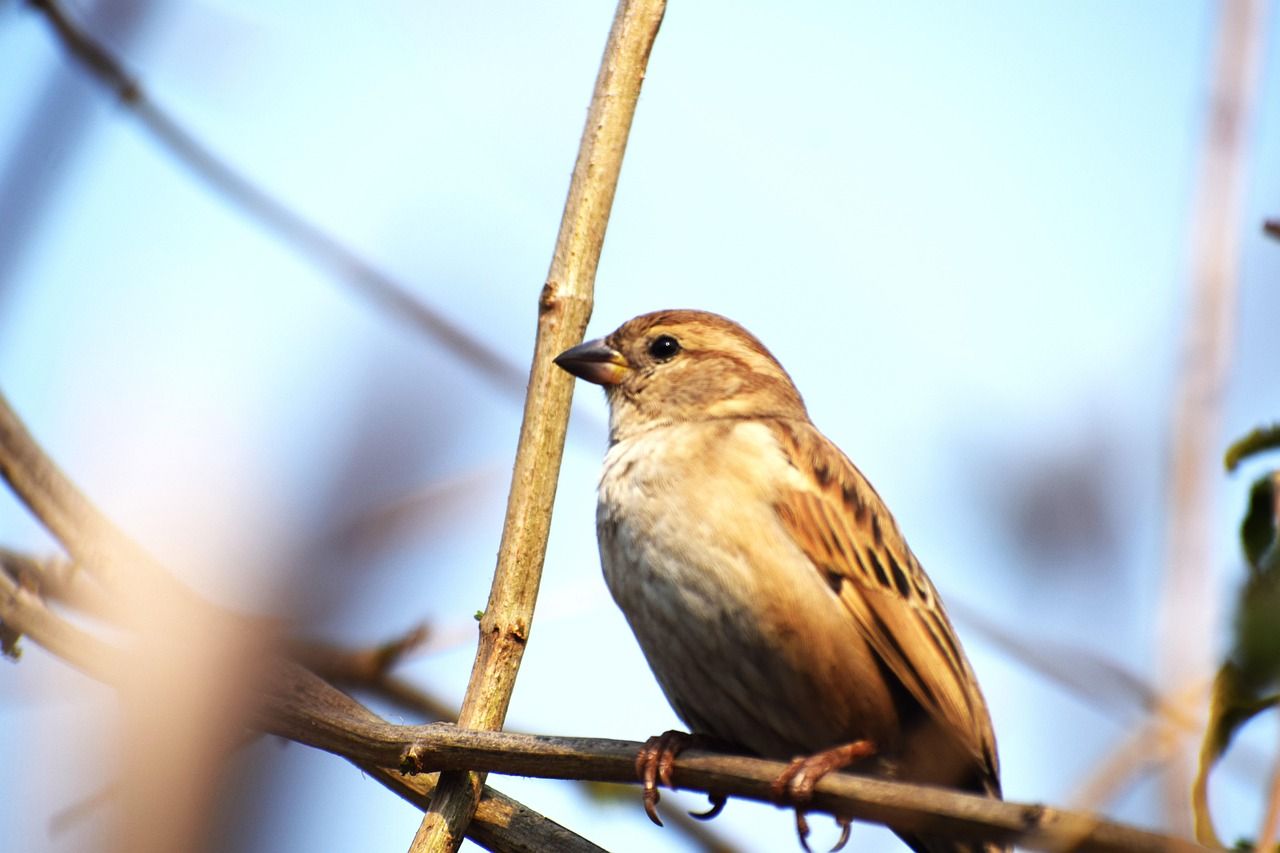
Protecting Our Natural Neighbors Throughout the Year
India is a land of incredible biodiversity. From the bustling streets of Delhi and Mumbai to the quiet villages in the Western Ghats, we live in close proximity to a vast array of wildlife. However, as urban spaces expand and climate patterns shift, our local wildlife faces increasing challenges. Whether it is the scorching heat of a May afternoon or the torrential downpours of the monsoon, animals and birds often struggle to find food, water, and safe shelter. Knowing how to help wildlife during these critical times is not just a gesture of kindness but a necessary step in maintaining our ecological balance.
Many people believe that helping wildlife requires living near a forest or a sanctuary. In reality, most of our wildlife interactions happen right in our backyards, balconies, and neighborhood parks. Small birds like sparrows and sunbirds, mammals like squirrels and fruit bats, and even various reptiles are part of our urban ecosystem. This guide provides practical, India-centric advice on how you can support these creatures throughout the changing seasons.
How to Help Wildlife During Extreme Heatwaves
The Indian summer is notorious for its intensity. With temperatures often crossing 40 degrees Celsius, dehydration and heatstroke are the biggest threats to urban wildlife. Birds and small mammals often struggle to find natural water sources that have dried up under the sun.
Provide Clean Water in Terracotta Bowls
The most effective way to help is by placing water bowls in accessible locations. Use terracotta or earthen bowls instead of plastic or metal ones. Clay pots keep the water cool through natural evaporation, which is much more refreshing for animals. Place these bowls on your balcony, terrace, or in a shaded corner of your garden. Ensure you change the water daily to prevent the breeding of mosquitoes and to keep the water fresh and hygienic.
Create Shaded Refuges
If you have a garden or a terrace, try to create shaded areas using potted plants or green nets. Birds often look for thick foliage to hide from the direct sun during the hottest parts of the day. Planting native shrubs like Henna (Mehendi) or Bougainvillea can provide excellent cover. For those in apartments, placing tall leafy plants on the balcony can offer a much-needed cooling spot for visiting sparrows or bulbuls.
Mud Puddling Spots for Butterflies
Butterflies often engage in a behavior called mud-puddling, where they gather nutrients and moisture from damp soil. You can help them by keeping a small patch of soil in your garden or a shallow tray filled with sand and water consistently damp. This simple act supports the local butterfly population during the dry months.
How to Help Wildlife During the Monsoon Season
While the rains bring relief from the heat, they also bring a different set of challenges. Heavy downpours can destroy nests, flood burrows, and make it difficult for birds to find dry food. Additionally, the monsoon is a time when many reptiles, including snakes, are displaced from their natural habitats.
Offer Dry Shelter and Feeding Stations
Heavy rain makes it difficult for birds to forage. You can install a bird feeder with a small roof or overhang to keep the seeds dry. High-protein seeds like sunflower seeds or even crushed grains can provide the energy birds need to maintain their body temperature during cold, wet spells. Ensure the feeding area is safe from predators like stray cats.
Handling Displaced Reptiles Responsibly
During the monsoons, it is common to find snakes or monitor lizards entering residential compounds to find higher, dry ground. It is crucial to remember that these animals are usually more scared of you than you are of them. Never attempt to handle or kill a snake. Instead, keep a safe distance and contact a local wildlife rescue organization or the forest department. In India, NGOs like Wildlife SOS or local animal welfare groups have trained rescuers who can safely relocate the animal.
Check for Fallen Nests
Strong winds and heavy rain often knock down nests. If you find a fallen nest with chicks, try to place it back in the tree if it is safe to do so. Parent birds will usually continue to care for their young even if the nest has been moved slightly. If the chicks appear injured or abandoned for several hours, contact a local veterinarian or wildlife rehabilitator for guidance.
How to Help Wildlife During the Winter Months
In Northern and Central India, winters can be quite harsh. Migratory birds arrive in large numbers during this time, and local wildlife needs to conserve energy to stay warm. While southern India has milder winters, the drop in temperature still affects the activity levels of various species.
Support Migratory and Local Birds
Winter is the peak season for bird watching in India. You can support both resident and migratory birds by maintaining a consistent supply of food. Suet balls or bird cakes made from natural fats and seeds can be very beneficial during cold snaps. Planting winter-flowering native plants like Marigolds or Hibiscus can also provide nectar for sunbirds and butterflies that remain active.
Provide Cozy Corners for Small Mammals
Squirrels and bats often seek out warm spots to sleep. If you have a backyard, leaving a pile of dry leaves or a stack of wood in a quiet corner can provide a natural insulation layer for small creatures. Avoid disturbing these areas until the weather warms up in the spring.
Long-term Strategies for Wildlife Support
Beyond seasonal help, there are several things you can do year-round to make your environment more wildlife-friendly. These long-term changes create a sustainable habitat that requires less emergency intervention.
Plant Native Indian Trees and Shrubs
Native plants are the backbone of the ecosystem. Trees like Neem, Peepal, Banyan, and Jamun provide food and nesting sites for hundreds of species. Even in small urban spaces, you can grow native flowering plants like Jasmine (Mogra) or Tulsi, which attract pollinators. Avoid exotic ornamental plants that offer no nutritional value to local wildlife.
Reduce the Use of Chemical Pesticides
Pesticides and herbicides kill the insects that birds and bats rely on for food. They can also lead to secondary poisoning in larger animals. Switch to organic gardening methods. For instance, using neem oil as a natural repellent is safer for the environment and the wildlife that visits your garden.
Responsible Waste Management
Open garbage dumps are a major hazard for wildlife. Animals like macaques and even deer in peri-urban areas often ingest plastic while searching for food scraps. Ensure that your waste is segregated and disposed of in closed bins. Avoid using thin plastic bags, which are easily swallowed and can cause fatal blockages in animals.
Minimize Light Pollution
Excessive outdoor lighting at night can disorient nocturnal animals like owls and bats. It can also interfere with the navigation of migratory birds. Use motion-sensor lights or downward-facing lamps to reduce skyglow. Keeping your balcony lights off when not needed helps maintain the natural rhythms of the night-time wildlife.
Coexisting with Urban Wildlife
In many Indian cities, we share space with larger animals like monkeys or, in some cases, leopards. Coexistence requires a balance of respect and caution. Never feed monkeys directly, as this encourages aggressive behavior and makes them dependent on human food, which is often unhealthy for them. Secure your windows with mesh if you live in a monkey-prone area, and keep your surroundings clean to avoid attracting scavengers.
Educating your local community is also vital. Start a conversation with your neighbors about the importance of leaving water out or protecting local trees. When a community works together, the impact on local wildlife is significantly magnified. Every small effort, from placing a bowl of water to planting a single sapling, contributes to a larger culture of conservation that is essential for India's future.
What should I do if I find an injured bird in my balcony?
Carefully place the bird in a ventilated cardboard box lined with a soft cloth. Keep it in a dark, quiet place to reduce stress. Do not force-feed it water or food. Immediately contact a local wildlife NGO or a veterinarian who specializes in avian care.
Is it safe to put out milk for stray cats and dogs to help wildlife?
While often done with good intentions, milk can cause digestive issues in many adult animals. For stray dogs and cats, it is better to provide fresh water and specific pet food. For wild animals, avoid human food entirely and stick to natural seeds, fruits, or water.
How can I prevent birds from hitting my glass windows?
Birds often fly into windows because they see a reflection of the sky or trees. You can prevent this by placing decals, stickers, or even hanging strings on the outside of the glass to break up the reflection and make the window visible to them.
Which native Indian plants are best for attracting butterflies?
Plants like Curry Leaf (Kadi Patta), Lemon, Oleander (Kaner), and various species of Milkweed are excellent for attracting butterflies and providing a place for them to lay eggs. These are well-suited to the Indian climate and easy to maintain.


