

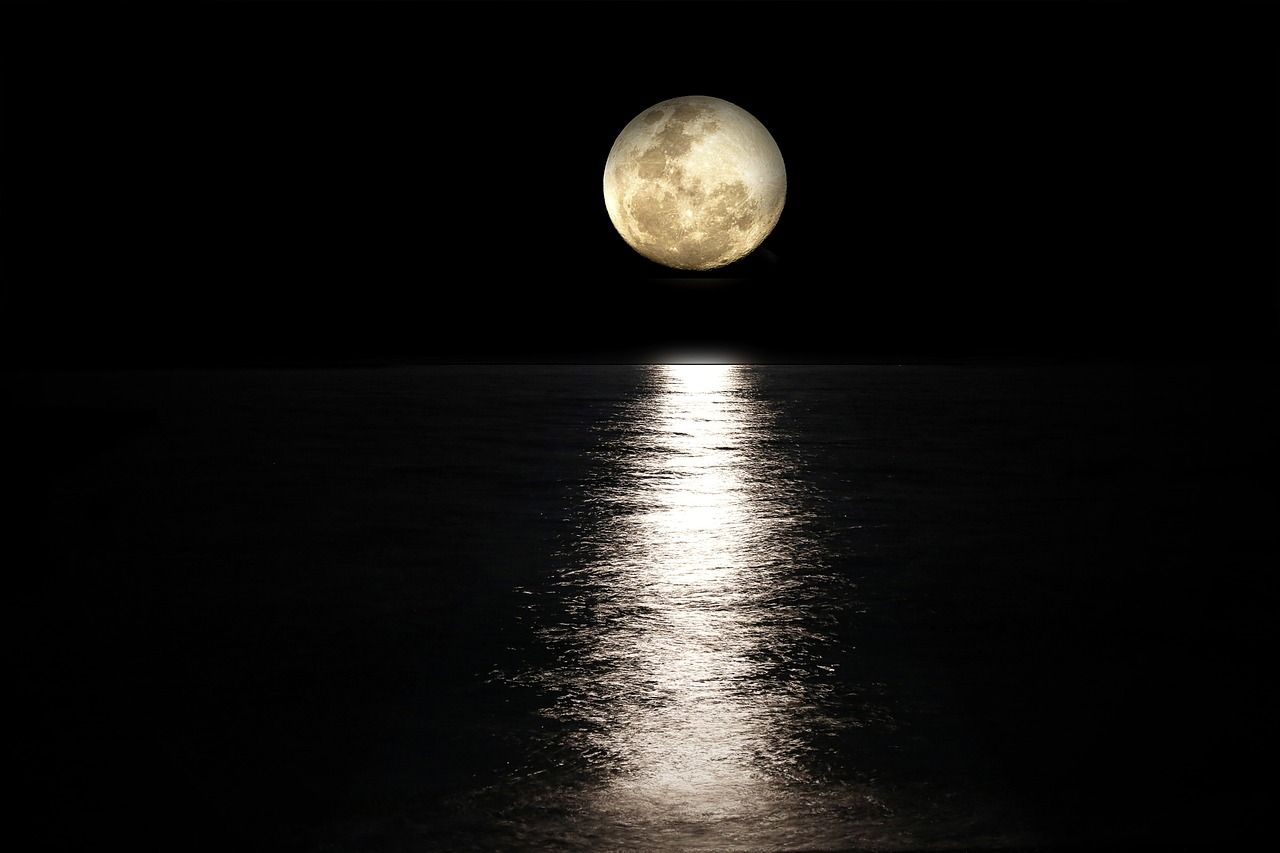
The Timeless Bond Between the Moon and the Indian Soul
In India, our relationship with the moon is not merely scientific; it is deeply emotional and cultural. From the stories of Chanda Mama whispered by grandmothers to the precise calculations of the Panchang, the moon is a constant companion in the Indian household. However, in the rush of modern life, with bright city lights and smartphone screens, many of us have lost that raw, intuitive connection with the night sky. Learning how to love the moon is about more than just looking at a celestial object; it is about reclaiming a sense of wonder and aligning yourself with the natural rhythms of the universe.
Loving the moon requires patience and a shift in perspective. It involves moving away from the fast-paced digital world and stepping into the quiet, silver glow of the night. Whether you are living in a high-rise apartment in Mumbai or a quiet home in a rural town, the moon remains a universal anchor. This guide will help you rediscover that connection through practical steps, cultural insights, and mindful practices tailored for the modern Indian context.
Reconnecting with the Lunar Cycles
The first step in learning how to love the moon is understanding its journey. In India, we have always followed the lunar calendar, dividing the month into Shukla Paksha (the waxing phase) and Krishna Paksha (the waning phase). To love the moon, you must first notice it. Most people only notice the moon when it is full, but there is immense beauty in the thin sliver of a crescent or the mysterious darkness of the New Moon (Amavasya).
Start a Moon Journal
One of the best ways to build a relationship with the moon is to keep a simple log. You do not need expensive equipment. Every night, spend five minutes on your balcony or terrace. Note down the shape of the moon, its position in the sky, and how you feel. Over time, you will begin to notice patterns in your own energy levels and moods that correspond with the lunar cycle. This practice grounds you in the present moment and makes the moon a regular part of your life.
Observe the Tithis
Instead of just following the Gregorian calendar, try to keep track of the Tithis. Understanding the significance of days like Ekadashi or Purnima helps you appreciate the moon's influence on Indian traditions and health practices. When you know why a certain day is celebrated, your gaze toward the moon becomes more meaningful and informed.
The Practice of Moon Bathing
While sunbathing is popular in the West, India has a long-standing tradition of moon bathing, especially during the festival of Sharad Purnima. Moon bathing, or Chandra Snan, is the practice of sitting under the moonlight to soak in its cooling and calming energy. After a long, hot day in the Indian summer, the moon provides a literal and metaphorical coolness that heals the spirit.
- Find a quiet spot on your terrace or in a garden where the moonlight is direct.
- Wear light-colored, breathable clothing, preferably white, to reflect the lunar energy.
- Sit in silence for 15 to 20 minutes, allowing the light to wash over you.
- Focus on your breath, inhaling the coolness and exhaling the heat and stress of the day.
This simple act can significantly reduce anxiety and help you develop a profound appreciation for the moon's gentle presence. It is a form of meditation that requires nothing but your presence and the open sky.
Bringing the Moon into Your Home
You do not always have to be outside to love the moon. You can bring its essence into your living space. In urban Indian environments where sky visibility might be limited by smog or tall buildings, creating a lunar-themed corner can serve as a constant reminder of your connection to the cosmos.
Lunar Decor and Art
Consider placing a moon lamp in your bedroom or hanging artwork that depicts different lunar phases. In Indian Vastu Shastra, the moon is associated with the North-West direction and represents the mind and emotions. Keeping this area clean and decorated with silver or white objects can enhance the lunar vibrations in your home. This visual cues prompt you to think about the moon even when it is hidden behind clouds.
Water Rituals
The moon has a powerful influence on water, controlling the tides of our oceans. You can honor this by placing a glass bowl of water under the moonlight overnight. In the morning, use this water to water your plants or simply wash your face. This ancient practice, often seen in various Indian rituals, symbolizes the infusion of lunar energy into our physical world.
Cultural Celebration as a Form of Love
In India, we have festivals dedicated to the moon throughout the year. Embracing these celebrations is a beautiful way to deepen your love for the lunar cycle. Whether it is the sighting of the crescent for Eid, the fasting of Karwa Chauth, or the communal prayers during Kartik Purnima, these events are opportunities to celebrate the moon collectively.
Celebrating Purnima
Full moon nights are particularly special. You can organize a small terrace gathering with family or friends. Traditional Indian snacks, light music, and the shared experience of watching the moon rise over the horizon create lasting memories. When you celebrate the moon with others, it strengthens the cultural bond and makes the experience more vibrant.
Storytelling and Folklore
Revisit the stories of the moon from Indian mythology. Read about the cooling nature of Chandra Deva or the various legends associated with the spots on the moon. Sharing these stories with the younger generation ensures that the love for the moon is passed down, keeping the tradition alive in a modern context.
Mindfulness and the Moon
Ultimately, learning how to love the moon is a journey of mindfulness. It is about slowing down enough to notice the changes in the sky. It is about acknowledging that we are part of a much larger system. In the busy streets of Delhi, Bangalore, or Kolkata, looking up at the moon provides a sense of perspective. It reminds us that no matter how chaotic our day was, there is a serene, unchanging beauty waiting for us at night.
Practice 'Moon Gazing' or Trataka on the moon. Gently fix your gaze on the moon and try not to blink for as long as comfortable. This practice is known to improve concentration and bring a sense of inner peace. As you stare at the silver disc, let your thoughts pass like clouds. This creates a direct, meditative link between your consciousness and the lunar energy.
The Emotional Impact of Loving the Moon
When you start to love the moon, you find that your relationship with yourself changes. The moon represents the subconscious, the feminine, and the intuitive side of our nature. By honoring the moon, you are essentially honoring these parts of yourself. In a society that often values logic and constant productivity, the moon gives you permission to be soft, to rest, and to reflect.
The moon teaches us that phases are natural. Just as the moon goes from darkness to full light and back again, our lives also have seasons of growth and retreat. This realization can be incredibly comforting during difficult times. If you are in a dark phase of your life, the moon reminds you that the light will eventually return.
Conclusion
To love the moon is to embrace the quiet, the dark, and the subtle. In the Indian context, it is a return to our roots and a way to find balance in a frantic world. By observing its cycles, practicing moon bathing, and celebrating its presence through our rich cultural heritage, we can build a relationship that nourishes the soul. Start tonight. Step outside, look up, and let the silver light tell you its ancient story. The moon has been waiting for you to notice her; all you have to do is look.
How can I see the moon if I live in a very polluted city?
Even in high-pollution areas, the moon is often bright enough to be seen through the haze, especially during the waxing and full moon phases. Try going to the highest accessible point, like a rooftop, and wait for the late hours of the night when the air is slightly clearer and city lights are dimmed.
What is the best time for moon bathing in India?
The most effective time for moon bathing is during the three days leading up to and including the Full Moon (Purnima). In India, the air is usually cooler after 9:00 PM, which is an ideal time to sit out and soak in the moonlight comfortably.
Is moon gazing safe for the eyes?
Yes, unlike sun gazing, moon gazing is perfectly safe because the moon does not emit its own light; it reflects sunlight at a much lower intensity. It is a traditional yogic practice called Trataka that can actually help soothe eye strain after a long day of looking at screens.
Do I need a telescope to love the moon?
Not at all. While a telescope or binoculars can show you beautiful details of the craters, loving the moon is about the emotional and spiritual connection. The naked eye is more than enough to appreciate its beauty, phases, and the calming effect it has on the environment.


