

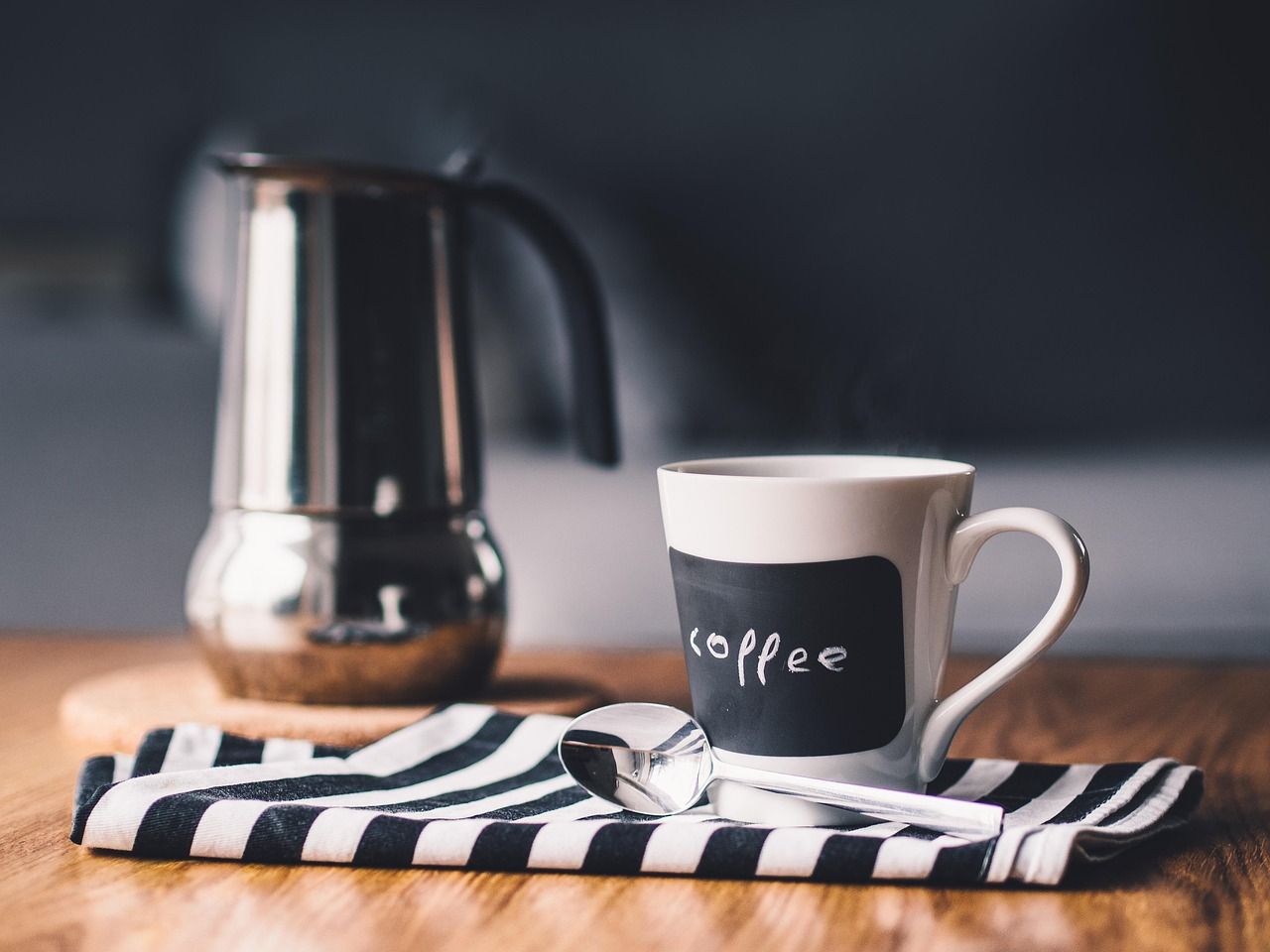
The Journey from Instant to Real Coffee
For decades, the average Indian household understood coffee as a spoonful of brown powder mixed with boiling milk and a lot of sugar. While instant coffee has its own nostalgic charm, there is a whole world of flavor waiting for you once you decide to step up your game. Making better coffee at home does not require you to be a professional barista or own a machine that costs as much as a small car. It is about understanding a few basic principles and making small, intentional changes to your daily ritual.
In India, we are witnessing a massive shift in coffee culture. From the traditional South Indian Filter Coffee to the specialty beans coming out of estates in Chikmagalur and Coorg, the Indian palate is evolving. If you have ever wondered why the coffee at your favorite specialty cafe tastes so much more vibrant, balanced, and aromatic than what you make in your kitchen, you are in the right place. Let us break down exactly how you can bridge that gap.
Start with the Right Beans
The single most important factor in the quality of your cup is the coffee bean itself. You cannot produce a world-class cup of coffee from stale or low-quality beans, regardless of how expensive your equipment is. In India, we are lucky to have access to some of the finest Arabica and Robusta beans in the world.
Whole Beans vs. Pre-ground Coffee
If you want to know how to make better coffee instantly, stop buying pre-ground coffee. Coffee begins to lose its aroma and flavor profile within minutes of being ground. When you buy a bag of pre-ground coffee, it has likely been sitting on a shelf for weeks, losing its volatile oils. Investing in a simple burr grinder and grinding your beans right before you brew will make a bigger difference than any other upgrade. You will notice notes of chocolate, fruit, and nuts that you never knew existed.
Understanding the Roast Date
Always check the roast date on the packaging. Freshness is key. Ideally, you want to use beans that were roasted between 7 to 30 days ago. Coffee that is too fresh needs a few days to degas, while coffee that is too old becomes flat and woody. Many Indian specialty roasters now deliver freshly roasted beans right to your doorstep, making it easier than ever to get high-quality produce.
Mastering the Water Quality
A cup of coffee is about 98 percent water. If your water tastes bad, your coffee will taste bad. In many Indian cities, tap water is quite hard and contains high levels of minerals and chlorine. Using tap water can lead to a metallic or harsh taste and can even damage your brewing equipment over time.
Use Filtered Water
The best way to improve your coffee is to use water from your RO (Reverse Osmosis) purifier or bottled water. You want water that is clean and neutral. However, do not use distilled water, as coffee needs a small amount of mineral content to extract the flavors properly. If your water is too soft, the coffee may taste flat; if it is too hard, it will taste chalky and muted.
Temperature Control
One of the most common mistakes is using boiling water. When you pour 100-degree Celsius water directly onto coffee grounds, you scald them, leading to a bitter and burnt taste. For most brewing methods, the ideal water temperature is between 90 to 96 degrees Celsius. If you do not have a thermometer, simply bring the water to a boil and let it sit for about 60 to 90 seconds before pouring.
The Importance of Grind Size
Think of coffee extraction as a game of surface area. The size of your coffee grounds determines how quickly the water can pull out the flavors. If your coffee tastes sour or salty, it is under-extracted, meaning your grind was likely too coarse. If it tastes bitter and dry, it is over-extracted, meaning your grind was too fine.
Matching Grind to Method
- South Indian Filter: Requires a fine to medium-fine grind to handle the slow drip process.
- French Press: Needs a coarse, chunky grind like sea salt.
- Moka Pot: Requires a medium-fine grind, slightly coarser than espresso.
- Pour Over: Works best with a medium grind resembling sand.
- AeroPress: This is versatile, but a medium-fine grind is a great starting point.
Popular Brewing Methods in India
There is no single best way to brew coffee, but some methods are particularly well-suited for the Indian kitchen and palate.
The Classic South Indian Filter
This is the soul of Indian coffee culture. To make it better, ensure you are using a blend of Arabica and Robusta with a touch of chicory if you prefer that traditional thickness. The key is to let the decoction drip slowly. Use fresh, hot milk and froth it by pouring it back and forth between two tumblers (the famous meter coffee technique) to incorporate air and create a silky texture.
The French Press
For those who like a full-bodied, heavy cup, the French Press is perfect. A common tip to make French Press coffee better is to let the coffee steep for four minutes, break the crust of grounds at the top with a spoon, and then wait another five minutes before pressing. This allows the silt to settle, giving you a cleaner cup without losing the richness.
The Moka Pot
Often called the stovetop espresso maker, the Moka Pot is beloved in Indian homes for making strong coffee that stands up well to milk. To avoid the common bitter taste, start with hot water in the bottom chamber instead of cold water. This shortens the time the coffee grounds sit on the stove, preventing them from baking and becoming bitter.
The Golden Ratio
How much coffee should you use? Many people just eyeball it with a regular spoon, but consistency is the key to improvement. A standard starting point is the 1:15 ratio—1 gram of coffee for every 15 grams of water. For a standard mug (about 250ml), you would use roughly 16 to 17 grams of coffee. If you prefer a stronger brew, try a 1:12 ratio. Using a small kitchen scale can change your life by ensuring that your perfect cup can be replicated every single morning.
Storage and Maintenance
How you treat your coffee when you are not brewing it is just as important. Light, heat, moisture, and oxygen are the enemies of coffee beans.
Avoid the Refrigerator
A common myth in India is that storing coffee in the fridge keeps it fresh. In reality, coffee is porous and will absorb the smells of your leftover curry or onions. Furthermore, the moisture in the fridge can cause condensation on the beans. Instead, store your beans in an airtight, opaque container in a cool, dark cupboard.
Clean Your Equipment
Coffee oils can turn rancid over time. If you do not wash your French Press or Moka Pot thoroughly with soap and water after every use, the old oils will spoil the taste of your fresh brew. Always ensure your equipment is bone dry before storing it away.
Conclusion
Learning how to make better coffee is a journey of experimentation. You do not need to change everything overnight. Start by sourcing better beans, then try using filtered water, and gradually move toward grinding your own coffee. Pay attention to how the taste changes with each adjustment. Coffee is a personal experience; there is no right or wrong, only what tastes best to you. By treating the process with a bit of curiosity and care, your morning cup will transform from a caffeine delivery system into the highlight of your day.
Can I make cafe-style coffee with a regular tea strainer (channi)?
While a channi can work in a pinch for an immersion brew similar to a French Press, it usually lets too many fine particles through, resulting in a muddy cup. For better results, use a cloth filter or a South Indian metal filter which is very affordable and widely available in India.
Which Indian coffee brand is best for beginners?
For those moving away from instant coffee, brands like Blue Tokai, Araku Coffee, and Hunkal Heights offer excellent specialty beans. Look for their starter packs or medium roast blends, as these are generally very balanced and easy to brew.
Should I add sugar and milk to specialty coffee?
There are no rules, but high-quality coffee often has a natural sweetness and creamy mouthfeel. Try a few sips of your coffee black first to taste the unique notes of the bean. If you prefer milk, try using less sugar than you would with instant coffee to let the coffee flavors shine.
How long does coffee stay fresh after grinding?
Ground coffee begins to lose its peak flavor within 15 to 30 minutes of grinding. For the best experience, try to grind only what you need for that specific brew. If you must buy pre-ground, purchase in small quantities (250g packs) and use it within two weeks.
Is hard water really that bad for my coffee?
Yes, hard water contains high levels of calcium and magnesium which can make the coffee taste dull or excessively bitter. It also causes limescale buildup in your kettle or Moka Pot. Using RO-filtered water is the easiest way to immediately improve the clarity of flavor in your cup.


