

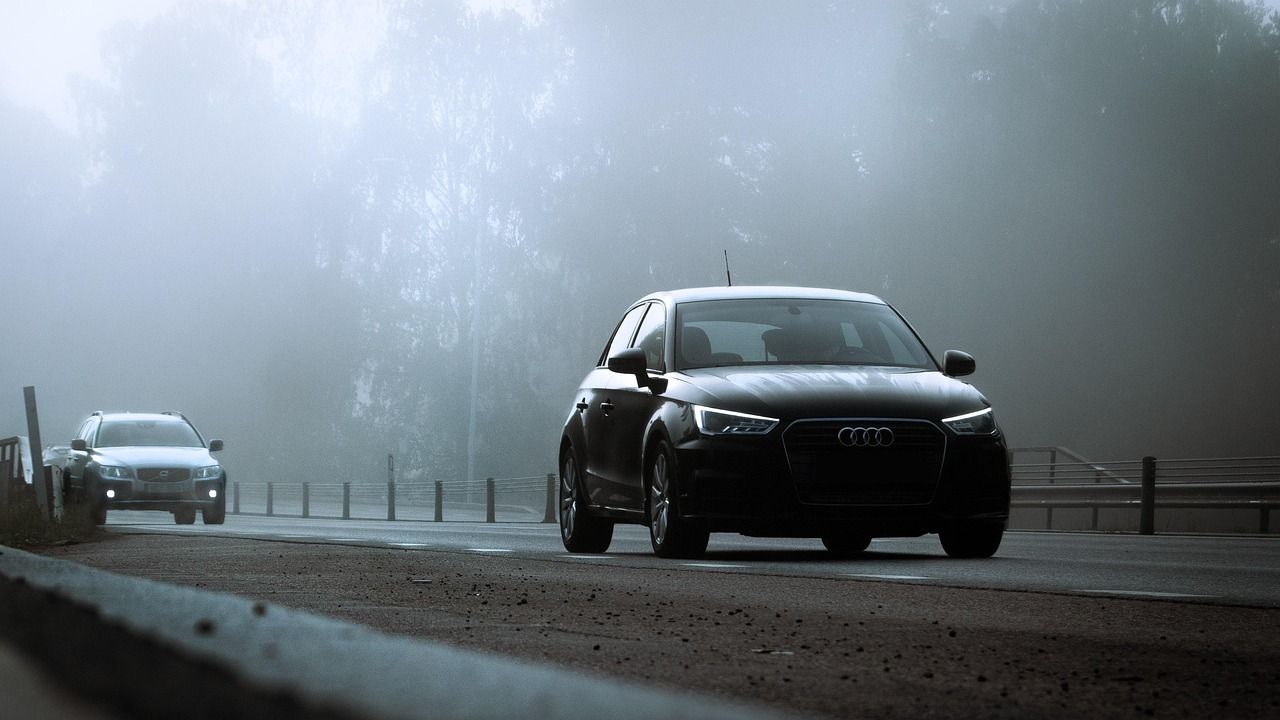
Understanding the Challenge of Fog on Indian Roads
Winter in India brings a unique set of challenges for commuters and travelers. Whether you are driving through the dense plains of Punjab, the bustling streets of Delhi-NCR, or the winding ghats of the Western Ghats, fog is a recurring phenomenon that demands respect and extreme caution. Navigating the fog is not just about having good headlights; it is about a shift in mindset, preparation, and understanding the science of visibility. In many parts of Northern and Eastern India, visibility can drop to less than five meters during peak winter months, turning a routine commute into a high-stakes challenge.
The Science of Why Fog is Dangerous
Fog is essentially a cloud that touches the ground. It consists of tiny water droplets suspended in the air. These droplets act like thousands of tiny mirrors, reflecting light back at the source. This is why using high-beam headlights is often counterproductive—the light bounces off the water droplets and creates a white wall of glare, further reducing your ability to see the road ahead. Learning how to navigate the fog requires understanding that your usual driving habits must change the moment the atmosphere thickens.
Essential Vehicle Preparation Before You Head Out
Before you even put your key in the ignition, your journey begins with a vehicle check. In the Indian context, where road conditions can be unpredictable, your car must be in top shape to handle low-visibility scenarios.
Check Your Lighting System
Ensure that all your lights are functioning. This includes your low beams, indicators, tail lights, and most importantly, your fog lamps. In India, many budget cars do not come with factory-fitted rear fog lamps; if yours doesn't, ensure your tail lights are bright and clean. Fog lamps are positioned lower on the car to cut underneath the fog layer, providing better illumination of the road surface without causing glare.
The Importance of a Clean Windshield
A dirty windshield will exacerbate the glare from oncoming traffic. Clean your windshield both inside and out. Use a good quality glass cleaner to remove the oily film that builds up over time. Additionally, ensure your wiper blades are in good condition and your washer fluid reservoir is full. Using the defroster is also vital to prevent internal fogging caused by the temperature difference between the warm cabin and the cold outside air.
Mastering the Art of Driving in Low Visibility
Once you are on the road, the way you drive determines your safety. Here are the core principles of how to navigate the fog effectively.
Slow Down and Manage Your Speed
This may seem obvious, but it is the most ignored rule. Speed is your greatest enemy in the fog. Because your vision is limited, your reaction time is significantly reduced. If an obstacle, a stray animal, or a slow-moving tractor appears suddenly, you need enough distance to stop safely. On major Indian highways like the Yamuna Expressway or NH44, pile-ups are common because drivers maintain high speeds despite the mist. Reduce your speed to a level where you feel in total control, even if it feels agonizingly slow.
Avoid the High-Beam Trap
Many drivers instinctively switch to high beams when they cannot see. As mentioned earlier, this is a mistake. High beams reflect off the fog and blind you. Stick to low beams. If your car is equipped with specialized fog lights, use them. They are designed to spread light wide and low, helping you see the edges of the road and lane markings.
Follow the Lane Markings
In the absence of a clear view of the horizon, use the road markings as your guide. Focus on the white line on the left side of the road (the shoulder) or the center line. This helps you stay within your lane and prevents you from drifting into oncoming traffic. In many rural parts of India, road markings might be faded; in such cases, use the edge of the pavement or the divider as a reference point.
The Hazard Light Debate
There is a common practice in India of driving with hazard lights (blinkers) on during fog. Safety experts generally advise against this. Hazard lights are meant to indicate a stationary vehicle or an emergency. If you drive with them on, other drivers might not be able to tell if you are moving or stopped. Moreover, you lose the ability to use your indicators to signal turns. Use your fog lights and tail lights to remain visible, and reserve hazard lights for when you are actually pulled over or in distress.
Psychological and Environmental Awareness
Navigating the fog is as much a mental game as it is a physical one. You must be hyper-aware of your surroundings.
Eliminate Distractions
Turn off the radio, put away your phone, and ask your passengers to keep the conversation to a minimum. You need your full concentration. Some drivers find it helpful to slightly roll down their windows. This allows you to hear the sound of oncoming engines or horns which you might not see yet. In India, where cyclists and pedestrians often travel without reflectors, your ears can be just as important as your eyes.
Maintain a Massive Following Distance
The three-second rule used in clear weather should be extended to at least six or eight seconds in the fog. Do not tail the vehicle in front of you. While it might feel comforting to follow someone else's tail lights, if they make a mistake or hit an obstacle, you will likely follow them into the accident. Give yourself space to breathe and react.
What to Do in Zero-Visibility Situations
Sometimes, the fog becomes so thick that it is impossible to see even a foot in front of the bonnet. This is often referred to as a 'white-out'.
Know When to Stop
If you cannot see the road markings or the vehicle ahead, do not try to 'push through'. The best course of action is to pull over. However, do not just stop on the shoulder of the highway, as other drivers might follow your tail lights and rear-end you. Find a safe spot away from the flow of traffic—a petrol pump, a dhaba, or a designated parking area. Once safely parked, turn off all your driving lights but keep your hazard lights on so others know you are stationary.
Stay Patient
Fog often lifts as the sun comes up and the temperature rises. If you are traveling through Northern India, plan your departures for later in the morning when the sun has had a chance to burn off the densest layers. It is better to arrive late than to not arrive at all.
Conclusion: Safety is a Choice
Navigating the fog requires a combination of technical knowledge, vehicle maintenance, and sheer patience. By understanding that the rules of the road change when visibility drops, you protect yourself, your family, and other road users. Whether you are navigating a daily commute in a foggy city or embarking on a long-distance winter road trip across the country, remember that speed and ego have no place in the mist. Stay alert, stay visible, and prioritize safety over reaching your destination quickly. The fog will eventually clear, but the choices you make while inside it define your journey.
Which lights are best for driving in fog?
Low-beam headlights combined with specialized fog lamps are the best choice. High beams should be avoided as they reflect off the water droplets in the fog, creating a glare that further reduces visibility.
Is it okay to use hazard lights while driving in the fog?
Generally, no. Hazard lights should be reserved for stationary vehicles or emergencies. Using them while moving can confuse other drivers and prevents you from using your turn signals effectively.
How can I prevent my windshield from fogging up from the inside?
Use your car's defroster setting and turn on the air conditioner to dehumidify the air. Switching to the 'fresh air' mode rather than 'recirculate' also helps balance the internal and external temperatures.
What should I do if visibility drops to zero while I am on the highway?
Pull over to a safe location well away from the moving traffic, such as a rest stop or a petrol station. If you must stop on the side of the road, move as far left as possible and keep your hazard lights on to alert others.


