

Introduction to the Pink City Experience
Planning a short getaway in India often leads to the same dilemma of choosing between a relaxing retreat and a culturally rich exploration. If you are looking for a destination that offers a seamless blend of royalty, history, vibrant street life, and mouth-watering cuisine, Jaipur is the answer. As the capital of Rajasthan, this city is more than just a collection of pink-hued buildings; it is an emotion that captures the essence of Indian heritage. Many travelers often wonder how to spend the perfect forty-eight hours in this majestic city without feeling overwhelmed by the crowds or the heat. This guide is designed to help you navigate the bustling lanes and grand palaces while ensuring you experience the true soul of the Pink City.
Jaipur is part of the famous Golden Triangle tourist circuit, yet it holds a unique charm that sets it apart from Delhi or Agra. Whether you are a solo traveler, a couple looking for a romantic backdrop, or a family wanting to dive into history, the city offers something for everyone. From the early morning chants at the Govind Dev Ji Temple to the golden sunsets at Nahargarh Fort, every moment spent here feels like a page out of a historical novel. In the following sections, we will break down exactly how to spend the perfect weekend, covering the must-visit landmarks, hidden gems, and the best places to satisfy your cravings for authentic Rajasthani food.
Day 1: Immersing Yourself in Royal History
Morning: The Grandeur of Amer Fort
Start your first day early to beat the crowds and the afternoon sun. Amer Fort, located about eleven kilometers from the main city, is the crown jewel of Jaipur. As you drive toward the fort, the sight of the massive sandstone walls reflected in Maota Lake is breathtaking. When considering how to spend the perfect morning, walking up the ramparts of Amer is a top priority. The fort is a masterpiece of Rajput architecture, featuring intricate marble work, mirrored ceilings in the Sheesh Mahal, and expansive courtyards like the Diwan-i-Aam.
Spend at least two to three hours exploring the different levels of the fort. Do not miss the Ganesh Pol, a beautifully painted gateway that leads to the private quarters of the Maharajas. After exploring Amer, make a quick stop at the nearby Panna Meena ka Kund. This ancient stepwell, with its symmetrical staircases, provides a fantastic opportunity for photography and a moment of quiet reflection before heading back toward the city center.
Afternoon: The Symbols of the Pink City
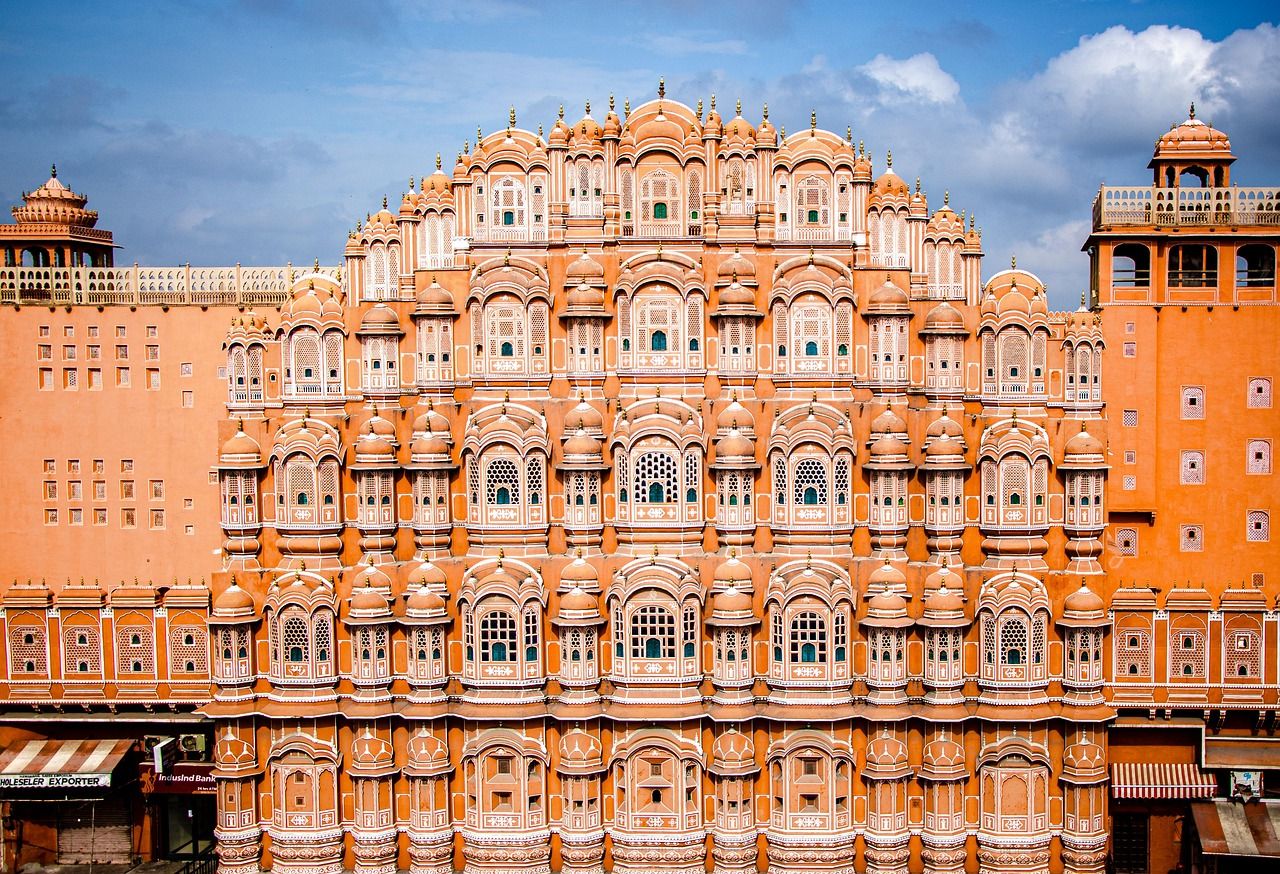
Head back toward the walled city and make a stop at Jal Mahal. While entry into the water palace is restricted, the view from the promenade is iconic. Following this, navigate the narrow streets to reach the Hawa Mahal, or the Palace of Winds. This five-story structure with its 953 small windows was designed for royal ladies to observe street festivities without being seen. It is a testament to the architectural ingenuity of the 18th century.
Just a short walk from Hawa Mahal lies the City Palace and Jantar Mantar. The City Palace is still a royal residence and houses museums showcasing royal costumes, weapons, and chariots. Right across is Jantar Mantar, a UNESCO World Heritage site featuring the worlds largest stone sundial. It is fascinating to see how ancient astronomers calculated time and predicted eclipses with such precision. This cluster of sites is essential for anyone figuring out how to spend the perfect afternoon learning about the scientific and cultural progress of Rajasthan.
Evening: Shopping and Gastronomy
No trip to Jaipur is complete without diving into its world-famous bazaars. Johari Bazaar is the place for traditional jewelry and gemstones, while Bapu Bazaar is famous for its textiles, Mojari footwear, and Bandhani fabrics. The atmosphere is electric, filled with the scent of street food and the vibrant colors of local crafts. This is where you can practice your bargaining skills and pick up authentic souvenirs.
For dinner, you have two distinct paths. If you want a rustic, traditional experience, head to Chokhi Dhani, an ethnic village resort on the outskirts that offers a cultural feast with folk dances, camel rides, and a massive Rajasthani Thali. If you prefer a more refined setting within the city, try a rooftop restaurant overlooking the lighted monuments. Sampling Laal Maas, a spicy mutton curry, or the vegetarian Ker Sangri is a mandatory part of how to spend the perfect evening in Jaipur.
Day 2: Fortified Views and Local Flavors
Morning: Serenity at Nahargarh and Jaigarh
On your second day, head uphill to Nahargarh Fort. Situated on the edge of the Aravalli Hills, this fort offers the most spectacular panoramic view of the entire Jaipur city. It was originally built as a retreat and a defensive barrier. Walking along the fort walls in the cool morning breeze is a refreshing experience. Adjacent to it is Jaigarh Fort, known as the Fort of Victory, which houses the Jaivana cannon, once the worlds largest cannon on wheels.
The connectivity between these forts allows you to understand the strategic military planning of the era. The rugged landscape and the sheer scale of the fortifications are awe-inspiring. If you are a morning person, reaching Nahargarh before sunrise is one of the best ways to experience the city waking up below you. It provides a sense of peace that is often hard to find in the busy markets below.
Afternoon: Artistic Inspiration and Culinary Delights
Descend from the forts and head to the Albert Hall Museum. This state-central museum is an architectural marvel in itself, blending Indo-Saracenic styles. Inside, you will find a vast collection of artifacts, including paintings, carpets, ivory, and even an Egyptian mummy. The surrounding Ram Niwas Garden is a great place to sit and watch the pigeons, a classic Jaipur sight.
Lunch on day two should be about the local street food favorites. Make your way to MI Road to visit the legendary Lassiwala. Served in earthen clay cups, the thick, creamy lassi is legendary. Follow this up with a visit to Rawat Mishtan Bhandar for their famous Pyaaz Kachori. These deep-fried, spicy onion-filled pastries are a staple for locals and tourists alike. Exploring the local food scene is a critical component of how to spend the perfect day for any food lover visiting the region.
Evening: The Modern Side of Jaipur
As your 48-hour journey nears its end, visit the Patrika Gate at Jawahar Circle. This beautifully painted gate serves as the entrance to a large park and has become a sensation for its vibrant murals representing different regions of Rajasthan. It is a modern tribute to the heritage of the state and offers a great backdrop for concluding your travel photos. It shows that Jaipur is not just about the past, but also about a colorful and evolving present.
Finish your trip with a quiet dinner at one of the city many heritage cafes. Many old havelis have been converted into boutique restaurants that offer a cozy, candlelit ambiance. Reflect on your journey through the forts, palaces, and markets. By now, you will have realized that figuring out how to spend the perfect weekend in Jaipur is about balancing the grand sights with the small, authentic moments that happen in the city winding lanes.
Practical Tips for Your Jaipur Visit
To ensure your trip goes smoothly, keep a few practicalities in mind. The best time to visit Jaipur is from October to March when the weather is pleasant enough for outdoor sightseeing. During the summer months, the heat can be intense, making afternoon excursions difficult. For transportation, using ride-sharing apps like Uber or Ola is very convenient and prevents the need for haggling with local rickshaw drivers. However, for short distances within the old city, a cycle rickshaw provides an authentic experience.
Wear comfortable walking shoes as you will be covering a lot of ground on foot, especially in the forts. Respect local customs by dressing modestly when visiting religious sites. Carrying a refillable water bottle and sun protection is also highly recommended. Jaipur is a safe city for tourists, but being aware of your surroundings in crowded markets is always a good practice. With these tips in mind, you are well-equipped to enjoy every second of your royal Rajasthani holiday.
Conclusion
Jaipur is a city that stays with you long after you have left its pink walls. It offers a unique rhythm where the ancient and the modern coexist in a colorful dance. Whether it was the golden hue of the Amer Fort at noon or the spicy kick of a kachori in the evening, your weekend will be filled with sensory delights. Learning how to spend the perfect time in such a historic location requires a mix of planning and spontaneity. By following this 48-hour itinerary, you have touched upon the highlights while leaving enough room to breathe and soak in the atmosphere. The Pink City is always waiting to welcome you back with its open gates and royal hospitality.
What is the best time of year to visit Jaipur?
The ideal time to visit Jaipur is during the winter season, specifically from October to March. During these months, the weather is cool and pleasant, making it perfect for exploring the forts and markets without the discomfort of the intense Rajasthan heat.
How can I get around the city easily?
Jaipur is well-connected by auto-rickshaws, cycle-rickshaws, and app-based cabs like Uber and Ola. For the old city area, walking or taking a rickshaw is best due to narrow lanes. For visiting forts like Amer or Nahargarh, hiring a cab for a half-day is more convenient.
Is two days enough to see all the major attractions?
While Jaipur has much to offer, two days are sufficient to see the primary highlights such as Amer Fort, City Palace, Hawa Mahal, and the major markets. This 48-hour itinerary is designed to maximize your time while ensuring a relaxed pace.
What are the must-try foods in Jaipur?
You should definitely try the Pyaaz Kachori at Rawat Mishtan Bhandar, the Lassi at Lassiwala on MI Road, and a traditional Rajasthani Thali. For non-vegetarians, the Laal Maas is a signature dish that should not be missed.


