

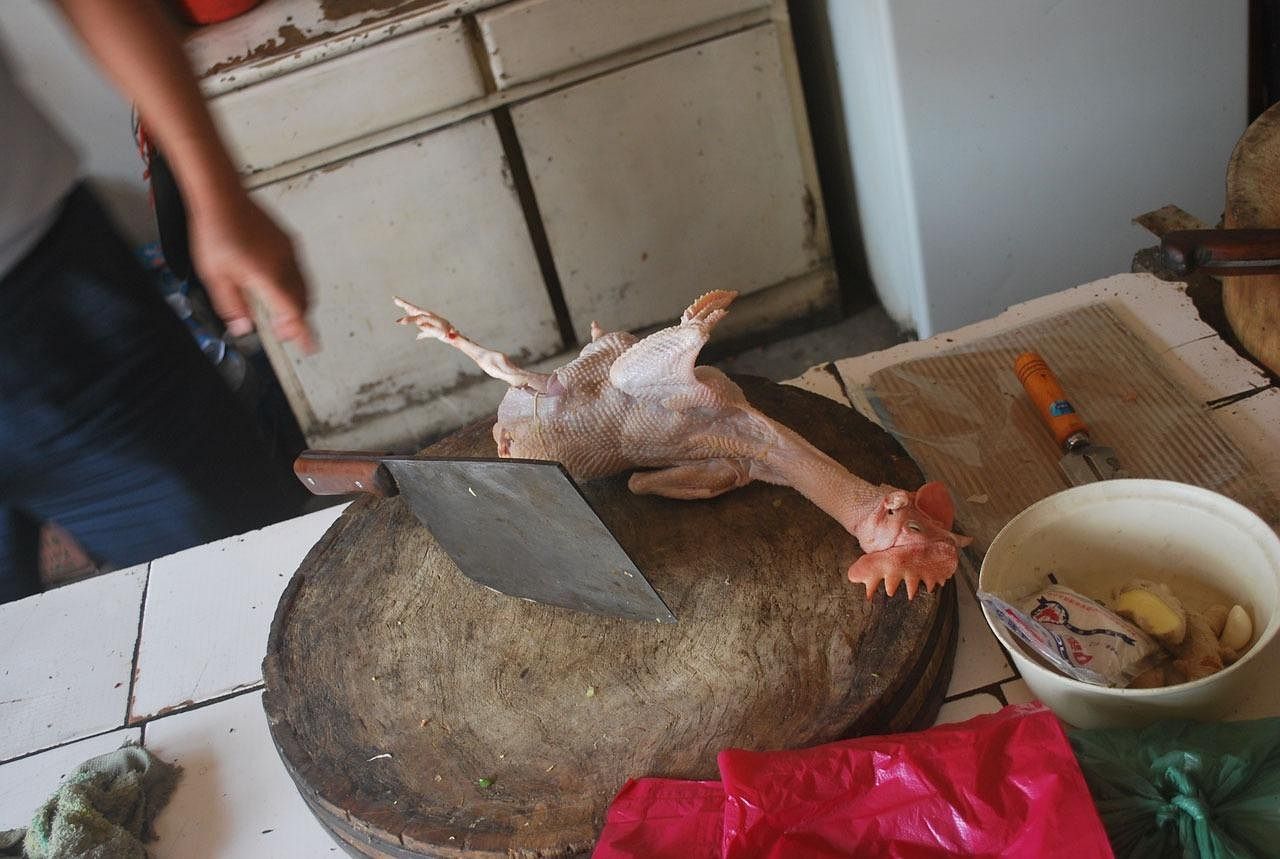
Mastering the Heavy Hitter of the Indian Kitchen
In the heart of every Indian kitchen, there is a variety of tools that help us create those rich, aromatic curries and vegetable stir-fries we love. While the humble paring knife and the standard chef’s knife get most of the daily work, there is one tool that often looks intimidating but is absolutely essential for heavy-duty tasks: the clever. If you have ever wondered how to use a clever to tackle a whole chicken or a stubborn piece of mutton, you are in the right place.
A clever, often referred to as a meat cleaver, is a large, rectangular knife that is characterized by its thick blade and significant weight. Unlike a thin slicing knife, the clever is designed to use its momentum to cut through bone and tough vegetable fibers without chipping. For Indian households where we often buy meat on the bone or prepare large vegetables like pumpkin and jackfruit, learning how to use a clever can change your kitchen game forever.
Why Every Indian Kitchen Needs a Clever
In many Indian homes, the traditional boti (a curved blade fixed to a wooden base) was the go-to tool for heavy chopping. However, as modern kitchens evolve, the clever has become a more practical and space-saving alternative. Here is why you should consider making it your primary tool for heavy prep work.
Breaking Down Meat with Ease
Whether you are preparing a classic Mutton Rogan Josh or a simple Chicken Curry, you often need to cut through bone. Using a standard kitchen knife for this can be dangerous as the blade might slip or even snap. The clever is built for this. Its weight allows you to chop through joints and small bones with a single, clean strike, ensuring that you do not leave bone shards in your gravy.
Tackling Hard Vegetables
Indian cuisine uses a lot of hard-skinned vegetables. Think of the large pumpkins used in sambar, the thick skin of a jackfruit (kathal), or even the tough base of a cabbage. A clever makes light work of these. Instead of struggling and applying dangerous amounts of pressure with a small knife, the clever’s weight does the work for you.
The Power of the Flat Side
One of the most overlooked aspects of how to use a clever is using the flat side of the blade. In Indian cooking, we use a lot of crushed ginger and garlic. The wide surface area of a clever blade is perfect for smashing these ingredients instantly, releasing their essential oils far more effectively than fine chopping would.
Choosing the Right Clever for Your Hands
Before we dive into the technique, it is important to ensure you have the right tool. Not all clevers are created equal. For an Indian kitchen, you want a blade that is heavy enough to provide momentum but balanced enough so that it does not strain your wrist.
- Blade Material: Look for high-carbon stainless steel. It stays sharp longer and is resistant to the humidity and spices found in our kitchens.
- The Handle: Since Indian cooking often involves water and oil, choose a handle with a non-slip grip. Traditionally, wooden handles are popular, but modern ergonomic plastic or textured steel handles provide better safety.
- Weight: Pick up the knife. It should feel significantly heavier than your chef’s knife. If it feels too light, it will not have the power needed to cut through bone.
Safety First: Preparing Your Workspace
Learning how to use a clever safely starts with your environment. Because you will be using a swinging motion, you need stability.
First, ensure your cutting board is heavy and does not slide. A thick wooden block is ideal for a clever. If your board is light, place a damp kitchen towel underneath it to lock it in place. Second, clear your workspace. You do not want any jars of spices or loose utensils near your chopping area that could be struck by the large blade.
How to Use a Clever: The Proper Grip
The biggest mistake beginners make is holding a clever like a hammer. If you wrap all your fingers around the handle and squeeze tight, you lose control and tire your arm quickly. Instead, use the pinch grip.
To do this, place your thumb on one side of the blade (just above the handle) and your index finger on the other side. Wrap your remaining three fingers around the handle. This grip gives you incredible precision. It allows you to guide the heavy blade rather than just swinging it wildly. When you are chopping, your wrist should stay relatively firm, and the movement should come from your elbow and shoulder.
Step-by-Step: Cutting Through Bone and Hard Veggies
When you are ready to make your first cut, remember: let the knife do the work. Here is the process for a clean, safe cut.
1. Position the Material
Place your meat or vegetable on the center of the board. Ensure it is as stable as possible. If you are cutting a round vegetable like a pumpkin, slice a small piece off the bottom first to create a flat surface.
2. The Vertical Chop
Lift the clever by bending at the elbow. Aim for the spot you want to cut. As you bring the knife down, do not use excessive force. Instead, focus on a smooth, swift motion. The weight of the blade will carry it through the bone. If the knife gets stuck, do not try to wiggle it out sideways. Lift the knife and the meat together and bring them down again firmly on the board.
3. The Claw Hand
Always keep your non-cutting hand in the "claw" position. Tuck your fingertips inward and use your knuckles to guide the side of the blade. This ensures that even if the knife slips, it hits your knuckles rather than your fingertips.
Using the Clever for Finer Tasks
While it is a beast at chopping, you can also learn how to use a clever for more delicate tasks. For example, when dicing onions or potatoes for a dry sabzi, you can use a rocking motion. Keep the front tip of the clever on the board and move the handle up and down, sliding the vegetable toward the blade. Its height also makes it a great spatula; you can easily slide the wide blade under your chopped ingredients to transport them to the kadai.
Maintenance and Care for Longevity
In India, the humid climate and the use of acidic ingredients like tomatoes and tamarind can take a toll on your knives. To keep your clever in top shape, follow these rules:
- Hand Wash Only: Never put your clever in a dishwasher. The harsh detergents and high heat will dull the blade and damage the handle. Wash it with mild soap and dry it immediately with a soft cloth to prevent rust spots.
- Regular Sharpening: A dull clever is more dangerous than a sharp one because it requires more force to use. Use a sharpening stone or a professional service once every few months depending on your usage.
- Storage: Do not throw your clever into a drawer with other metal utensils. This will nick the edge. Use a magnetic strip or a knife block to protect the blade.
Common Mistakes to Avoid
Many people find the clever intimidating, which leads to mistakes. Avoid these three common pitfalls:
Hesitation: If you swing the knife half-heartedly, it is more likely to get stuck or bounce off the bone. Be confident in your strike.
Over-swinging: You do not need to bring the knife over your head like an axe. A short, controlled lift of 6 to 8 inches is usually enough to generate the necessary power.
Using the wrong part of the blade: Use the middle or the heel (the part closest to the handle) for heavy chopping. The front tip is better for more precise slicing or scoring meat.
Conclusion
Learning how to use a clever is a rite of passage for any serious home cook in India. It is a tool that represents power and efficiency in the kitchen. Once you get over the initial hesitation and master the pinch grip and the controlled chop, you will find yourself reaching for it more often than any other knife. From prepping a Sunday mutton feast to smashing garlic for a quick tadka, the clever is truly the unsung hero of the Indian culinary world. Treat it with respect, keep it sharp, and it will serve you for a lifetime.
Is a clever better than a chef knife for Indian cooking?
For tasks like cutting through bone-in chicken or mutton and chopping large, hard vegetables like pumpkin, a clever is much better and safer than a chef knife because its weight provides the necessary force without damaging the blade.
Can I use a clever to slice ginger and garlic?
Yes! While it is a heavy tool, the wide blade is excellent for smashing ginger and garlic to release flavor, and with practice, you can use the weight of the blade to create very thin slices or a fine mince.
How do I stop my clever from rusting in a humid kitchen?
To prevent rust, always wash your clever by hand immediately after use and dry it thoroughly with a towel. For extra protection in humid climates, you can apply a tiny drop of food-grade mineral oil to the blade before storing it.
What should I do if the clever gets stuck in a bone?
Do not try to twist or wiggle the blade as this can chip the metal. Instead, lift the clever along with the meat and bring both down firmly on the cutting board again to complete the cut.


