

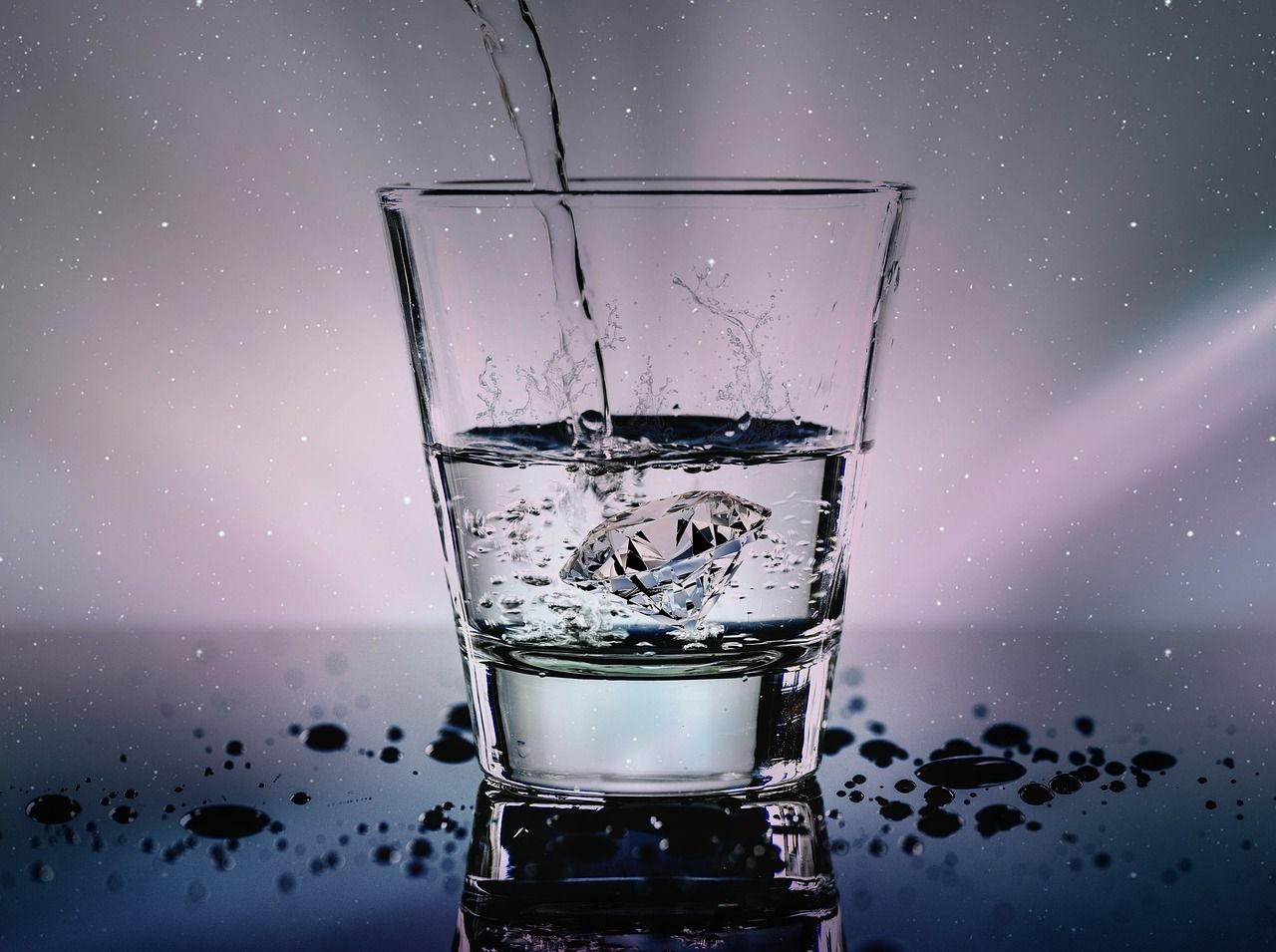
Bringing Back the Sparkle: Why Your Diamonds Need Regular Care
Diamonds are often considered the ultimate symbol of endurance and beauty. In India, a diamond is rarely just a piece of stone; it is an heirloom, a part of a wedding trousseau, or a milestone gift that carries immense emotional and financial value. However, despite being the hardest natural substance on Earth, diamonds are magnets for grease and oil. Whether it is a pair of daily-wear studs, a precious engagement ring, or a heavy necklace worn during the festive season, diamonds lose their luster over time.
The science behind this is simple: diamonds are lipophilic, meaning they naturally attract oils. Every time you touch your diamond, the natural oils from your skin transfer to the stone. In the Indian context, this is exacerbated by our climate and lifestyle. Humidity leads to sweat, and our rich culinary habits involve spices like turmeric and oils that can easily find their way onto your rings and bangles. Over time, these layers of oil, lotion, dust, and grime form a film on the surface of the diamond, blocking light from entering and reflecting, which results in a dull, cloudy appearance. Learning how to clean a diamond at home is essential for any jewelry lover who wants to maintain that showroom-level brilliance without visiting a jeweler every month.
The Best Method for Cleaning Diamonds at Home
The safest and most effective way to clean a diamond, regardless of its cut or size, is using simple household items. You do not need expensive specialized chemicals to get the job done. In fact, many professional jewelers recommend a gentle approach to protect both the stone and the metal setting.
The Tools You Will Need
Before you begin, gather the following items. Most of these are already available in your Indian kitchen or bathroom:
- A small bowl of warm (not boiling) water.
- A mild dishwashing liquid (brands like Vim or Pril work perfectly).
- A soft-bristled toothbrush (preferably a new one or one dedicated only to jewelry).
- A lint-free microfiber cloth or a soft cotton ‘mulmul’ cloth.
- A sieve or a strainer (to prevent the jewelry from falling down the drain).
Step 1: The Soaking Process
Start by filling your small bowl with warm water and adding a few drops of the mild dishwashing liquid. Stir the solution until it becomes slightly soapy. Place your diamond jewelry into the bowl and let it soak for 20 to 40 minutes. This soaking period is crucial because it allows the soap to break down the hardened layers of oils, lotions, and dust that have accumulated in the hard-to-reach areas of the setting.
Step 2: Gentle Brushing
Once the soak is complete, take the jewelry out. Use the soft-bristled toothbrush to gently scrub the diamond. Pay special attention to the back of the stone and the crevices of the setting, as this is where most of the grime collects. In Indian jewelry designs, such as complex prong settings or elaborate gold work, dirt often hides underneath the stone. Use very light pressure; the goal is to agitate the dirt, not to scrub the metal vigorously. Avoid using old, hard toothbrushes as they can scratch the gold or platinum setting over time.
Step 3: The Final Rinse
After brushing, rinse the piece under warm running water. A critical tip for Indian households: always place your jewelry in a strainer while rinsing over a sink. Many precious stones have been lost down the drain during the rinsing process. Ensure all the soap residue is washed away, as any leftover soap will create a new film that attracts dust even faster.
Step 4: Drying and Polishing
Pat the jewelry dry with a lint-free cloth. Avoid using paper towels or tissues, as these can leave behind tiny fibers or even cause micro-scratches on the metal. If you have the time, let the piece air dry completely before storing it away or wearing it. This ensures no moisture is trapped in the setting, which could potentially weaken the metal or cause skin irritation.
What to Avoid When Cleaning Diamonds
While diamonds are tough, the chemicals we use in our homes can be very damaging. Many people make the mistake of using harsh ingredients in an attempt to get a better shine, only to end up damaging their precious ornaments.
- Avoid Chlorine and Bleach: These chemicals can actually break down the alloys used in gold and platinum settings. If you are cleaning your house or swimming in a chlorinated pool, always remove your diamond rings.
- Say No to Abrasives: Never use toothpaste, baking soda, or powdered cleansers. These contain tiny abrasive particles that are harmless to teeth but can scratch the surface of the gold, silver, or platinum holding your diamond.
- Skip the Boiling Water: While warm water is good, boiling water can be dangerous. Sudden temperature changes can cause some diamonds with internal inclusions to crack or cause certain metals to expand and loosen the stones.
- Ultrasound Caution: While ultrasonic cleaners are popular, they are not always safe for home use. The vibrations can loosen the stones in their settings. If your jewelry has many small 'pave' set diamonds, an ultrasonic cleaner might vibrate them right out of their spots.
Special Considerations for Indian Jewelry
Indian jewelry often involves more than just diamonds. You might have pieces that combine diamonds with pearls, emeralds, or kundan work. These require extra care.
Diamonds with Pearls and Emeralds
If your diamond necklace also features pearls or emeralds, do not soak the entire piece. Pearls are organic and very sensitive to soap and water, while emeralds are often treated with oils that can be stripped away by dish soap. In these cases, it is better to use a damp cloth to clean only the diamond parts, avoiding the other stones entirely.
Traditional Polki and Kundan Settings
Polki (uncut diamonds) and Kundan jewelry are constructed using gold foil and wax. These pieces should never be submerged in water. Moisture can seep into the foil, causing it to darken or turn black, which ruins the look of the piece. For Polki, use a dry, soft cloth or a very slightly damp Q-tip to clean the surface of the stones only.
How Often Should You Clean Your Diamonds?
For items you wear every day, like an engagement ring or nose pin, a quick weekly cleaning is ideal to prevent the buildup of oils. For jewelry that you wear only on special occasions like weddings or Diwali, cleaning them once before you wear them and once before you store them back in your locker is a good practice. Regular maintenance ensures that the dirt never becomes 'baked on,' making the cleaning process much easier each time.
When to Visit a Professional Jeweler
While home cleaning is great for maintenance, it does not replace a professional check-up. Once a year, you should take your important diamond pieces to a trusted jeweler in your city. A professional can use industrial-grade steam cleaners and, more importantly, they can inspect the prongs. Over time, the metal claws holding your diamond can wear down or get snagged on clothes, becoming loose. A jeweler can tighten these settings to ensure your diamond stays safely where it belongs.
Storing Your Diamonds Properly
After you have spent the time cleaning your diamonds, how you store them is just as important. Diamonds are the hardest substance, which means they can scratch everything else—including other diamonds. In India, we often keep all our jewelry in one large box. This is a mistake. Always store your diamond pieces in individual soft cloth pouches or separate compartments in a jewelry box. This prevents them from rubbing against each other and maintains the polish of the metal settings.
Conclusion
A diamond is meant to sparkle, reflecting the light and joy of the person wearing it. By following this simple home cleaning routine, you can ensure that your jewelry remains as radiant as the day you first bought it. Remember, consistency is key. A few minutes of care every week with simple soap and water can save you from the dullness of neglected stones. Treat your diamonds with the respect they deserve, and they will continue to shine for generations to come.
How often should I clean my diamond ring if I wear it daily?
For daily wear jewelry, it is recommended to clean it once a week. This prevents the accumulation of skin oils, lotions, and household dust that can make the stone look cloudy.
Can I use lemon juice or vinegar to clean my diamond?
It is best to avoid acidic substances like lemon juice or vinegar. While they might remove some grime, the acidity can be harsh on the metal settings, especially if the jewelry is made of lower karat gold or silver.
Is it safe to use a hair dryer to dry my diamond jewelry?
No, it is better to let your jewelry air dry or use a lint-free cloth. The high heat from a hair dryer can sometimes cause the metal to expand or affect the setting, and it may also leave water spots if not done carefully.
What is the best way to clean diamond earrings?
Diamond earrings can be cleaned using the same warm water and dish soap method. Since earrings often collect hairspray and skin cells, soaking them for a full 40 minutes is highly effective for loosening debris.
Why does my diamond still look cloudy after cleaning?
If a diamond remains cloudy after a thorough cleaning, the dirt might be trapped deep within the setting where a brush cannot reach, or the stone may have internal inclusions. In this case, a professional deep clean or inspection by a jeweler is necessary.


