

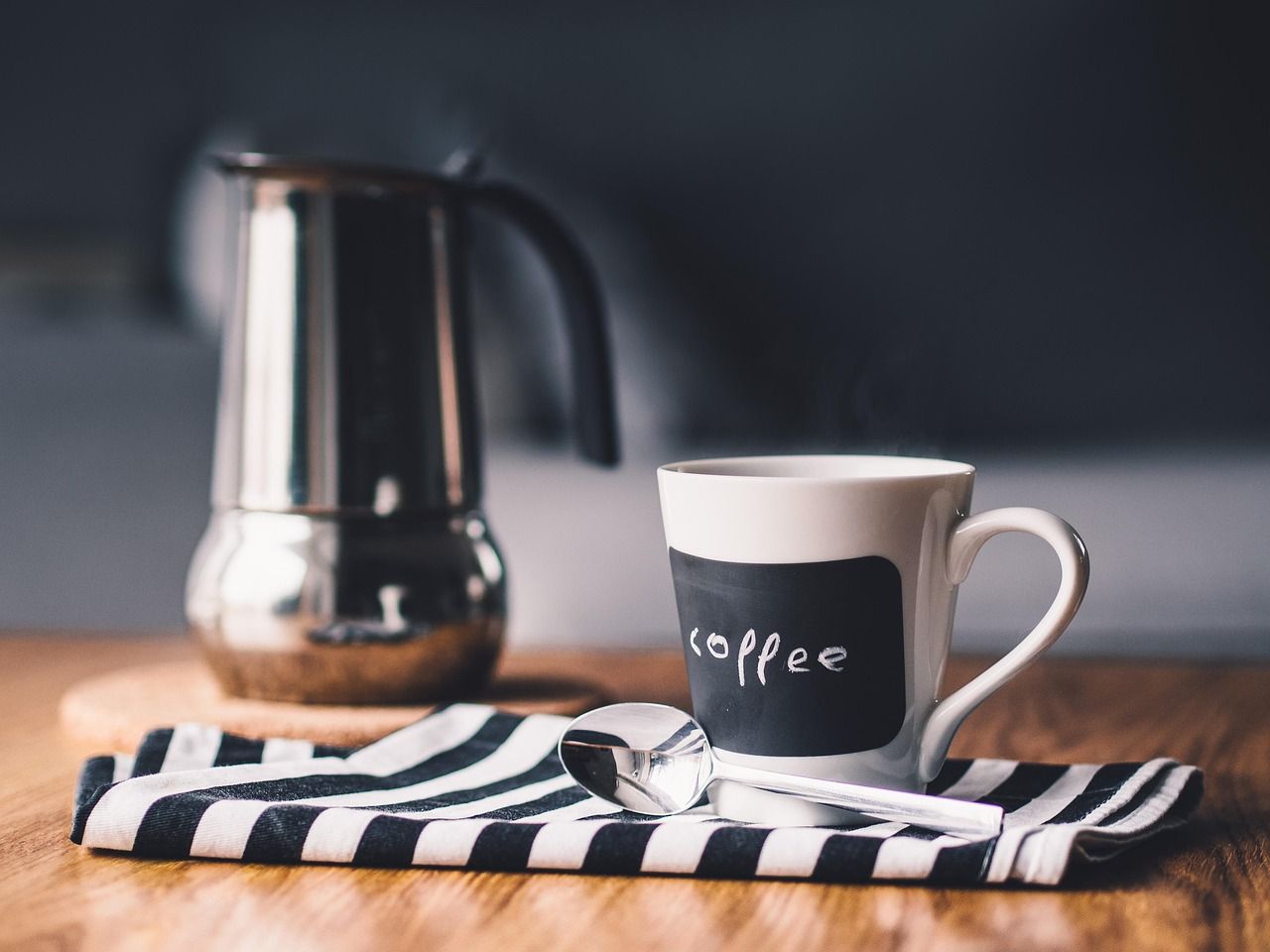
Mastering the Art of Home Brewing
For many of us in India, the day does not truly begin until the aroma of coffee wafts through the kitchen. Whether it is the nostalgia of a stainless steel tumbler of filter coffee or the modern craving for a frothy cappuccino from a high-end cafe, coffee is more than just a drink; it is an emotion. However, there is often a gap between the coffee we drink at a professional outlet and the one we stir up in our kitchens. You might find yourself wondering how to make coffee like a professional barista without spending a fortune on expensive machinery.
The good news is that achieving that cafe-quality taste is entirely possible at home. It does not require a thousand-dollar espresso machine or a degree in culinary arts. It requires an understanding of the beans, the temperature of the water, and the specific techniques that bring out the best flavors. In this guide, we will explore various ways to elevate your home coffee game, tailored specifically for the Indian palate and kitchen setup.
The Secret Starts with the Beans
If you want to know how to make coffee like the pros, you have to look at your base ingredient. In India, we have access to some of the finest coffee estates in the world, particularly from the hills of Karnataka, Kerala, and Tamil Nadu. Most supermarket instant coffees are convenient, but they lack the depth of freshly roasted beans.
Arabica vs. Robusta
Understanding the difference is crucial. Arabica beans are generally sweeter and more acidic with complex flavor notes like fruit or chocolate. Robusta is stronger, more bitter, and has more caffeine. Most Indian cafe blends use a mix. If you like your coffee smooth, look for 100 percent Arabica. If you prefer that traditional, punchy Indian kick, a 70-30 Arabica-Robusta blend is often the sweet spot.
The Grind Size Matters
One of the biggest mistakes home brewers make is using the wrong grind for their method. If you are using a South Indian filter, you need a fine to medium grind. For a French press, you need a coarse grind. If the grind is too fine for your method, the coffee will be over-extracted and bitter. If it is too coarse, it will be watery and sour.
How to Make Coffee Like a South Indian Grandmother
Nothing beats the authenticity of a traditional South Indian Filter Coffee. To make coffee like a pro in this style, you need the right equipment: a stainless steel or brass coffee filter. This two-tiered device uses gravity to create a thick, potent decoction.
The Process of Decoction
Place three to four tablespoons of coffee powder (preferably with 20 to 30 percent chicory) into the upper chamber. Press it down gently with the tamper. Pour boiling water over it and close the lid. Let it sit for at least 15 to 20 minutes. The liquid that drips into the bottom chamber is the decoction. To serve, mix about 20ml of this decoction with hot, frothy, full-cream milk and sugar to taste. The key to the cafe-style froth is the 'fatharing' process—pouring the coffee back and forth between a tumbler and a dabara from a height.
How to Make Coffee Like a Barista (The Cappuccino Hack)
Many people want to know how to make coffee like a barista, specifically those frothy, layered drinks. You do not need a steam wand to get that velvety microfoam at home. One of the best tools for this is actually a French Press, which is widely available in India online and in retail stores.
The French Press Frothing Technique
Prepare your coffee concentrate using instant coffee or a concentrated brew. In a separate container, heat your milk but do not let it boil. Pour the warm milk into a French press. Move the plunger up and down rapidly for about 20 to 30 seconds. You will see the milk double in volume, becoming thick and creamy. Pour this over your coffee base, and you have a cafe-style latte or cappuccino right in your kitchen. This method creates a much better texture than those small battery-operated frothers.
The Nostalgic Phenti Hui Coffee (Beaten Coffee)
Before international chains arrived in India, we had our own version of a cappuccino: the hand-beaten coffee. If you want to know how to make coffee like the street vendors or the classic Indian household, this is the method for you. It relies on aeration and caramelization of sugar.
The Whipping Method
In a cup, add two teaspoons of instant coffee and two teaspoons of sugar. Add just a few drops of hot water—just enough to dampen the mixture. Now, use a spoon to beat this mixture vigorously in a circular motion. As you incorporate air, the dark paste will turn into a light, tan-colored froth. This takes about five minutes of hard work, but the result is a thick, creamy base. Pour hot, boiling milk over this froth while stirring gently. The result is a nostalgic, thick, and satisfying cup of coffee that rivals any modern cafe.
How to Make Coffee Like a Cold Brew Expert
With Indian summers getting hotter, cold brew has become a staple in urban cafes. Making it at home is incredibly simple and much cheaper. Cold brew is less acidic than hot coffee and has a natural sweetness.
The Overnight Steep
Take coarsely ground coffee beans and mix them with room-temperature water in a glass jar. The ratio should be roughly 1:5 (one part coffee to five parts water). Stir it once, cover the jar, and let it sit on your kitchen counter or in the fridge for 16 to 24 hours. Strain it using a fine cloth or a paper filter. This concentrate can stay in your fridge for up to a week. To serve, dilute it with water or milk and add ice. This is exactly how high-end cafes prepare those expensive bottles of cold brew.
Important Variables for the Perfect Cup
To truly understand how to make coffee like an expert, you must pay attention to the variables that usually go unnoticed. These small changes make the difference between an average cup and an extraordinary one.
- Water Quality: Since coffee is 98 percent water, using tap water with high chlorine or mineral content will ruin the taste. Always use filtered or bottled water for brewing.
- Water Temperature: Never pour boiling water directly onto coffee grounds. This burns the coffee and creates a charred taste. Let the water sit for a minute after boiling to reach the ideal temperature of 90 to 95 degrees Celsius.
- Milk Selection: In India, we love our milk-based coffees. For the best texture, use full-fat milk. The proteins and fats in the milk are what allow it to hold bubbles and create that creamy mouthfeel.
- Cleanliness: Any residue from yesterday’s brew in your filter or French press will add a rancid flavor to your fresh cup. Deep clean your equipment regularly.
The Finishing Touches
A big part of why cafe coffee feels special is the presentation. To make your home coffee feel like a treat, invest in good glassware or ceramic mugs. Sprinkle a bit of cocoa powder or cinnamon on top of your froth. Serve it with a small biscuit or a piece of dark chocolate. These small rituals elevate the experience from a caffeine fix to a moment of luxury.
Conclusion
Learning how to make coffee like a professional is a journey of experimentation. You might fail a few times, the milk might not froth perfectly, or the decoction might be too thin. But that is the beauty of brewing at home. You can adjust the strength, the sweetness, and the creaminess exactly to your liking. By following these techniques—whether it is the traditional South Indian method, the beaten coffee style, or using a French press—you can transform your daily ritual into something truly special. Stop settling for mediocre cups and start brewing with intention. Your perfect cup of coffee is just a few steps away.
Which coffee powder is best for cafe-style coffee in India?
For a traditional taste, brands like Cothas or Narasu’s are great. For modern cafe styles like Lattes or Americanos, look for artisanal roasters like Blue Tokai, Sleepy Owl, or Third Wave Coffee Roasters, as they provide freshly roasted beans and various grind sizes.
Can I make cafe-style coffee without a machine?
Yes, you can use a French press for frothing milk and a South Indian filter for a strong base. Even a simple spoon and a cup can be used to make hand-beaten coffee which creates a very thick and creamy texture similar to a cappuccino.
What is the secret to making coffee less bitter?
The main causes of bitterness are using boiling water, over-extracting the grounds, or using low-quality Robusta beans. Ensure your water is around 90 degrees Celsius and use a coarser grind if you are brewing for a longer period.
How do I get thick froth at home?
The most effective way is using a French Press to pump air into warm milk. Alternatively, you can use a hand-held battery frother or the traditional Indian method of pouring the coffee between two containers from a height to create natural aeration.


